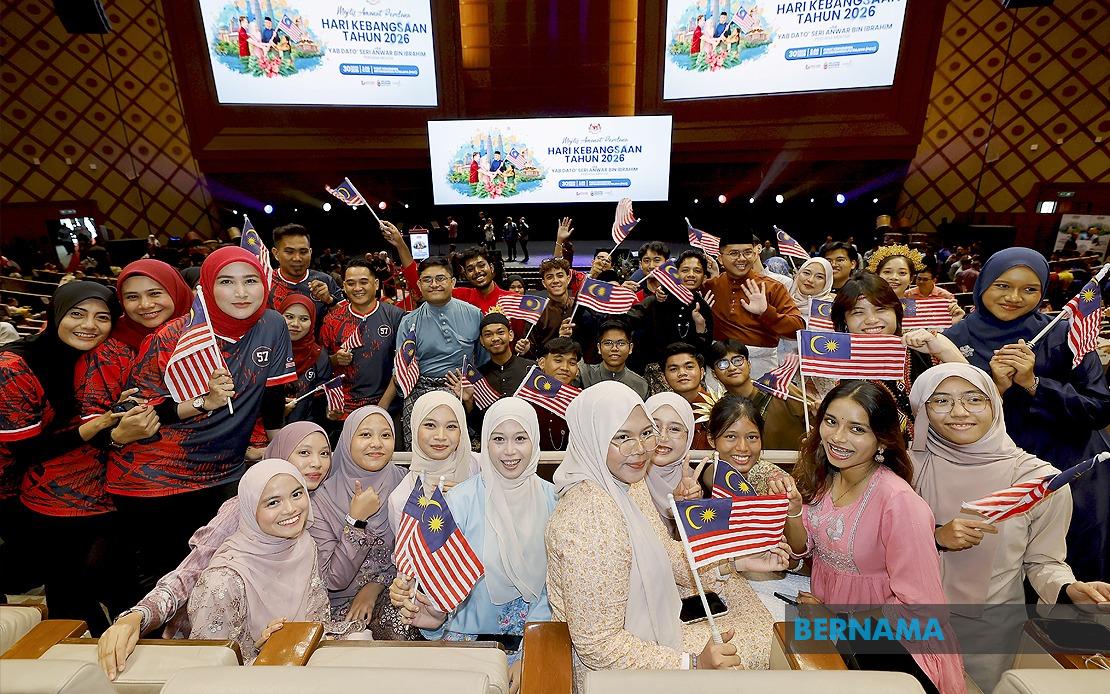
Prime Minister Datuk Seri Anwar Ibrahim has rolled out six targeted government measures during his National Day address, signalling a multi-pronged approach to supporting Malaysia's working population across income levels and sectors. The announcements, delivered at the Putrajaya International Convention Centre, reflect an administration focused on easing cost-of-living pressures while investing in future-ready skills and infrastructure.
At the centre of the measures is a restoration of fuel subsidy relief, with the BUDI MADANI RON95 (BUDI95) programme reverting to 300 litres per month—up from the 200-litre monthly cap that had been in place. For vehicle-dependent workers, particularly those in the M40 middle-income bracket, this adjustment addresses a recurring financial pressure. Commuters who travel long distances for work or families managing multiple vehicle needs stand to benefit materially, removing a source of monthly budgetary stress. The decision reflects recognition that transport costs remain a significant household expense across Malaysian society, and that restoration of subsidy generosity carries political and economic weight in maintaining living standards.
The government has also increased the Budi Diesel quota from 300 litres to 400 litres per month, extending similar relief to commercial drivers, logistics operators, and small business owners whose operations depend on diesel-powered vehicles. This dual approach to fuel subsidies acknowledges that private motorists and commercial stakeholders face distinct cost structures and travel demands, warranting differentiated support.
A second pillar of the initiative centres on artificial intelligence accessibility for young professionals. The government will provide free three-month subscriptions to three AI applications for 100,000 youths aged 18 to 30 who successfully complete modules under the AI for the People programme. Young Malaysian employees recognize that AI proficiency has become essential for workplace competitiveness. As one accounts assistant observed, AI tools already streamline daily work tasks and learning processes, and subsidized access removes barriers to skill development among early-career professionals. This initiative positions younger Malaysians to harness generative AI technologies without bearing initial subscription costs, supporting workforce modernization at a critical juncture when digital literacy gaps can determine career trajectories.
Educational infrastructure receives a significant boost through a 50 per cent increase in school maintenance funding for 2027, reaching RM1.5 billion. This expansion addresses accumulated facility backlogs affecting teaching quality and student environments nationwide. Beyond immediate repairs and upkeep, enhanced maintenance budgets signal long-term commitment to standardizing educational infrastructure across urban and rural schools, a persistent challenge for Malaysia's education system.
Small business and informal economy operators benefit from the RM200 million Geran Sejahtera MADANI grant scheme, which targets hawkers, night market traders, and mothers operating home-based enterprises. This funding stream acknowledges the substantial economic contribution of informal and semi-formal sectors that employ millions of Malaysians but often lack access to conventional business financing. Direct grants reduce dependence on debt-based growth models and provide working capital for inventory, equipment, or expansion.
Microfinancing capacity expands significantly, with an additional RM1 billion in facilities bringing total 2026 funding to RM6 billion. Increased microfinance availability benefits underbanked entrepreneurs and small-scale business owners seeking capital without navigating traditional banking requirements or collateral barriers. This expansion is particularly relevant for Southeast Asian economies like Malaysia where microenterprises constitute substantial employment sources yet remain constrained by capital availability.
Small to medium enterprises receive regulatory relief through a raise in the e-Invoice exemption threshold from RM1 million to RM3 million in annual turnover. This adjustment reduces compliance administrative burdens for businesses below the new threshold, freeing resources for operational growth rather than tax technology implementation. The measure reflects pragmatic recognition that overly stringent digital compliance requirements can impede smaller businesses' competitiveness and growth potential.
Collectively, the six measures target interconnected constituencies: fuel subsidies reach commuters and commercial operators; AI training develops youth employability; school funding improves educational quality infrastructure; grants and microfinance support informal and small entrepreneurs; and regulatory adjustments ease operational constraints. The breadth suggests an administration attempting to address cost-of-living concerns across multiple fronts rather than concentrating benefits narrowly.
However, the sustainability and long-term fiscal implications of expanded subsidies and increased spending remain pertinent questions. Fuel subsidy increases carry recurring budget costs, while funding expansion across education, microfinance, and grants compounds budgetary pressures. Malaysian policymakers must balance immediate relief provision with medium-term fiscal discipline, particularly given debt servicing obligations and competing development priorities.
The measures also reveal administrative intent to preserve competitiveness for Malaysian businesses and workers within an increasingly AI-driven global economy. Youth training initiatives and SME financing expansions position Malaysia to develop human capital and entrepreneurial capacity in alignment with digital transformation trends affecting regional and global markets. For Malaysian readers and regional observers, these initiatives demonstrate attempts to combine traditional social safety nets with future-focused investments in technology and skills.
Ultimately, the success of these measures will depend on effective implementation, adequate funding disbursement, and whether announced allocations translate into tangible relief and opportunity for intended beneficiaries. Early feedback from young professionals and middle-income earners suggests receptiveness, but sustained impact requires monitoring uptake rates, programme accessibility, and measurable outcomes across all six initiatives.

