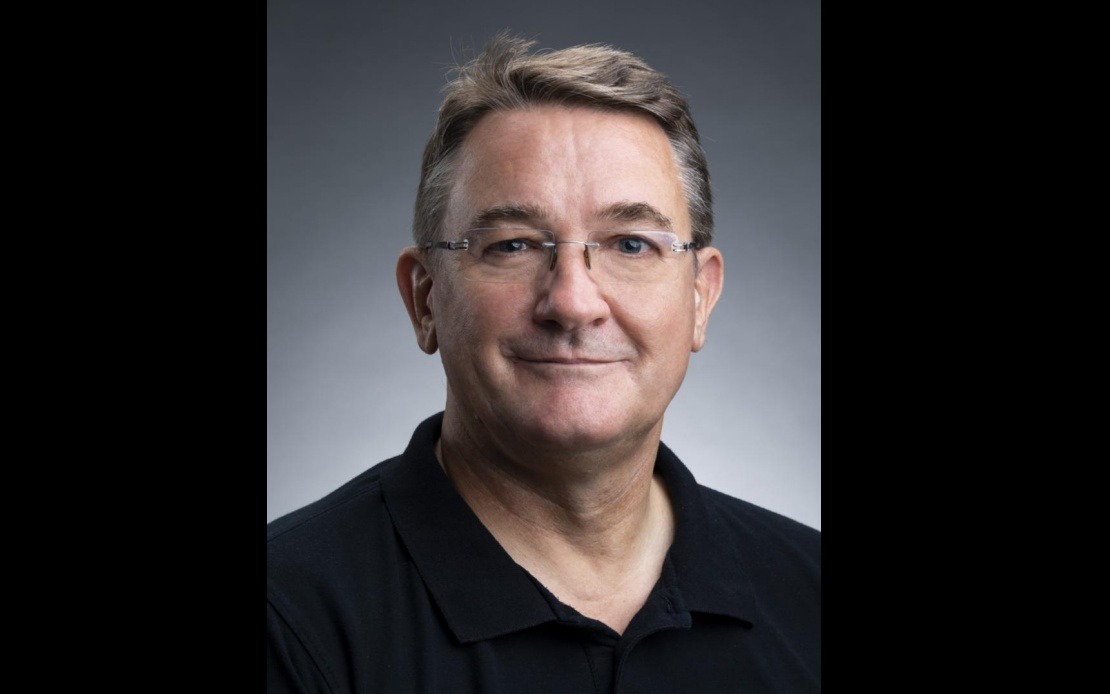
Dr David Lacey, chairman of the Semiconductor Fabrication Association of Malaysia (SFAM), has been appointed as the new British Honorary Consul in Penang, taking over from Datuk Robert Hawkins who stepped down following 20 years in the position. The 60-year-old appointment marks a significant development in Britain's diplomatic representation in Malaysia's northern region, particularly as the two nations deepen their engagement in advanced technology sectors.
British High Commissioner to Malaysia Ajay Sharma announced the appointment through a statement issued on Tuesday, emphasizing Lacey's strategic value to the mission. According to Sharma, the newly appointed honorary consul will enhance the high commission's capacity to engage substantively with Penang and the wider northern region across technology, digital infrastructure, and artificial intelligence domains. This appointment arrives at a pivotal moment as the UK and Malaysia advance towards implementing their Strategic Partnership framework, which encompasses closer collaboration in innovation and economic development.
Lacey brings substantial international credentials to the role, having spent his career navigating semiconductor markets across Europe, North America, and Southeast Asia. His professional trajectory has focused on building research and development capabilities that translate technological innovations into commercial products. Currently serving as a director at a high-tech semiconductor enterprise based in Penang, Lacey occupies a strategic position within Malaysia's electronics manufacturing ecosystem, one of the country's most critical export-generating sectors.
Beyond his commercial responsibilities, Lacey maintains involvement across Malaysia's scientific and technological governance structures. He serves as a board member of Collaborative Research in Engineering, Science, and Technology (CREST), an organization focused on advancing Malaysian research capabilities. Additionally, he functions as an adviser to the Academy of Sciences Malaysia (ASM), positioning him at the intersection of government policy, academic research, and industrial application.
The appointment carries significance for Malaysia's broader foreign relations strategy. Honorary consuls, though unpaid diplomatic representatives, serve critical bridging functions between host governments and their respective expatriate communities. Beyond their traditional role of assisting fellow citizens navigating consular matters, they facilitate sustained diplomatic engagement on economic and cultural dimensions. In Lacey's case, his deep knowledge of Penang's technology sector and established relationships with local government officials and business leaders equip him to advance specific bilateral interests beyond ceremonial functions.
Lacey's educational credentials underpin his credibility in technical diplomacy. He holds a doctoral degree in philosophy from the University of Sussex in the United Kingdom, supplemented by an Honorary Doctor of Science conferred by Universiti Sains Malaysia (USM) in 2021 in recognition of his contributions to Malaysia's economic development trajectory. This academic recognition reflects the regard in which Malaysian institutions hold his work and influence within the local technology ecosystem.
His two-decade presence in Penang, having established residence there since 2001, provides him with intimate familiarity with the state's business culture, political dynamics, and development priorities. This extended tenure distinguishes him from temporary expatriate professionals and situates him as an embedded stakeholder rather than an external representative. Such rooted positioning often proves more effective in navigating complex local relationships and advancing bilateral objectives that require cultural sensitivity and institutional knowledge.
The transition from Hawkins, whose retirement concludes two decades of representation, reflects generational change in diplomatic appointments. Hawkins' extended tenure suggests stability and continuity in UK-Penang relations, while Lacey's appointment signals a pivot toward strengthening Britain's technological engagement with Malaysia's northern corridor. The timing aligns with global recognition that semiconductor manufacturing and advanced electronics represent crucial strategic assets, particularly given regional competition for foreign investment and technology partnerships.
Honourable consuls undertake substantial practical responsibilities that extend beyond relationship-building. These duties encompass assisting British nationals confronting medical emergencies or legal troubles within Malaysian jurisdiction, coordinating arrangements following deaths of British citizens, and facilitating official responses when crises threaten British interests or nationals. Given Penang's substantial expatriate professional community and the state's role as a regional technology hub, such consular functions represent meaningful support infrastructure for UK nationals residing or working in the region.
The appointment reflects broader British diplomatic strategy in Southeast Asia, where technological competition and partnership simultaneously shape bilateral relationships. By deploying experienced technology sector figures as honorary representatives, the Foreign Office positions itself to engage substantively with host nations on innovation policy, research collaboration, and digital infrastructure development. Lacey's specific background in semiconductors carries additional weight given current global discussions around supply chain resilience and advanced manufacturing capacity.
For Malaysia, the appointment offers opportunities to deepen technological cooperation channels with a strategically significant Commonwealth partner. Britain's advanced capabilities in semiconductor design, materials science, and artificial intelligence applications represent valuable knowledge sources for Malaysian enterprises seeking to move up the technology value chain. Lacey's simultaneous embeddedness within Malaysian research institutions and his international networks position him to facilitate meaningful knowledge transfer and collaborative initiatives.
The selection of a prominent business leader rather than a career diplomat or retired government official for this honorary position underscores recognition that modern consular representation increasingly requires sectoral expertise and industry credibility. Lacey's standing within Malaysia's technology community enables him to convene relevant stakeholders around bilateral opportunities, host events that advance British technological brands, and provide the high commission with detailed insights into Penang's rapidly evolving innovation landscape.
Looking forward, Lacey's tenure will likely shape how Britain strengthens its footprint within Malaysia's technology sector during a period of significant global digital transformation. His appointment reflects calculated diplomatic investment in the northern region's emerging importance as a technology corridor, positioning the UK to participate substantively in Malaysia's digital economy development during the coming decade.

