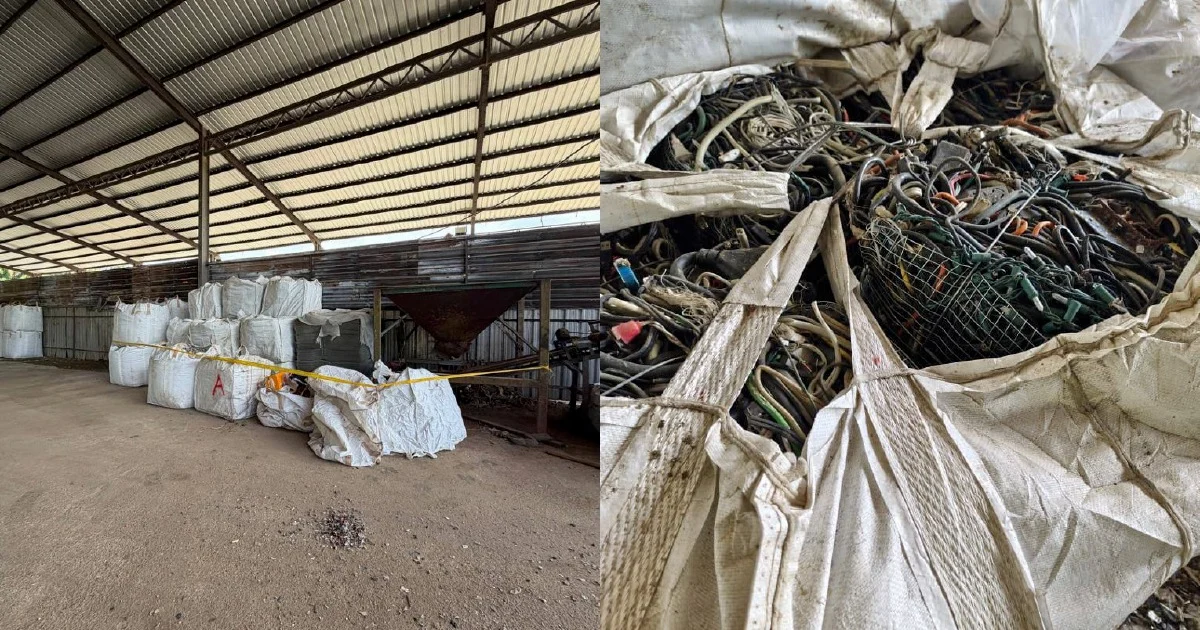
Enforcement authorities have dismantled a significant illegal e-waste operation in Bukit Mertajam, confiscating materials valued at roughly RM3 million during a coordinated raid on an unlicensed facility. The operation, which conducted uncontrolled processing and storage of electronic waste, has left five individuals facing potential charges in connection with the environmental violation.
The discovery underscores an escalating problem across Malaysia and the Southeast Asian region, where the illicit handling of discarded electrical and electronic equipment has become a lucrative but highly damaging enterprise. Unlike licensed recycling facilities that adhere to environmental protocols and safety standards, these underground operations often expose workers and surrounding communities to hazardous substances including lead, mercury, and cadmium, while generating severe soil and water contamination.
The seizure in Bukit Mertajam reflects intensifying enforcement efforts by Malaysian authorities to combat illegal e-waste trafficking and processing. The operation demonstrates coordinated inter-agency action, suggesting an upgraded commitment to tackling environmental crimes that have previously operated with relative impunity. The identification and dismantling of such facilities requires sustained intelligence gathering and surveillance, indicating that enforcement agencies have enhanced their capacity to detect and respond to illicit waste operations.
Electronic waste represents one of the fastest-growing waste streams globally, driven by rapid technological obsolescence and consumer upgrade cycles. Malaysia, as an increasingly digitalized economy with rising consumer electronics penetration, generates substantial quantities of discarded devices annually. A significant proportion of this material has historically found its way into informal and illegal processing channels rather than regulated recycling infrastructure, creating environmental and public health hazards while perpetuating exploitative labour conditions.
The individuals detained as part of the raid face investigations related to operating without proper environmental permits and licenses. Under Malaysia's environmental laws, unlicensed e-waste processing constitutes a serious violation with potential criminal penalties including substantial fines and imprisonment. The involvement of five suspects suggests an organized operation rather than ad-hoc informal activity, indicating a level of commercial sophistication dedicated to circumventing regulatory requirements.
For Malaysia and the broader Southeast Asian region, the incident highlights the challenge of managing electronic waste streams amid rapid economic growth and digital transformation. Countries in the region have become vulnerable to becoming dumping grounds for e-waste from developed nations, where local operators acquire discarded equipment for rudimentary processing and material extraction. The RM3 million valuation suggests these operations generate significant revenue, creating economic incentives for operators to continue despite legal and environmental risks.
The environmental consequences of uncontrolled e-waste processing extend beyond immediate facility locations. Improper dismantling and burning of electronic components releases toxic substances into soil and groundwater, affecting agricultural productivity and drinking water security across affected areas. Communities neighbouring illegal processing sites face heightened exposure to carcinogenic and neurological toxins, disproportionately impacting vulnerable populations without resources to relocate.
This enforcement action represents a visible component of Malaysia's broader effort to transition toward a circular economy and sustainable waste management framework. The government has established protocols for licensed e-waste processors and recyclers, yet enforcement remains challenged by the economic attractions of illegal operations and the resource constraints facing regulatory agencies. Building effective compliance requires not only reactive enforcement but also proactive engagement with legitimate businesses and consumers to establish proper disposal pathways.
For Malaysian businesses and consumers, the seizure carries implications regarding corporate responsibility and personal accountability in electronic device disposal. Many organizations and individuals remain unaware of proper e-waste recycling channels or assume that informal collection represents an acceptable alternative. Enhanced public awareness campaigns and accessible legitimate recycling options could reduce supply flowing toward illegal processors, undermining the economic viability of unauthorized operations.
The raid in Bukit Mertajam provides a benchmark for evaluating enforcement capacity across Malaysia's states. Penang, as a developed and industrialized region, possesses relatively strong regulatory infrastructure, yet significant illegal e-waste processing has persisted until this operation. Less industrialized states may harbour even more substantial undetected operations, suggesting that the broader caseload of environmental crimes remains substantially underapprehended and that systematic enforcement escalation across all jurisdictions remains necessary.
Looking forward, authorities indicate continued focus on dismantling illegal e-waste networks and pursuing operators through criminal charges. The investigation surrounding the five detained individuals will likely reveal supply chains, customer networks, and material destination points, potentially generating leads for additional enforcement actions. Successful prosecution could establish precedent deterring similar operations, though sustained commitment to detecting and addressing new illegal facilities will remain essential to managing Malaysia's growing e-waste challenge.


%22%2F%3E%3C%2Fpattern%3E%3C%2Fdefs%3E%3Crect%20width%3D%22100%25%22%20height%3D%22100%25%22%20fill%3D%22url(%23ph40buhg)%22%2F%3E%3Crect%20width%3D%22100%25%22%20height%3D%22100%25%22%20fill%3D%22url(%23ph40buhp)%22%2F%3E%3Ctext%20x%3D%2250%25%22%20y%3D%2250%25%22%20text-anchor%3D%22middle%22%20dominant-baseline%3D%22central%22%20fill%3D%22rgba(255%2C255%2C255%2C0.95)%22%20font-family%3D%22Georgia%2C%20'Times%20New%20Roman'%2C%20serif%22%20font-weight%3D%22700%22%20font-size%3D%22320%22%20letter-spacing%3D%22-0.02em%22%3EGRS%3C%2Ftext%3E%3C%2Fsvg%3E)