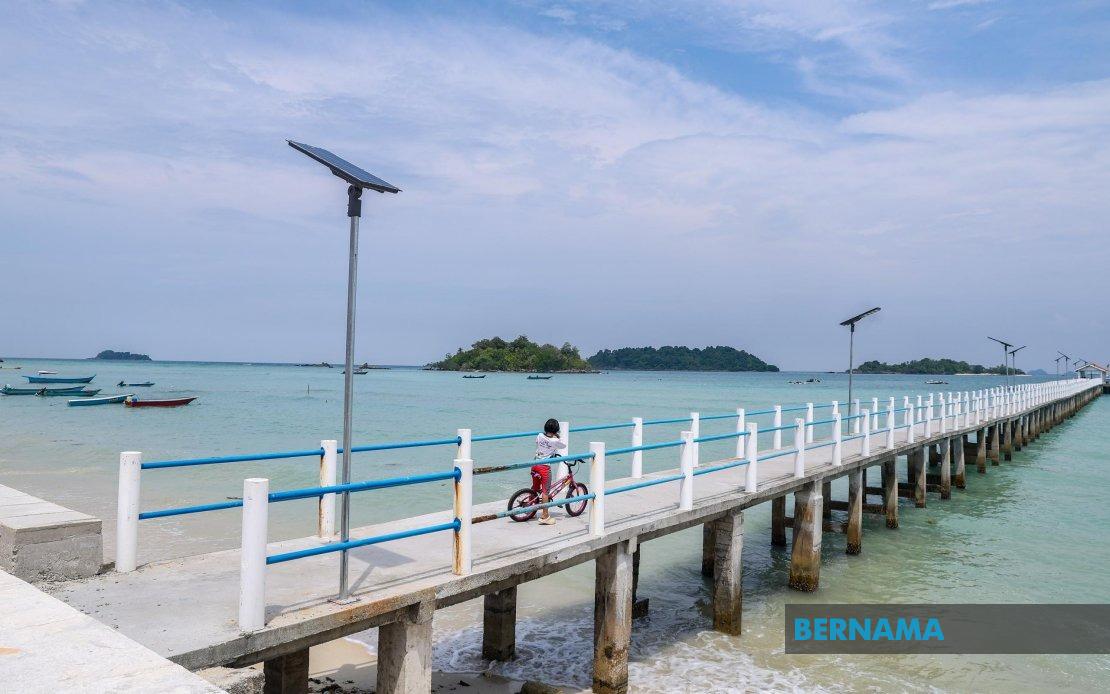
On the eve of Johor's 16th state election, residents of Pulau Tinggi have united around an urgent plea: fix the crumbling jetty that serves their island and provide housing assistance for struggling fishermen. The small island community, home to roughly 150 people spread across two villages, faces infrastructure challenges that threaten both their livelihoods and the island's future viability. As approximately 2.7 million eligible voters prepare to elect 56 state representatives on Saturday, Pulau Tinggi's modest population is making sure their needs are heard by whoever emerges victorious.
The Kampung Pasir Panjang jetty stands at the centre of the island's immediate concerns. For around seven years, since 2017, the structure has deteriorated significantly, yet it remains essential infrastructure for both the fishing community and tourism activities that bring occasional visitors to the island. Rossana Hussin, the 57-year-old village chief of Kampung Pulau Tinggi who took office in 2024, confirmed that formal applications to upgrade the jetty were submitted to the Mersing District Office in March and have received encouraging initial responses. However, positive feedback alone has not translated into concrete action, leaving residents anxious about when repairs will actually commence. The delay is particularly concerning given that people continue to use the aging facility despite safety risks, prompting village leaders to repeatedly remind users to exercise caution.
The jetty upgrade is intertwined with broader economic concerns. Tourism represents one potential avenue for Pulau Tinggi's development, yet the deteriorating state of basic infrastructure undermines efforts to attract visitors. The jetty's disrepair sends a signal about the island's condition that deters both tourists and potential new residents, accelerating a worrying demographic trend. Rossana acknowledged that the island once hosted a far larger population, but many have departed over the decades in search of employment opportunities elsewhere, with some resettling in Felda schemes. Without visible improvements to core facilities, the outflow of younger residents seeking better opportunities appears likely to continue.
Complementing the jetty issue is the urgent need for housing assistance targeted at low-income fishermen. In Kampung Tanjung Balang, the majority of residents belong to the B40 income category, with many living in homes requiring substantial repairs. Some residents face the frustration of incomplete house renovations, their living conditions stalled indefinitely. Housing repair assistance has been identified as a priority by the village leadership, with Rossana emphasising that such aid would meaningfully improve residents' quality of life and reduce financial pressure on families already struggling with modest incomes. The applications for housing support were also submitted in March alongside the jetty upgrade request, yet they similarly await implementation.
Rossana's appeal carries particular weight given her recent appointment as village chief and her clear grasp of the island's interconnected challenges. She has expressed confidence that both the newly elected Tenggaroh state representative and relevant government agencies will coordinate effectively to deliver solutions. This optimism reflects a broader hope among islanders that political attention translates into tangible progress, though the lengthy waiting period since March suggests patience is wearing thin. The village chief's emphasis on safety and welfare indicates that residents view these issues not as luxuries but as fundamental requirements for dignified living.
The demographic dimension adds urgency to Pulau Tinggi's appeals. Eighty-five-year-old Mariam Mamat represents the island's aging population, and she has become a voice for revitalising the community's tourism potential as a pathway to job creation for young people. Her concerns reflect a reality facing many small island communities across Malaysia and Southeast Asia: without active investment in infrastructure and economic opportunities, younger generations vote with their feet by leaving. She has underscored that revitalising Pulau Tinggi requires deliberate effort to reverse migration trends and restore the island to its former vibrancy.
The jetty and housing issues exemplify the challenges facing peripheral communities in Malaysia's electoral landscape. While urban and suburban constituencies command greater political attention due to voter numbers, small island populations like Pulau Tinggi's rely on dedicated advocacy and elected representatives who genuinely prioritise their welfare. The fact that applications have been submitted and received initial positive responses indicates that the bureaucratic machinery exists to process such requests. What remains unclear is whether the incoming state government will treat these improvements with sufficient urgency, or whether they will remain pending indefinitely as other priorities compete for limited resources.
For Malaysian readers, Pulau Tinggi's situation mirrors challenges facing other peripheral communities across the country—from rural villages to small islands to urban informal settlements. The pattern of infrastructure decay, housing deficits, and youth out-migration reflects systemic issues in how development priorities are allocated. The jetty has deteriorated for seven years despite being essential for tourism and fishing; housing assistance applications have waited months without progress. This gap between application and implementation is not unusual, yet it carries real consequences for residents whose safety and dignity are at stake.
The Johor state election represents a critical juncture for Pulau Tinggi. Residents are understandably appealing to the incoming representative to treat their concerns as urgent rather than routine. The elected Tenggaroh state representative will inherit responsibility for ensuring that the District Office and relevant agencies translate applications into action within reasonable timeframes. For islanders, the election offers an opportunity to communicate directly to candidates that they expect meaningful change, not merely acknowledgement of their problems.
Pulau Tinggi's appeal also highlights the importance of coordination between village leadership, district authorities, and state government in addressing peripheral community needs. Rossana Hussin's leadership since 2024 has already translated into formal submissions, but the next phase requires political will and administrative follow-through. The incoming state representative's willingness to champion such issues and maintain pressure on implementing agencies will largely determine whether Pulau Tinggi receives the infrastructure investment and housing support its residents deserve. As voters head to the polls across Johor, communities like Pulau Tinggi serve as a reminder that elections are not merely about ideology or larger policy debates—they are fundamentally about whether elected leaders will deliver tangible improvements to the lives of their constituents, however small the community may be.

