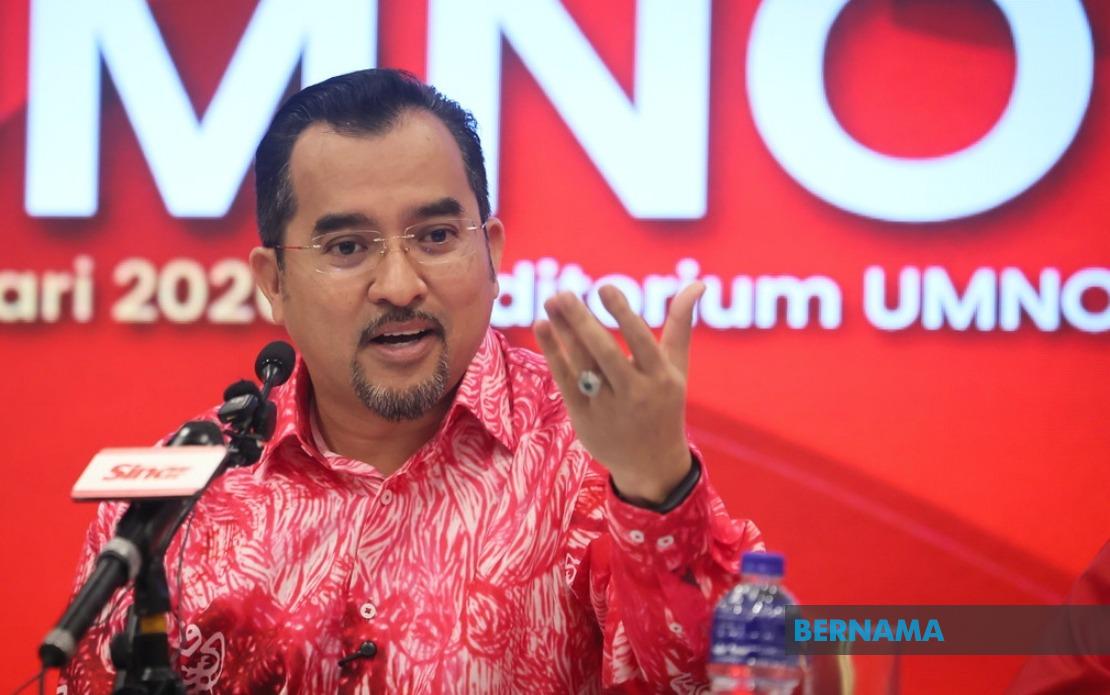
The departure of a senior UMNO figure from Malaysia's longest-governing political party has been attributed to a family-centred dispute rather than broader ideological disagreement. UMNO secretary-general Datuk Dr Asyraf Wajdi Dusuki revealed on social media that Datuk Dr Mohd Puad Zarkashi, a member of the party's Supreme Council, quit the organisation after the leadership declined to field his son as a candidate for the Rengit state constituency in the forthcoming Johor elections.
Ashraf Wajdi's public statement directly addressed Mohd Puad's announcement earlier that day, in which the latter had resigned from UMNO and declared his intention to pursue personal interests more openly. Rather than accepting the framing offered by Mohd Puad, the party secretary-general presented an alternative narrative, one that emphasised personal grievance rather than principled objection to party direction. This characterisation reflects longstanding tensions within UMNO regarding the appointment of candidates, a process that has frequently generated internal friction, particularly when ambitious members believe their family connections entitle them to particular positions.
According to Asyraf Wajdi's account, Mohd Puad had previously communicated his dissatisfaction through written correspondence, explicitly threatening to attack UMNO publicly and withdraw his membership if party leadership refused to consider his son for nomination. The secretary-general acknowledged that the younger Puad possessed youth and demonstrated leadership potential, conceding factors that might ordinarily weigh favourably in candidate selection processes. Nevertheless, Asyraf Wajdi emphasised that UMNO's nomination criteria encompass multiple considerations beyond individual aptitude, requiring the party to evaluate broader strategic and organisational factors when determining electoral candidates.
The dispute carries historical echoes within UMNO's internal dynamics. Asyraf Wajdi referenced a comparable episode during Datuk Seri Najib Tun Razak's presidency, when Mohd Puad had similarly threatened to resign from the party unless he received renomination as Member of Parliament for Batu Pahat. This pattern suggests a recurring approach within UMNO where certain figures leverage threats of departure to secure preferred outcomes, a strategy that party officials evidently view as problematic and potentially corrosive to organisational cohesion.
The timing of this internal conflict arrives amid significant political activity in Johor. The state legislature was dissolved on June 1, triggering the electoral machinery that has set June 27 as nomination day and July 11 as polling day. Such scheduling constraints place pressure on parties to finalise candidate selections, potentially intensifying disputes over contested constituencies. The Rengit seat appears to have generated particular contention, though whether competing candidates or strategic considerations motivated the rejection of Mohd Puad's son remains unclear from available statements.
Ashraf Wajdi's response emphasised UMNO's organisational principles and values. He stressed that the party functions not as a hereditary institution but as a meritocratic structure wherein leadership opportunities and candidacies derive from evaluated suitability rather than familial connections. This articulation distinguishes UMNO from systems in which dynastic succession or kinship networks determine political advancement, though critics might note that such ideals have not always been consistently applied throughout the party's history. The secretary-general's emphasis on these principles reflects awareness that candidate selection disputes threaten party unity and electoral prospects if portrayed as nepotistic.
The broader implication concerns UMNO's capacity to manage internal dissent as it confronts electoral competition. The party's recent experience encompasses significant membership fluctuations, including high-profile departures and defections. Each instance of prominent members quitting the organisation potentially signals weakness to rival parties and voters, regardless of the stated rationale. Mohd Puad's characterisation of his departure as enabling greater freedom of expression stands in contrast to Asyraf Wajdi's portrayal of it as petulant opportunism, reflecting competing narratives about why senior figures might leave UMNO.
Mohd Puad's initial statement incorporated allegations regarding Johor palace influence over party operations and the State Legislative Assembly dissolution, contentions that Asyraf Wajdi dismissed as slanderous. This escalation suggests the dispute extends beyond simple candidate selection disagreement into broader questions about party autonomy and decision-making processes. Such allegations, whether substantiated or rhetorical, generate damaging perceptions if they circulate among party members or wider constituencies, potentially undermining confidence in leadership judgment.
The phenomenon of senior party members threatening resignation to influence outcomes reflects deeper organisational challenges within UMNO. While Asyraf Wajdi asserted that party struggles transcend personal interests, the persistence of such disputes indicates that individual ambitions and factional interests remain significant forces within the organisation. Managing these tensions while maintaining party unity and electoral effectiveness requires leadership that commands respect and enforces consistent standards in candidate selection and disciplinary matters.
For Malaysian political observers, the Mohd Puad episode exemplifies recurring patterns within UMNO whereby ambitious figures employ ultimatums and public pressure tactics to secure preferred outcomes. The party's refusal to capitulate to such threats, assuming Asyraf Wajdi's account proves accurate, suggests organisational resolve to maintain selection criteria independent of individual leverage. However, whether such firmness will prevent future similar disputes or merely postpone them remains uncertain, particularly as UMNO continues confronting electoral competition and internal pressures in the years ahead.

