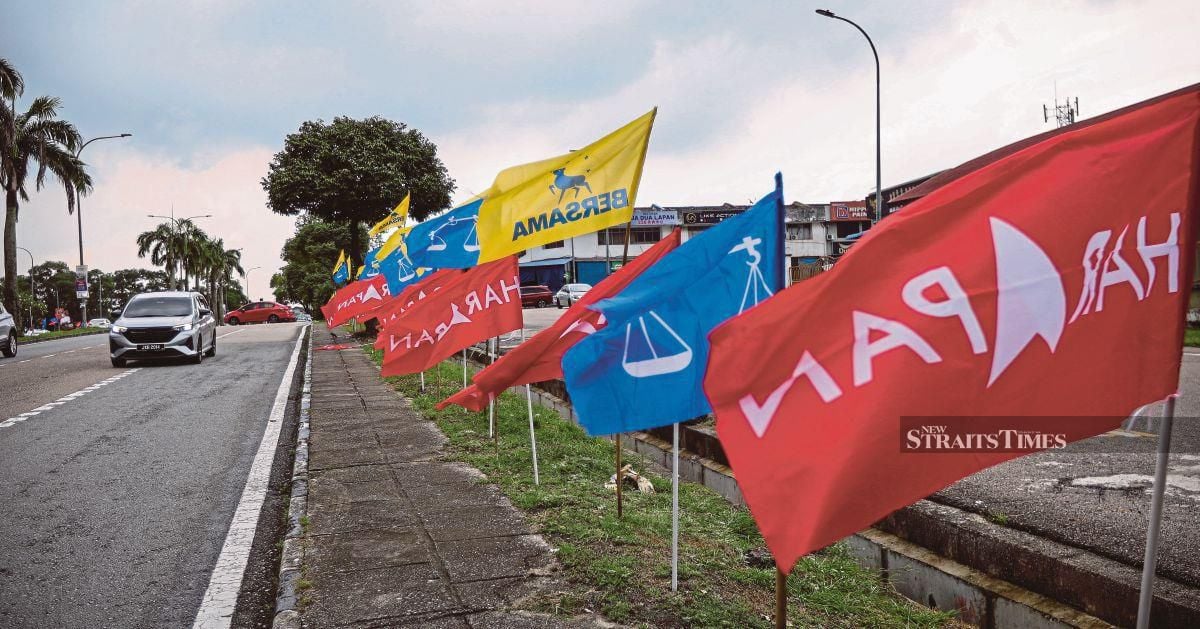
Law enforcement authorities in Johor Baru have formally launched investigations into 18 suspected cases of election law breaches uncovered during the 16th Johor state election campaign period, which began on July 27 and concluded recently. The action follows 56 complaints lodged with police regarding various alleged transgressions of electoral regulations during the high-stakes campaign season.
The move reflects heightened scrutiny over electoral conduct in Malaysia's second-most populous state, where competitive political contests have increasingly drawn attention from authorities keen to maintain the integrity of democratic processes. Election offences in Malaysia carry significant legal consequences and can include violations ranging from bribery and intimidation to irregular campaign financing and unlawful use of government resources for partisan advantage.
Johor's 16th state election represented a crucial political contest in the country's landscape, and police attention to alleged irregularities underscores the seriousness with which the authorities treat adherence to election laws. The volume of complaints—56 reports condensed into 18 formal investigations—suggests that some allegations may have been consolidated or that initial police screening filtered out cases deemed insufficient for further inquiry.
Investigation papers being opened represents a formal stage in Malaysia's law enforcement process, indicating that police have gathered enough preliminary evidence to warrant official probe documentation. This falls short of charges being filed, but marks a significant threshold in moving complaints from initial assessment toward potential prosecution.
For Malaysian voters and political observers, such enforcement actions carry dual implications. Strict enforcement of election laws theoretically protects electoral integrity by deterring misconduct and ensuring all participants compete on level ground. However, the political environment in Johor—with its history of intense factional competition—means that election law enforcement can become contentious if seen as selectively targeting particular parties or individuals.
The nature and distribution of these 18 cases remain undisclosed in police statements, leaving open questions about whether investigations focus on specific political actors, campaign tactics, or occur across the board. Transparency regarding the types of offences under investigation would assist public understanding of whether authorities are addressing systemic vulnerabilities in campaign regulations or isolated incidents of misconduct.
Election financing irregularities have proven particularly problematic in Malaysian politics, with past scandals involving undisclosed funding sources and improper spending by candidates. Campaign finance violations during Johor's campaign could constitute a significant portion of the 18 investigations, given the scale of modern state-level electoral operations and their attendant costs.
The timing of these investigations matters for Malaysia's broader electoral reputation. Southeast Asia watches how Malaysia manages democratic integrity, and other regional nations examine Malaysian approaches to election law enforcement. Credible investigation of alleged breaches, followed by transparent adjudication, reinforces confidence in Malaysian institutions; conversely, perception of selective or politically motivated enforcement damages democratic legitimacy.
For Johor residents and stakeholders across Malaysia, the police action represents one dimension of post-election accountability mechanisms. Election Commissions and independent oversight bodies typically review complaints in parallel with law enforcement, creating multiple layers of review. How these various institutions coordinate and ensure consistency remains crucial for public trust.
The 56 reports themselves likely encompassed disputes between candidates, complaints from voters, and allegations lodged by contending parties during a competitive campaign period. Not all complaints reach the threshold for formal investigation; the fact that 18 proceeded suggests these met evidentiary bars established by police protocols.
Moving forward, police investigations will need to advance toward either charging suspects, recommending prosecution to the Attorney General's Chambers, or closing cases without action. This progression typically unfolds over months, during which evidence is gathered, statements are recorded, and case files are compiled. The public often remains uninformed about investigations' outcomes unless charges are eventually filed.
For Malaysian political stakeholders, these enforcement actions carry lessons about election law compliance. Candidates and campaign teams operating in future electoral contests will presumably absorb cautionary signals that police take breaches seriously and will investigate complaints. Whether this deters actual misconduct or merely encourages more sophisticated concealment of violations remains an enduring question in electoral regulation.
Ultimately, Johor's experience illustrates the ongoing tension between facilitating robust democratic competition and maintaining standards for lawful campaign conduct. Police investigations provide one accountability mechanism, yet sustained confidence in electoral fairness requires equally visible commitment to impartial enforcement regardless of the political affiliation of those under investigation.

