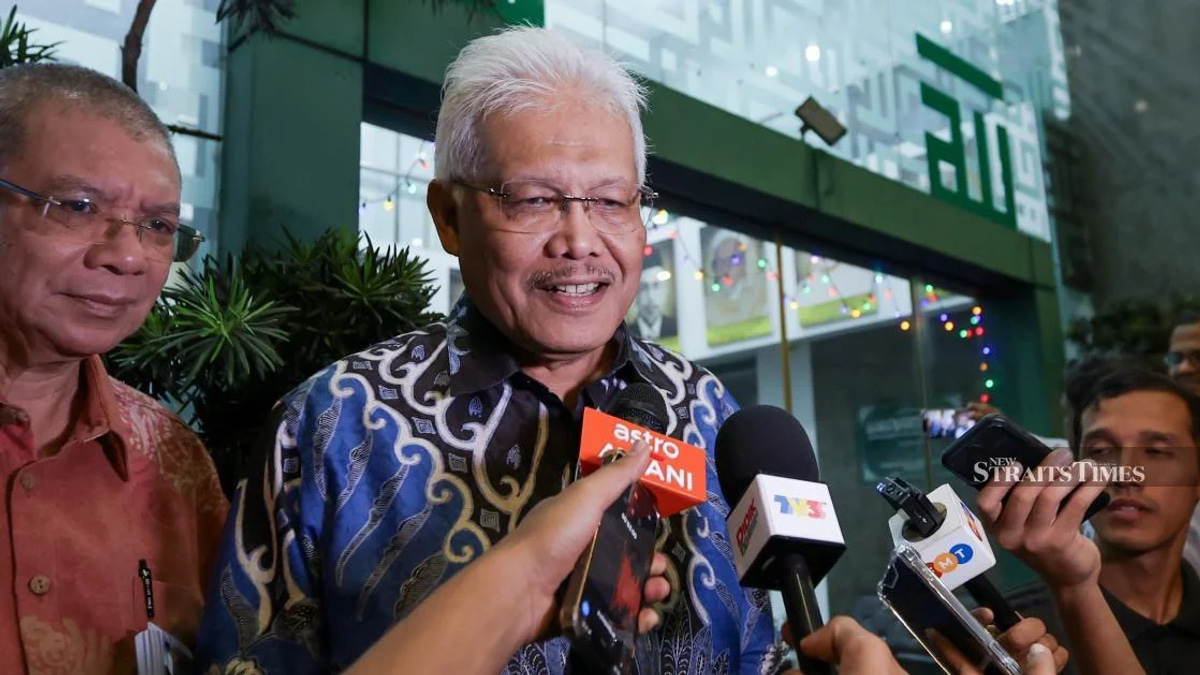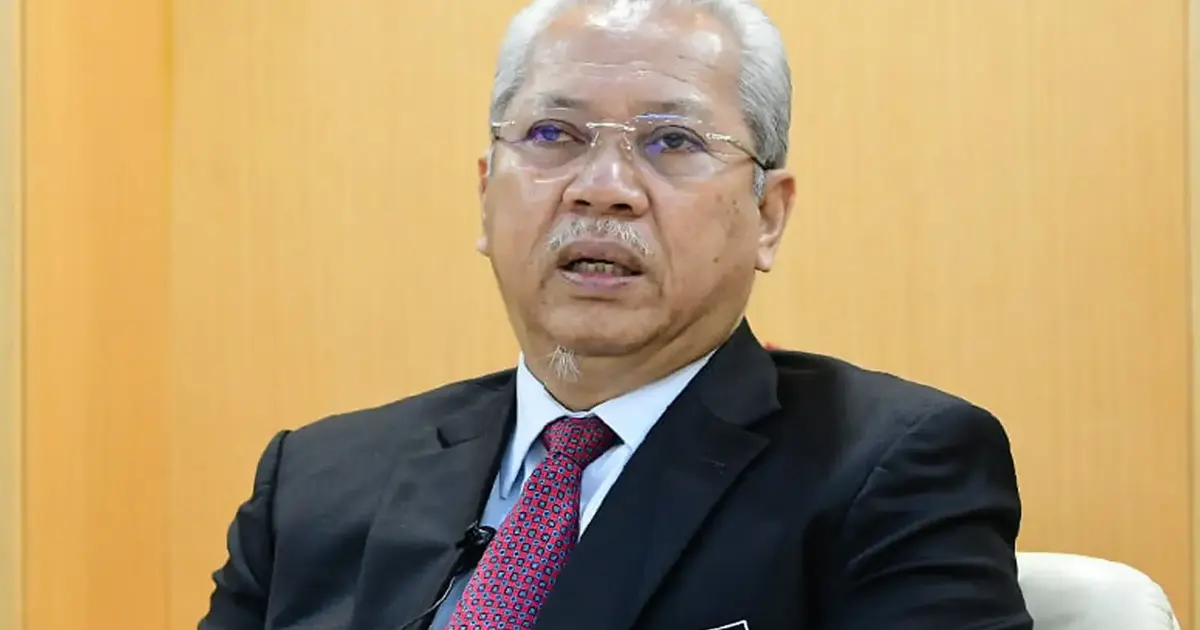
Perikatan Nasional's supreme council will convene Monday to settle persistent questions regarding Bersatu's position within the coalition and clarify which party logos will be deployed in forthcoming state elections, according to the opposition bloc's information chief Annuar Musa. The meeting represents a critical juncture for PN as it attempts to project unity ahead of electoral contests in Johor and Negeri Sembilan, two states where internal friction could undermine its competitive position against the ruling Pakatan Harapan alliance.
Annuar Musa's public acknowledgement that Monday's gathering will address these matters signals recognition within PN leadership that lingering ambiguity about Bersatu's standing has created operational complications. The party has faced questions about whether it remains genuinely integrated into PN's structural framework or maintains a more autonomous status, a distinction with considerable implications for campaign coordination and voter messaging. Such uncertainties typically arise when coalition partners harbour divergent strategic interests or when recent political realignments have not been fully consolidated into institutional arrangements.
The logo dispute itself carries symbolic weight beyond mere branding logistics. In Malaysian electoral politics, party symbols function as critical tools for candidate identification and voter mobilisation, particularly in constituencies where literacy levels vary. When a coalition partner's logo becomes contestable, it reflects underlying tensions about resource distribution, campaign prominence, and the relative status of member parties. For Johor and Negeri Sembilan voters, clarity on ballot presentation will influence how effectively opposition candidates can consolidate support against the government-backed alternatives.
Bersatu's relationship with PN has been complicated by its own internal dynamics and shifting political circumstances across multiple election cycles. The party's decision to participate in coalition structures often depends on achieving specific outcomes regarding seat allocation and campaign resources. Monday's meeting will apparently address not only the symbolic question of which logos appear in campaign materials but also the substantive matter of how electoral contests will be contested—whether through joint PN efforts or through individual party campaigns that might fragment the anti-government vote.
Seat allocation disputes frequently accompany logo discussions in Malaysian coalition politics, as they determine which party members contest which constituencies and thus directly affect electoral prospects. For both Johor and Negeri Sembilan, settling these allocations before campaign periods commence is operationally essential. Delayed decisions risk creating confusion among candidates, volunteers, and party machinery, potentially squandering preparation time that opposition coalitions can ill afford given the government's resource advantages and incumbent benefits.
The timing of Monday's meeting appears strategically considered, occurring at a point when these state elections have become increasingly imminent and parties must finalise their electoral strategies. Postponing such decisions further would compress preparation windows and create last-minute uncertainty that typically disadvantages opposition coalitions more severely than ruling parties. PN's leadership evidently recognises that projecting internal coherence through resolved disputes enhances credibility with voters sceptical of opposition capability.
For Malaysian observers, these proceedings illustrate the structural challenges that multi-party coalitions face even when members share ostensible policy alignment or electoral interest in defeating common opponents. The difference between a coalition that functions as an integrated political vehicle and one that remains a loose alliance of convenience frequently determines electoral effectiveness. When parties within such arrangements maintain ambiguous relationships, as appears to be the case between Bersatu and broader PN structures, campaign messaging becomes fragmented and voter mobilisation less efficient.
The Johor and Negeri Sembilan contests occur within a broader political context where opposition coalitions have struggled to maintain unified campaigns against a government that possesses constitutional authority, bureaucratic resources, and media advantages. PN's ability to project internal agreement—even when papered over through Monday's meetings—becomes a competitive necessity rather than a luxury. Voters considering opposition candidates need confidence that the parties offering alternatives to the government function as coherent political organisations rather than assemblages of competing ambitions.
Annuar Musa's role as information chief carries significance in this context, as his public statements represent coalition-sanctioned communications. His confirmation that Monday's meeting will address these issues serves partly as internal signal to party members and partly as reassurance to potential voters that PN leadership is actively managing outstanding disputes. The framing of these matters as resolvable through appropriate party procedures—rather than as indicators of fundamental disagreement—attempts to contain potential damage from airing internal tensions.
The practical outcomes of Monday's gathering will likely determine PN's electoral competitiveness in both Johor and Negeri Sembilan. Should the supreme council successfully reach agreement on logo usage and seat allocations that all significant parties view as acceptable, the coalition can move forward into campaign phases with unified messaging. Alternatively, if substantial parties remain dissatisfied with resolutions, residual grievances could manifest as suboptimal campaign coordination or even splinter candidacies that divide anti-government votes. For Malaysian political observers, the meeting represents more than procedural housekeeping—it symbolises whether PN possesses the internal cohesion necessary to function as a credible electoral alternative.