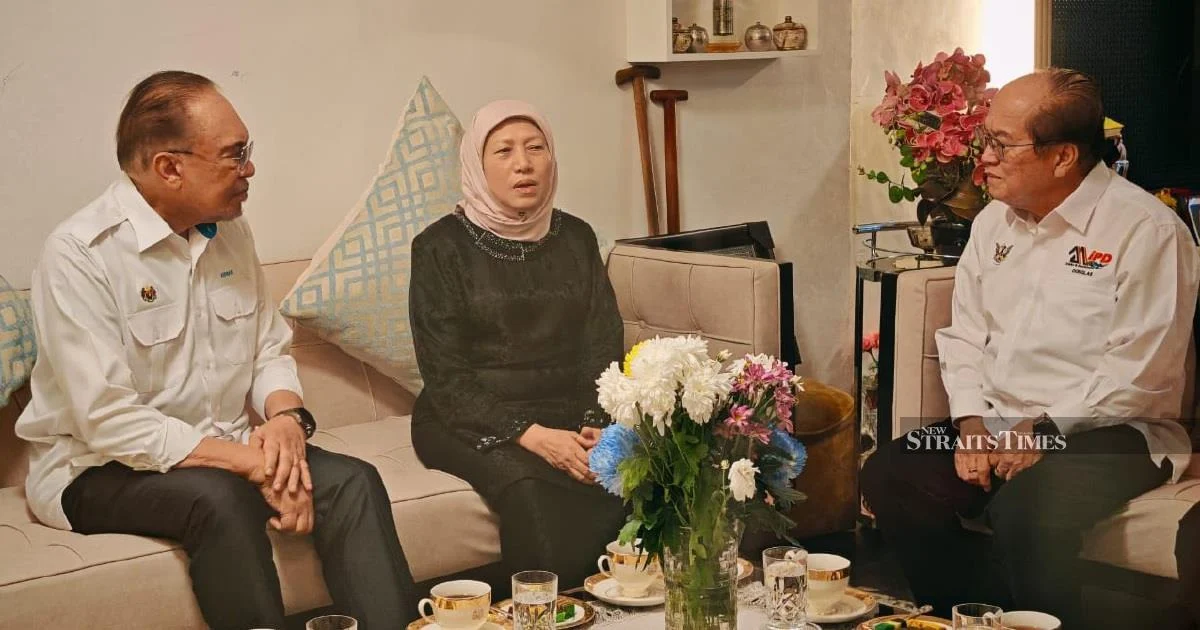
Prime Minister Datuk Seri Anwar Ibrahim made a personal visit to Kuching today to express his sympathies to Women, Family and Community Development Minister Datuk Seri Nancy Shukri, whose husband Datuk Kamil Misuari has recently passed away. The gesture reflects the customary protocols observed within Malaysia's political establishment when senior government figures face personal losses, underscoring the bonds of solidarity that transcend ministerial roles.
Such condolence visits represent an important dimension of Malaysia's political culture, where high-ranking officials acknowledge the personal difficulties faced by their colleagues and demonstrate institutional support during times of family bereavement. The Prime Minister's willingness to travel to Sarawak personally for this purpose highlights the significance accorded to Nancy Shukri's position within the federal cabinet, as well as the broader respect given to those serving in the government's leadership structure.
Nancy Shukri has held the Women, Family and Community Development portfolio as a member of the federal cabinet, bringing her responsibilities to bear on issues concerning the welfare of Malaysian women, family structures, and community initiatives. Her loss of a spouse represents a profound personal matter that often necessitates support from her professional community, particularly from the highest levels of political leadership. The Prime Minister's acknowledgment of this private grief through an official condolence visit serves both to comfort the bereaved family and to demonstrate the human dimension of governance.
The timing and nature of such visits carry significance within Malaysia's political landscape. Government ministers, despite their substantial responsibilities managing national and state-level portfolios, remain members of their communities who experience the same personal vulnerabilities and family challenges as ordinary citizens. The acknowledgment of these human dimensions through formal condolence protocols helps maintain the dignity and respect that the public expects from its leadership.
Condolence practices within Malaysian politics typically involve visits to the bereaved family's residence or to formal gathering spaces designated for mourning purposes. In the case of Nancy Shukri, the Prime Minister's presence in Kuching indicated his personal commitment to honouring the memory of her late husband while offering support to her during the initial period following the loss. Such gestures often involve conversations between senior officials that extend beyond mere expressions of sympathy, sometimes touching on practical matters and the continuation of the bereaved minister's work commitments.
The role of women in Malaysia's cabinet structure has evolved significantly over recent years, and Nancy Shukri's position as Women, Family and Community Development Minister places her at the forefront of policy initiatives affecting a substantial portion of the Malaysian population. Her continued effective functioning during periods of personal difficulty depends partly on the institutional and personal support she receives from colleagues and senior leadership. The Prime Minister's visit thus carries implicit recognition of her importance to the government's agenda.
For Nancy Shukri and her family, such high-level acknowledgment of their loss provides both comfort and a measure of public recognition that her personal circumstances matter within the broader governmental structure. This intersection of private grief and public duty characterises much of the experience of senior government officials, who must balance their responsibilities with their humanity.
The condolence visit also reflects diplomatic courtesies that extend beyond the federal capital, demonstrating the Prime Minister's awareness of significant events affecting his cabinet members regardless of their geographic location. Kuching, as Sarawak's capital and a major political centre, hosts numerous federal officials and representatives, making it an important venue for high-level political interactions.
In the weeks and months following such a loss, ministers often receive ongoing support from their colleagues as they navigate the dual challenges of personal bereavement and the continuation of their official duties. The cabinet structure typically allows for temporary redistributions of responsibilities or adjusted schedules to accommodate such circumstances, though many senior officials prefer to maintain their normal work commitments as a form of processing grief and maintaining professional focus.
The Datuk titles borne by both Nancy Shukri and her late husband Kamil Misuari indicate their recognized status within Malaysia's honours system, reflecting their contributions to public life and their standing within society. Such formal recognition often means that their personal matters receive wider public attention than they might for ordinary citizens, adding complexity to the experience of bereavement.
Prime ministerial condolence visits serve practical purposes beyond the emotional support they provide, often opening pathways for discussions about any adjustments needed to accommodate the bereaved minister's circumstances, whether related to workload, scheduling, or other administrative matters. These conversations, conducted privately and with appropriate sensitivity, help ensure that government operations continue smoothly while respecting the genuine human needs of those experiencing personal loss.