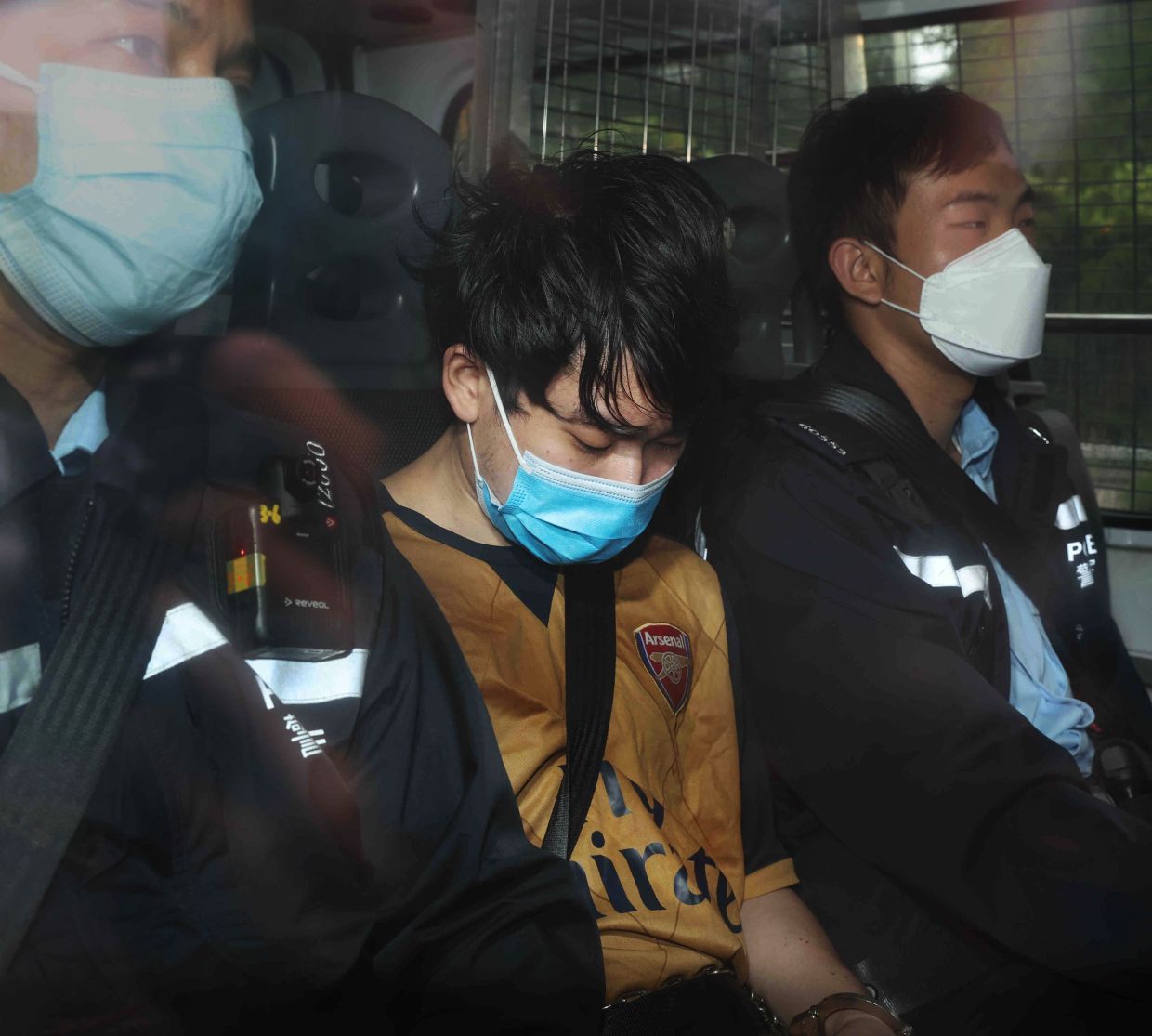
A Hong Kong man accused of killing his girlfriend four years ago in a village flat has constructed an extraordinary defence, asserting that he fatally beat her during a misguided weight-loss scheme involving forced sleep deprivation. Ng Ka-sing, 29, faces trial at the High Court for the alleged murder of his 30-year-old partner Yip Tsz-ching, whose body was discovered wrapped in plastic on a wheelboard in Hung Shui Kiu in April 2022. The defendant has already rejected a plea bargain for manslaughter, choosing instead to contest the murder charge before a seven-member jury presided over by Mrs Justice Judianna Barnes.
The prosecution's case centres on events spanning two days in late April 2022 at the couple's modest 700-square-foot apartment in Galore Garden. Senior public prosecutor Audrey Parwani has signalled that the Crown does not accept Ng's version of events, particularly his explanations for the extensive injuries found on Yip's body. The Crown alleges systematic abuse rather than accidental harm resulting from a weight-management plan. Forensic evidence will be crucial to establishing the timeline and nature of the injuries that ultimately led to Yip's death, with pathologist findings already indicating multiple forms of trauma across her body.
According to Ng's statement to police, the violence began late on April 27 when he reportedly struck his girlfriend with a rod while attempting to prevent her from sleeping, believing this strategy would facilitate weight loss. The defendant claims he continued this assault intermittently over the following hours—from 10 pm on April 27 through 1:30 am on April 28, then resuming between 3 am and 5:30 am. Ng has told investigators that Yip did not verbally object during these episodes, and that a sworn sister living in the flat even suggested he should "continue for a bit longer" when he questioned whether he ought to stop.
The chemical injuries sustained by Yip further complicate the narrative. Prosecution evidence indicates that approximately 55 per cent of her body bore extensive corrosive burns. Ng attributes some of these to Yip herself, claiming she poured drain cleaner over her own body, while he admits only to splashing the substance on the floor to "stimulate" her feet. The defence also suggests that Yip struck herself repeatedly against a wall seven to eight times after slipping on the wet surface. By early morning on April 28, Yip reportedly complained of pain and expressed fear she would not survive, subsequently losing consciousness at 7:21 am. Government pathologist Dr Foo Ka-chung would later determine that suffocation following head injuries and extensive burns was the cause of death.
The discovery of Yip's body introduced another layer to the case. Joggers spotted her leg protruding from a rolled-up quilt loaded on Ng's wheelboard at approximately 6 am on April 29. Witness Lau Kwok-yan, who reported the incident, noted that Ng stood calmly on the street awaiting police arrival, displaying no signs of panic or distress. When street cleaner Wong Ah-sum confronted Ng about the body, the defendant reportedly identified it as a corpse and claimed he intended to transport it to a police station. Upon arrest at 6:36 am, Ng made an initial confession of sorts, stating: "This was my girlfriend. I hit her to death with a rod by mistake."
Forensic examination revealed careful preparation in disposing of the body. Lo Man-hung, a forensic evidence specialist, documented that Yip's corpse had been secured to a toppled wooden chair using black rubbish bags and covered with a quilt. Her head was wrapped multiple times in cling film and adhesive tape, suggesting deliberate concealment rather than panic. Government pathologist Dr Foo determined Yip had been dead between 12 to 24 hours at discovery. His autopsy findings identified multiple bruises, abrasions and lacerations across her head and other body areas consistent with blunt force trauma, including evidence suggesting she had been struck, punched and kicked.
The prosecution's rejection of a manslaughter plea indicates Crown confidence in proving the killing was intentional rather than accidental. Parwani's opening remarks emphasised that the defence narrative—a weight-loss regimen that spiralled into tragedy—strains credulity given the severity and systematic nature of injuries. The timing and method of death, combined with the deliberate body disposal and careful wrapping, suggest premeditation or at minimum reckless indifference. The jury will need to weigh whether Ng's account of accident and confusion aligns with evidence of prolonged assault, chemical burns, and methodical concealment.
The case carries implications beyond the immediate criminal proceedings, highlighting broader concerns about domestic violence in Hong Kong. The involvement of a sworn sister in the home during the alleged assault raises questions about how violence can escalate within seemingly witnessed environments, and whether bystander intervention could have prevented tragedy. The defendant's bizarre justification—framing repeated beatings as health assistance—exemplifies how perpetrators sometimes construct pseudo-rational narratives to mask abuse. For Malaysian observers, the case underscores universal vulnerabilities in domestic situations where one partner exerts control over another, regardless of stated purpose.
The trial is expected to run for 18 days, during which the court will examine forensic evidence, witness testimony, police interview records, and expert pathological analysis. The jury must determine whether Ng acted with murderous intent, acted recklessly in circumstances risking death, or whether his account of accident and unintended consequence holds weight. The disposition of this case will likely establish precedent regarding domestic violence prosecutions in Hong Kong's courts and influence how similar defence claims are evaluated in future trials across the region.