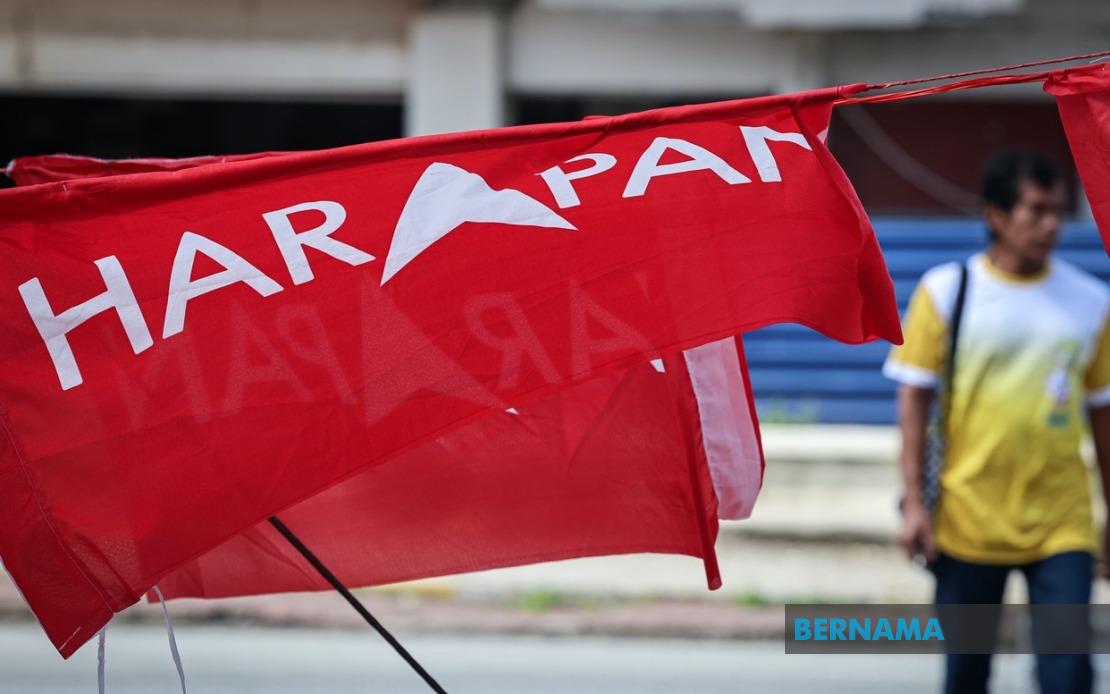
As Johor's 16th state election enters its decisive final stretch, Pakatan Harapan candidates are executing an integrated campaign strategy that bridges the traditional and digital worlds. With five days remaining before polling day on July 11, the opposition coalition is deploying what party strategists describe as a hybrid approach designed to penetrate voter consciousness across multiple demographic groups and geographic zones throughout the state.
The convergence of old and new campaign methods reflects the modern electoral landscape, where no single channel guarantees message penetration. PH's approach acknowledges that Johor voters consume political information through diverse means—some remain tied to community gatherings and face-to-face interactions, while others rely almost exclusively on their smartphones for news and political engagement. By simultaneously activating grassroots machinery and digital infrastructure, the coalition aims to ensure no potential supporter slips through the cracks.
Traditional campaign elements remain the backbone of PH's effort. Candidates continue conducting group discussions, attending neighbourhood forums, and knocking on doors to build personal relationships with constituents. This ground-level presence generates the kind of organic momentum that digital platforms struggle to replicate. The appearance of senior party figures in candidate campaign events amplifies this effect. When Penang Chief Minister Chow Kon Yeow joined incumbent Simpang Jeram assemblyman Nazri Abdul Rahman on the campaign trail, the visit signaled party commitment and energized local PH volunteers who see leadership engagement as validation of their electoral prospects.
Chow's direct appeal to Johor voters reflected the stakes involved. He called on residents to grant their mandate to PH candidates, framing the choice in terms of continuity and inclusive governance. This messaging strategy positions PH as the stability option, crucial in a state where economic development and equitable distribution of resources remain dominant voter concerns. The emphasis on inclusive governance speaks directly to Johor's multicultural composition and anxieties about fairness in development projects and business opportunities.
The digital dimension of PH's campaign has evolved beyond simple social media presence into what candidates themselves describe as a virtual campaign infrastructure. Social media platforms no longer serve merely as broadcast channels where parties announce positions. Instead, they function as two-way communication spaces enabling rapid feedback and direct voter-to-candidate dialogue. This transformation matters because it creates the impression—and often the reality—of accessibility and responsiveness that traditional campaign structures cannot match.
TikTok has emerged as an unexpectedly potent campaigning tool in Johor. Tiram candidate Nor Zulaila Abd Ghani discovered that the platform's informal aesthetic and short-form video format allow her to present political messaging in ways that feel authentic rather than manufactured. User responses in TikTok comment sections praising her candidacy suggest the platform's potential to generate organic enthusiasm. Comments describing her as the "perfect candidate" and acknowledging that she brings "our voices" to the assembly indicate that effective TikTok campaigning achieves something beyond reach—it builds perceived alignment between candidate and community.
Puteri Wangsa candidate Dr Maszlee Malik has adopted a different but complementary digital strategy through WhatsApp Channels. His initiative, branded as 'Gerak Sama Dr Maszlee Malik,' creates a dedicated space where supporters can track campaign developments and submit concerns or ideas. WhatsApp's dominance in Malaysian communications, particularly among older demographic cohorts, extends digital reach into populations that might dismiss TikTok or ignore Facebook. This segmented approach acknowledges that effective digital campaigning requires platform-specific strategies rather than uniform messaging.
Machap candidate Nor Hafiz Roslan leverages Facebook to construct a professional identity narrative, emphasizing credentials as a lawyer and community activist. This approach works particularly well on Facebook, where user demographics skew toward established professionals and community leaders who evaluate candidates partly on demonstrated expertise and track record. By positioning himself through this lens, Roslan appeals to voters who base electoral decisions on institutional credibility and proven capability.
Mobility-focused campaigning represents another innovation in PH's toolkit. Tanjung Surat candidate Faizul Abdul Ghani employs the 'Jelajah Trak Harapan' (Harapan Journey Truck), a mobile campaign unit that penetrates multiple localities with flexible scheduling. This approach addresses a perennial challenge in Malaysian state elections: that fixed campaign venues cannot reach dispersed rural populations or working voters unable to attend evening rallies. A roving campaign vehicle generates novelty and allows candidates to meet voters in their own communities, reducing barriers to engagement.
The sophistication of PH's campaign reflects lessons learned from previous elections and the evolution of voter expectations. Malaysian voters, particularly in urban and semi-urban areas, expect political parties to master digital platforms. A candidate's weak social media presence or inability to communicate through WhatsApp or TikTok increasingly carries signal about overall competence and understanding of contemporary needs. By demonstrating digital fluency, PH candidates address unstated voter concerns about whether their representatives can function effectively in an increasingly tech-dependent governance environment.
The timing of this intensive push matters significantly. Five days before polling allows campaigns to consolidate support among decided voters while making last-minute conversions of undecided swing voters. Early voting by security forces commences July 7, meaning some ballots will be cast before the final week of campaigning concludes. This compressed timeline makes efficient, multi-channel communication essential. Candidates cannot afford to rely on gradual persuasion when time to make impressions is counting down in days.
The stakes extend beyond individual assembly seats to broader questions about Johor's political direction and Malaysia's electoral trajectory. Johor, as one of Malaysia's most economically significant states, has outsized importance in national politics. How effectively parties execute modern campaign strategies here offers templates for other states and the federal elections that loom ahead. PH's hybrid strategy, combining grassroots presence with digital sophistication, may represent the emerging standard for competitive Malaysian electoral campaigns.

