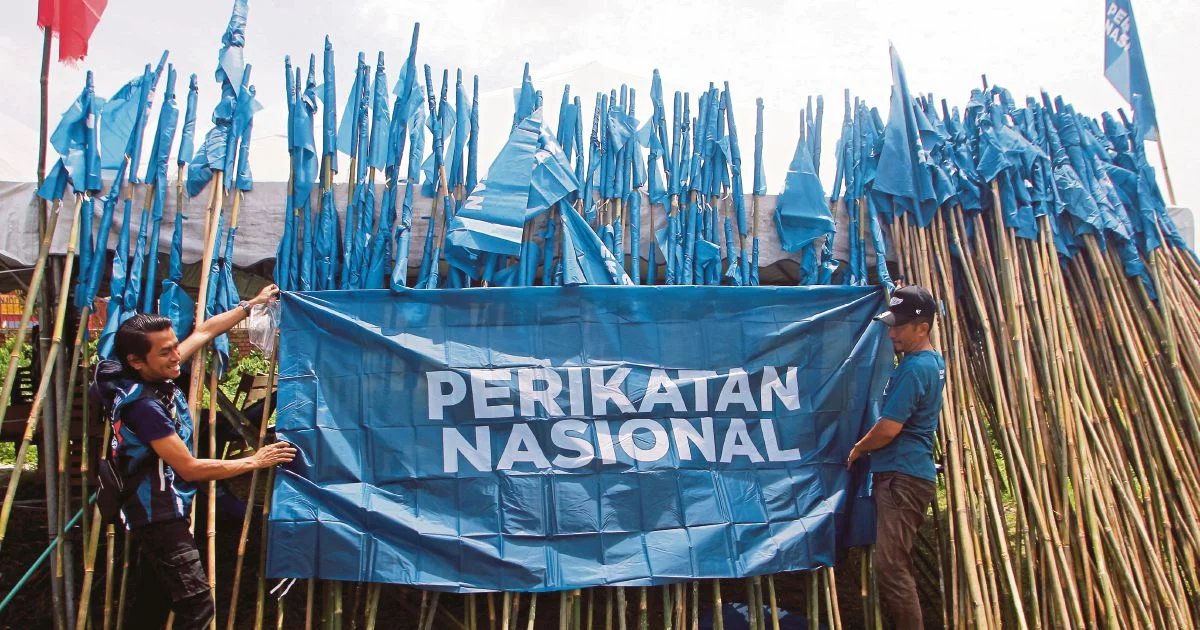
The Perikatan Nasional coalition faces a critical juncture as its Supreme Council prepares to assemble in Kota Baru on June 22, tackling a backlog of unresolved disputes that threaten the alliance's internal cohesion. At the heart of these discussions lies the perennial question of logo ownership and usage rights—an issue that has festered within the coalition and threatens to undermine its unified electoral presence. The meeting will also address how the coalition intends to coordinate its candidate endorsements across multiple upcoming elections, a matter of acute strategic importance as political alliances jostle for position in Malaysia's evolving political landscape.
The logo dispute represents far more than a procedural technicality; it strikes at the very foundation of coalition identity and electoral legitimacy. In Malaysia's electoral system, where visual symbols carry considerable weight among voters and serve as crucial markers of political affiliation, control over a coalition's official emblem becomes a matter of substantial political leverage. Ambiguity surrounding logo rights can create complications during nomination processes, confuse voters, and potentially invalidate ballots or candidacies if legal questions emerge during polling periods. The PN coalition must establish definitive protocols governing how its symbol may be deployed by member parties, subsidiary organisations, and individual candidates to prevent the kind of confusion that has historically plagued other multi-party alliances in Southeast Asia.
Peering beyond the immediate symbolism, the logo question reflects deeper anxieties about power distribution within the coalition. Dominant member parties naturally seek to strengthen their control over coalition assets and branding, while smaller partners fear marginalisation if they lack equal standing in determining how shared symbols are used. This tension becomes particularly acute when coalition partners harbour divergent policy priorities or compete directly in certain constituencies. The June 22 meeting must therefore forge compromises that acknowledge the legitimate interests of all participants while maintaining sufficient flexibility to accommodate regional electoral variations across Malaysia's thirteen states.
The second major agenda item—candidate endorsements for forthcoming elections—presents equally complex strategic calculations. Coalition members must determine which candidates receive the party's official backing, a decision fraught with implications for both inter-party harmony and electoral viability. In constituencies where PN partners field competing candidates, endorsement decisions can either encourage coordination or inadvertently stoke internal conflict. The coalition must also consider whether to endorse independent candidates in certain areas, a tactic that can expand electoral reach but risks diluting the message and confusing supporters. These determinations carry direct implications for Malaysia's states preparing for fresh electoral contests, particularly as several states approach constitutional term limits or face dissolution prospects.
For Malaysian voters and political observers, the PN Supreme Council deliberations matter considerably beyond coalition internal dynamics. Perikatan Nasional represents a significant force in the nation's political architecture, drawing support from multiple demographic constituencies and regional strongholds. How effectively the coalition resolves its internal governance questions will influence its capacity to present coherent policy platforms, mount organised campaigns, and ultimately translate voter support into legislative representation. A coalition riven by unresolved disputes over fundamental matters like logo rights and candidate coordination risks appearing fragmented and amateurish to the electorate, potentially squandering electoral opportunities that their numerical support might otherwise guarantee.
The timing of this June 22 meeting also warrants scrutiny. Electoral calendars across Malaysia are gradually filling up, with various state elections likely to materialise throughout 2024 and beyond. Delaying resolution of logo and endorsement issues into June places PN uncomfortably close to nomination periods that could be triggered with minimal notice. Coalition partners require sufficient lead time to establish campaign infrastructure, vet candidates, and communicate endorsement decisions to grassroots machinery. Protracted internal negotiations that extend beyond June could compromise PN's electoral readiness compared to rival coalitions that have already settled analogous governance questions.
Context from previous coalition experiences illuminates why these matters demand urgent resolution. Malaysia's political landscape has witnessed recurring instances where ambiguity over symbol usage or candidate endorsement protocols generated litigation, electoral officer interventions, and public controversy. The Federal Court has occasionally been drawn into adjudicating disputes that coalitions should have settled through internal mechanisms. By establishing clear, documented procedures on June 22, the PN Supreme Council can insulate itself from such legal entanglements and demonstrate institutional maturity to both internal stakeholders and external observers.
Regional dimensions add further complexity to PN's deliberations. Perikatan Nasional maintains particular strength in several East Malaysian states and peninsular regions where it competes against both Barisan Nasional and Pakatan Harapan. Endorsement decisions carry different ramifications depending on local political configurations; a candidate endorsed centrally might prove contentious in certain state contexts or create friction with established local power brokers. The Supreme Council must therefore craft endorsement frameworks that accommodate this geographical heterogeneity while maintaining sufficient consistency to preserve coalition identity.
The broader Malaysian political economy is watching how Perikatan Nasional manages what amounts to institutional housekeeping. Other coalitions and independent political formations face analogous governance challenges, and precedents established through PN's June 22 deliberations might influence how rival alliances approach their own internal coordination problems. Should PN emerge from this meeting with transparent, workable solutions, it strengthens the coalition's claim to political sophistication and competent leadership. Conversely, should the Supreme Council produce opaque compromises that merely postpone fundamental disagreements, sceptics might point to such outcomes as evidence that personality-driven leadership arrangements lack the institutional scaffolding necessary for sustainable political alliances in a complex, multi-ethnic democracy.