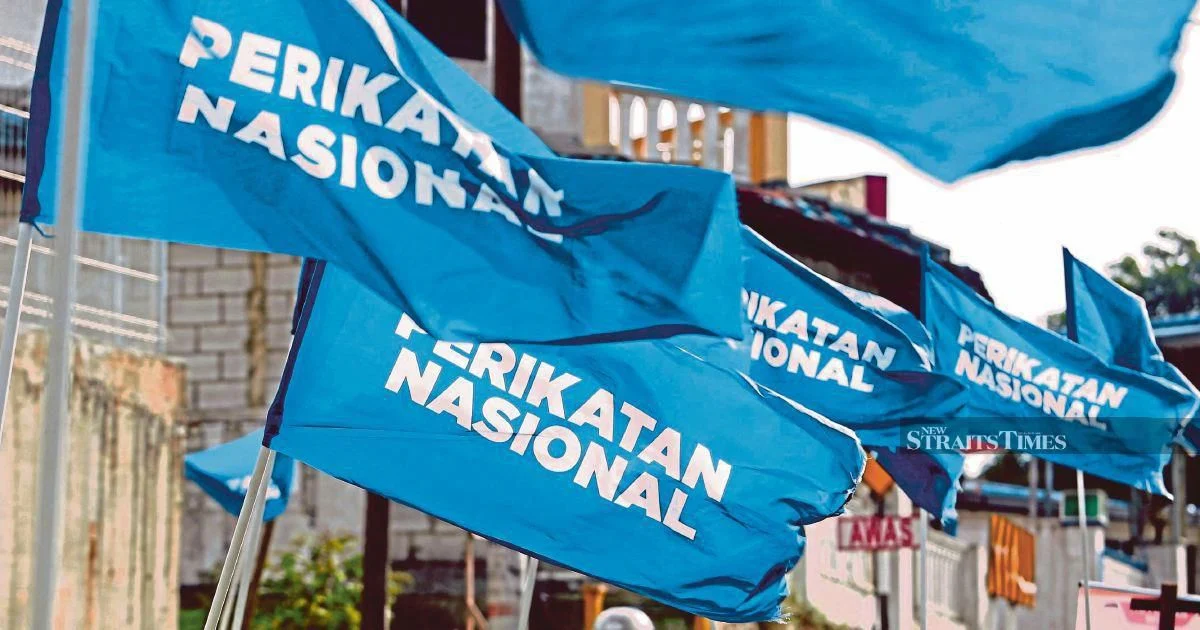
Tensions within the Perikatan Nasional alliance have reached a new flashpoint, with PAS questioning whether its coalition partner Bersatu possesses the legitimate authority to use the bloc's official logo during upcoming state elections in Johor and Negri Sembilan. The controversy, which surfaced in Kota Baru, underscores the fragility of the opposition coalition as it prepares for critical electoral contests that could reshape the political landscape of two key states.
The dispute centres on a fundamental governance question: who controls the symbols and institutional mechanisms of the Perikatan Nasional? PAS contends that only the coalition chairman holds the power to authorise deployment of the PN logo, effectively challenging Bersatu's apparent assumption that individual parties can independently decide whether to employ shared branding during electoral campaigns. This interpretation suggests that Bersatu may have proceeded without securing formal clearance from the PN leadership structure, a procedural breach that has now become public and politically damaging.
For Malaysian observers, this logo dispute carries implications far beyond mere symbolism or branding protocol. Coalition logos serve as tangible representations of unity and organisational cohesion, particularly important when opposition blocs must present a consolidated front against governing coalitions. The current squabble signals that internal disagreements have metastasised beyond policy differences into jurisdictional questions about how the partnership itself functions. When allies cannot agree on basic operational matters, voters naturally question the viability and durability of the political arrangement.
The Johor and Negri Sembilan elections represent significant contests within the broader Malaysian electoral calendar. These states harbour strategic importance for national politics, and opposition parties have invested considerable resources in competitive campaigns. The PN coalition's internal discord occurring precisely when unified messaging would maximise electoral effectiveness suggests poor coordination among senior leadership. Bersatu, currently led by Muhyiddin Yassin, and PAS, under Hadi Awang, must navigate their relationship carefully despite their historical cooperation in forming the Perikatan Nasional framework in 2019.
The timing of this controversy also deserves scrutiny. Emerging now, weeks before these state elections, the dispute forces both parties to expend political energy resolving internal disputes rather than focusing outward messaging on policy platforms and governance visions. Opposition coalitions depend heavily on momentum, and public squabbles over procedural authority inevitably dampen enthusiasm among grassroots supporters and swing voters who view such conflicts as indicators of instability and lack of preparedness for governing.
Historically, Malaysian political coalitions have struggled to maintain unity when internal hierarchies and authority structures remain ambiguous. The PAS position—that only the PN chairman can authorise logo usage—suggests an attempt to enforce hierarchical governance structures that may have been absent or poorly defined in the coalition's original architecture. This institutional weakness has perhaps remained dormant when parties cooperated smoothly, but emerges sharply when disagreement occurs over campaign tactics and branding strategies.
For Bersatu, the challenge extends beyond these two state elections. The party's electoral base overlaps substantially with UMNO's traditional support demographics, and maintaining credible opposition credentials requires demonstrating independence while preserving coalition relationships. Using the PN logo without authorisation could be interpreted as either overconfidence in Bersatu's position within the alliance or, conversely, an attempt to assert greater autonomy that PAS views as threatening to the coalition's collective identity.
The practical consequences of this dispute warrant consideration. If PAS succeeds in restricting PN logo usage, Bersatu candidates in Johor and Negri Sembilan may campaign under reduced visual identification with the broader coalition, potentially weakening their brand visibility and voter recognition. Conversely, if Bersatu proceeds without PAS approval, the public confrontation further damages the coalition's credibility during a critical electoral window. Either outcome serves the interests of the ruling coalition, which benefits from opposition disunity.
Regional observers across Southeast Asia closely monitor Malaysian coalition politics, as stable opposition blocs can serve as checks on executive power and promote democratic accountability. The Perikatan Nasional's current dysfunction therefore carries implications beyond domestic Malaysian politics, affecting perceptions of the region's democratic resilience and the capacity of opposition movements to effectively challenge incumbent governments through institutional mechanisms.
Moving forward, the PN coalition faces urgent pressure to clarify its governance structures and decision-making protocols before conducting any further major electoral campaigns. Whether the chairman's authority position that PAS advocates becomes formalised within coalition bylaws, or whether a more consensus-based approach emerges, institutional clarity becomes essential. Without establishing clear procedures for such matters, future disputes over logos, campaign strategies, or resource allocation threaten to become recurring sources of public acrimony that further weaken the coalition's appeal to voters seeking a credible alternative government.
The resolution of this dispute will reveal much about the balance of power within Perikatan Nasional and the capacity of its constituent parties to subordinate individual interests to collective goals. As Johor and Negri Sembilan campaigns intensify, the coalition's ability to quickly resolve this controversy while preserving partnership harmony will test the maturity and sophistication of Malaysia's opposition leadership.

%22%2F%3E%3C%2Fpattern%3E%3C%2Fdefs%3E%3Crect%20width%3D%22100%25%22%20height%3D%22100%25%22%20fill%3D%22url(%23ph40buhg)%22%2F%3E%3Crect%20width%3D%22100%25%22%20height%3D%22100%25%22%20fill%3D%22url(%23ph40buhp)%22%2F%3E%3Ctext%20x%3D%2250%25%22%20y%3D%2250%25%22%20text-anchor%3D%22middle%22%20dominant-baseline%3D%22central%22%20fill%3D%22rgba(255%2C255%2C255%2C0.95)%22%20font-family%3D%22Georgia%2C%20'Times%20New%20Roman'%2C%20serif%22%20font-weight%3D%22700%22%20font-size%3D%22320%22%20letter-spacing%3D%22-0.02em%22%3EGRS%3C%2Ftext%3E%3C%2Fsvg%3E)