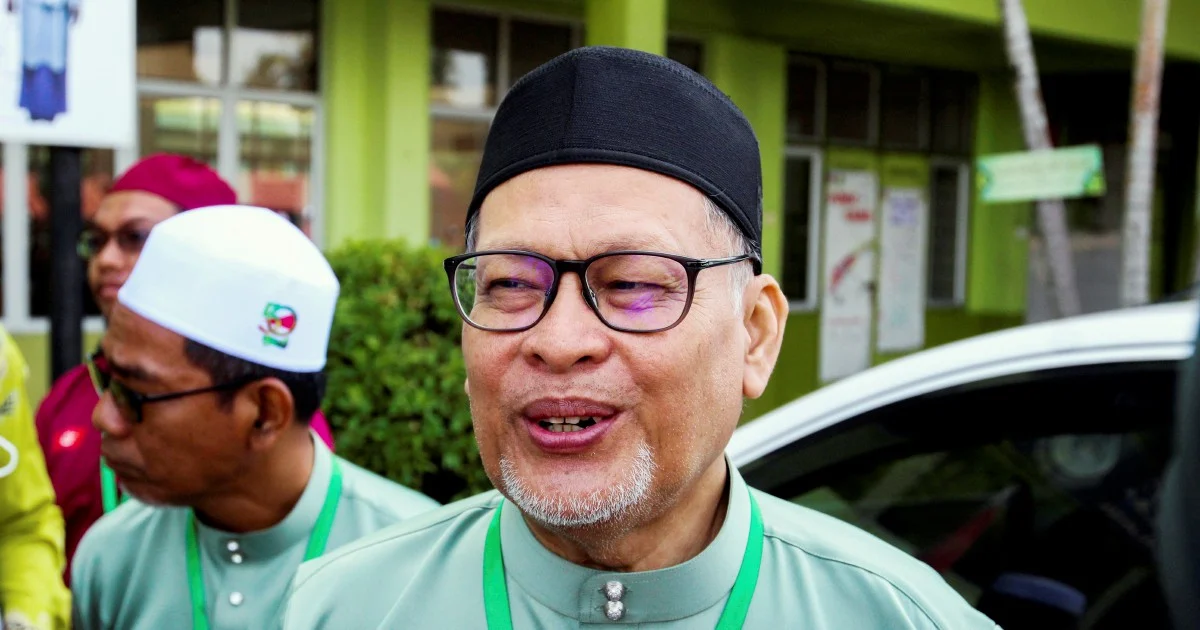
PAS has convened a meeting in Kota Baru this afternoon to address the outstanding question of a Bersatu executive councillor position within the Kelantan state administration, marking the latest development in the fallout between the two Malay-Muslim parties following their decision to end cooperation.
The gathering represents a critical juncture for the Kelantan government's administrative structure at a time when political realignments across Malaysia's northern states are reshaping coalition dynamics. The executive council post in question has become a focal point of negotiation as both parties disengage from their previous alliance arrangement, raising questions about portfolio distribution and representation within the state administration.
This development comes amid broader shifts in Malaysia's political landscape, where partnerships between component parties of governing coalitions have proven increasingly fragile. The dissolution of PAS and Bersatu's cooperative framework signals deeper ideological and strategic differences that extend beyond their shared Islamic credentials and traditional voter base among rural and semi-urban Malay communities.
Kelantan, as one of Malaysia's traditionally PAS-dominated states, represents a crucial testing ground for how such separations unfold in practice. The state government structure and the allocation of ministerial and executive council positions carry significant weight in determining resource distribution, policy implementation, and the balance of political influence within the administration. The contested executive councillor role therefore touches on substantive governance issues beyond mere political optics.
The timing of this meeting underscores the practical urgency of resolving such matters before administrative confusion or governance gaps emerge. With executive councillors holding responsibility for specific state portfolios and development initiatives, clarity on these positions is essential for effective service delivery to Kelantan's residents.
For Bersatu, the loss of an executive council seat represents a tangible diminution of its institutional presence within a key state administration. As a younger party seeking to establish legitimacy and influence beyond its initial stronghold in Pahang, such positions served as visible markers of its political weight and capacity to deliver benefits to its supporters.
The meeting agenda encompasses several matters beyond the executive council position, indicating that PAS is using this gathering to address multiple dimensions of the relationship's dissolution. Such comprehensive review meetings are typical when political partnerships unwind, as parties seek to establish clear boundaries, retrieve resources, and reorder internal and external relationships to reflect the new reality.
Observers in Malaysian political circles are paying close attention to how these negotiations proceed, particularly whether the separation occurs smoothly or devolves into public acrimony that could damage both parties' standing. The manner in which these post-alliance adjustments are handled can significantly influence political relationships in the broader Perikatan Nasional framework and within the federation's Malay-Muslim political ecosystem.
The Kelantan situation also carries implications for how other state administrations might handle similar disentanglements if coalition partnerships elsewhere follow similar trajectories of breakdown. Precedents established in how portfolios are redistributed and how executive power is reconfigured during such transitions can influence negotiations in other jurisdictions.
For Malaysian voters and observers, these internal party manoeuvres highlight the complexities of coalition governance and the challenges of maintaining stable political alliances based on institutional arrangements rather than deep ideological or programmatic cohesion. The executive councillor position, while appearing technical, embodies these larger tensions within Malaysia's plural political system.
As PAS proceeds with its internal deliberations, the party faces broader questions about its political direction and whether ending cooperation with Bersatu represents a recalibration toward other alignments or a strategic repositioning ahead of future electoral contests. How the party manages this transition period, including resolution of administrative matters like the executive council position, will shape perceptions of its institutional stability and negotiating capability.

%22%2F%3E%3C%2Fpattern%3E%3C%2Fdefs%3E%3Crect%20width%3D%22100%25%22%20height%3D%22100%25%22%20fill%3D%22url(%23ph40buhg)%22%2F%3E%3Crect%20width%3D%22100%25%22%20height%3D%22100%25%22%20fill%3D%22url(%23ph40buhp)%22%2F%3E%3Ctext%20x%3D%2250%25%22%20y%3D%2250%25%22%20text-anchor%3D%22middle%22%20dominant-baseline%3D%22central%22%20fill%3D%22rgba(255%2C255%2C255%2C0.95)%22%20font-family%3D%22Georgia%2C%20'Times%20New%20Roman'%2C%20serif%22%20font-weight%3D%22700%22%20font-size%3D%22320%22%20letter-spacing%3D%22-0.02em%22%3EGRS%3C%2Ftext%3E%3C%2Fsvg%3E)