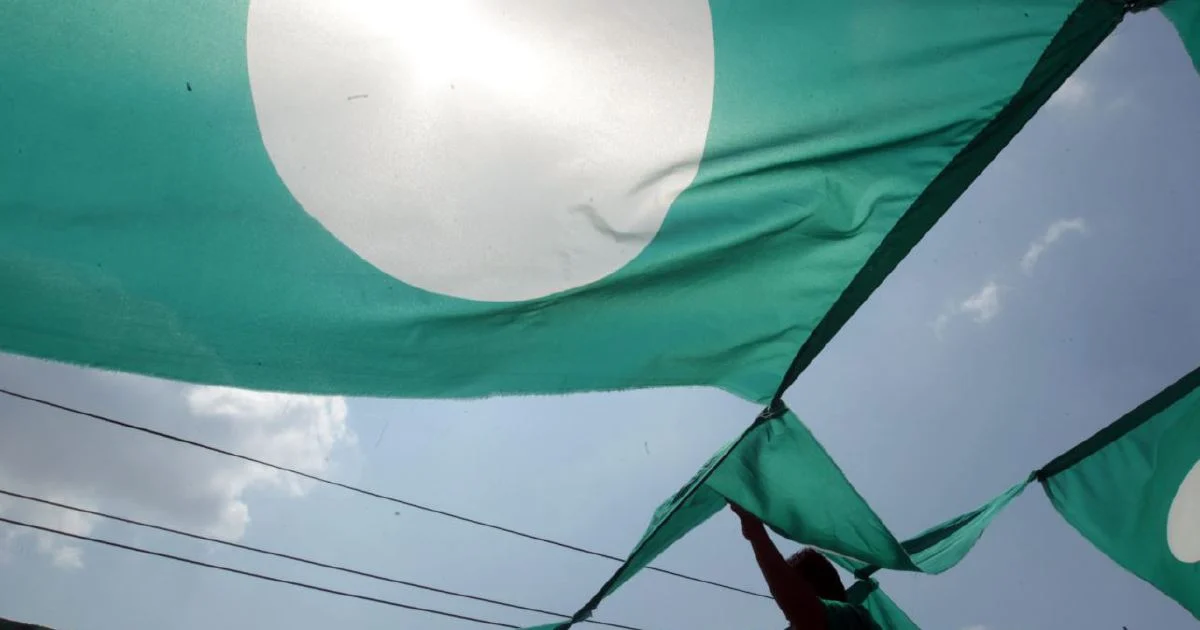
The leadership of the Pan-Malaysian Islamic Party convened at its headquarters along Jalan Raja Laut in Kuala Lumpur on Tuesday for a crucial opposition members of parliament pre-council meeting, a move that underscores mounting friction within Malaysia's coalition government. The gathering of senior party officials reflects growing concerns among PAS hierarchy regarding the trajectory of their partnership with the Perikatan Nasional-aligned Bersatu, a tension that threatens to reshape the political landscape ahead of potential government restructuring.
The timing of this meeting carries significance beyond routine party business. Coming amid reports of deteriorating relations between the two major components of the current administration, the assembly signals that PAS is preparing its parliamentary members for conversations about policy direction and coalition strategy. Such pre-council sessions typically precede formal party positions on contentious matters, suggesting the opposition caucus expects to address substantive disagreements with their government partners.
PAS has historically served as a stabilising force within Malaysian coalition arrangements, but the party's dual positioning—maintaining significant parliamentary representation while cultivating ties across the political spectrum—has occasionally created awkward dynamics. The current rift with Bersatu appears to revolve around competing visions for governance priorities and resource allocation, issues that directly affect how government policies are implemented at both federal and state levels.
The relationship between these two Islamic-leaning parties has been complicated by overlapping constituencies and differing organisational philosophies. Bersatu, a newer political entity, has pursued an agenda focused on strengthening Malay-Muslim political positioning, while PAS, rooted in longstanding grassroots networks particularly in the northern states, has emphasised communal welfare and religious governance. These philosophical differences have occasionally surfaced in cabinet deliberations and parliamentary voting patterns.
For Malaysian political observers, the significance of this meeting extends beyond internal party mechanics. The strength of the ruling coalition depends substantially on PAS maintaining cohesion with its partners, particularly as the government navigates complex legislative priorities and prepares for eventual electoral contests. A sustained deterioration in PAS-Bersatu relations could force government leadership to intervene diplomatically or risk losing parliamentary stability.
The opposition pre-council framework serves several practical purposes within PAS's internal structure. It allows opposition-designated members of parliament to coordinate messaging, prepare amendments to government bills they may not fully support, and strategise around contentious parliamentary votes. By convening this body now, PAS leadership is essentially preparing its representatives for potential scenarios where coalition discipline might be tested.
Regional implications of this Malaysian coalition tension are noteworthy for Southeast Asian politics more broadly. Malaysia's government stability influences economic confidence and investor sentiment across the region, making internal political friction a matter of concern for trading partners and neighbouring governments. Additionally, Malaysia's experience managing coalition politics offers lessons—both positive and cautionary—for other democracies in the region juggling multiple political parties with distinct ideological commitments.
The Bersatu situation has been further complicated by generational and succession questions within the party. Recent leadership transitions and policy pronouncements from Bersatu have occasionally surprised coalition partners, creating situations where PAS finds itself publicly managing expectations about government positions. This dynamic has likely prompted PAS to strengthen internal coordination mechanisms and ensure its parliamentary bloc remains unified on key matters.
Historically, PAS has demonstrated flexibility in navigating coalition arrangements, having served in governments with ideologically diverse partners. However, each such arrangement has tested the party's ability to maintain internal coherence while serving broader coalition objectives. The current tensions suggest that this delicate balance is being strained, prompting the leadership to reinforce messaging discipline among its parliamentary contingent.
The practical effect of these tensions ripples through multiple government agencies and policy-making bodies where both parties' appointees exercise influence. Areas ranging from religious affairs administration to economic policy implementation may experience friction if coalition partners pursue divergent approaches to shared responsibilities. The pre-council meeting allows PAS to establish clearer guidelines for how its representatives should navigate such situations.
Looking forward, the outcome of this meeting will likely shape how vigorously PAS pursues its policy agenda within coalition discussions and parliamentary debates. Should the rift with Bersatu widen substantially, PAS might increasingly assert independent positions on matters it considers essential to its political identity, potentially complicating government legislative programs or requiring cabinet-level negotiations to resolve differences.
The broader political context suggests that Malaysian coalition government is entering a period of heightened internal negotiation and potential realignment. The health of government depends on managing such tensions through dialogue and compromise rather than allowing friction to escalate into public confrontations that erode institutional stability. How PAS and Bersatu navigate this period will significantly influence whether the current governing arrangement can function effectively through its remaining term.

%22%2F%3E%3C%2Fpattern%3E%3C%2Fdefs%3E%3Crect%20width%3D%22100%25%22%20height%3D%22100%25%22%20fill%3D%22url(%23ph40buhg)%22%2F%3E%3Crect%20width%3D%22100%25%22%20height%3D%22100%25%22%20fill%3D%22url(%23ph40buhp)%22%2F%3E%3Ctext%20x%3D%2250%25%22%20y%3D%2250%25%22%20text-anchor%3D%22middle%22%20dominant-baseline%3D%22central%22%20fill%3D%22rgba(255%2C255%2C255%2C0.95)%22%20font-family%3D%22Georgia%2C%20'Times%20New%20Roman'%2C%20serif%22%20font-weight%3D%22700%22%20font-size%3D%22320%22%20letter-spacing%3D%22-0.02em%22%3EGRS%3C%2Ftext%3E%3C%2Fsvg%3E)