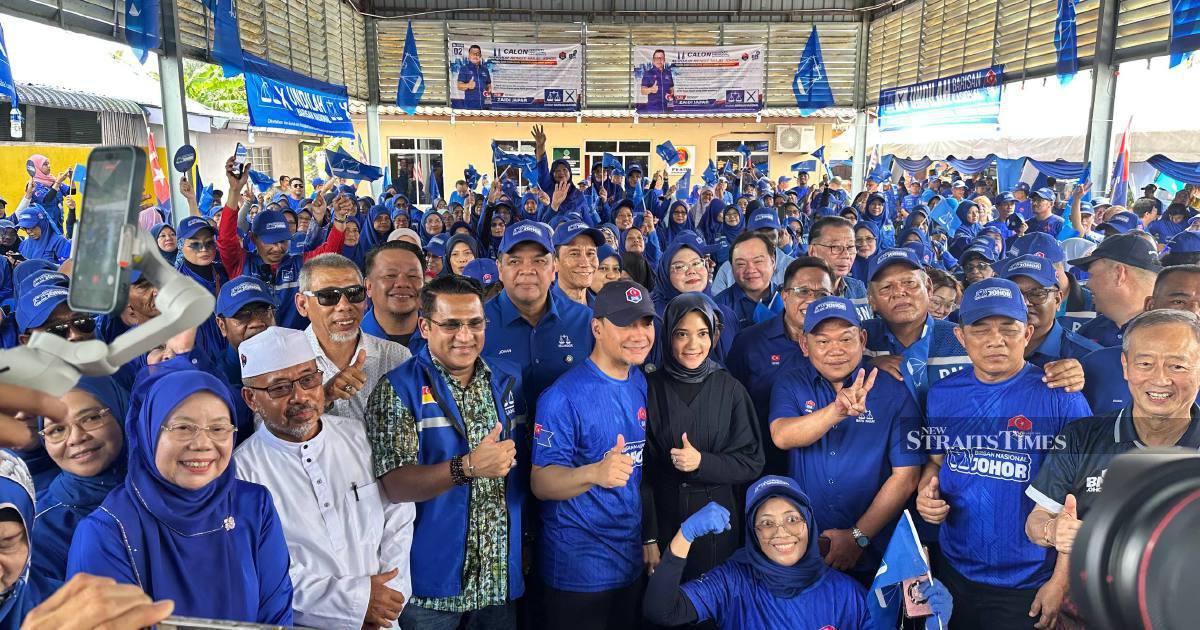
The attendance of two Pas division leaders at a Barisan Nasional gathering in Batu Pahat offers a window into the evolving political landscape surrounding the forthcoming Johor state election. The presence of these senior party figures at the event reflects deliberate efforts to deepen cooperation between Umno and other Malay-centric political organisations, marking a potentially significant development in pre-election coalition positioning.
The Batu Pahat meeting represents more than a routine political gathering. Such events typically serve as platforms for demonstrating unity among allied parties, and the participation of Pas representatives underscores an apparent willingness to coordinate more closely with Umno-dominated structures. For political observers tracking Johor's trajectory, the symbolic importance of cross-party attendance cannot be understated, particularly given the historical tensions and periodic realignments that have characterised the relationships between Malaysia's Malay-Muslim political movements.
Pas and Umno have experienced a complex relationship, with both ideological differences and pragmatic considerations shaping their interactions across multiple electoral cycles. The party's decision to field representatives at a Barisan Nasional event suggests that practical considerations around electoral viability and resource allocation may currently be outweighing factional considerations. For Malaysian voters, especially those in Johor, such signals often precede formal announcements regarding seat allocations, campaign strategies, and governing arrangements.
The timing of this engagement is particularly noteworthy given that the election cycle is entering its final month before polling. Political parties typically crystallise their campaign messages and electoral arrangements during this period, making this gathering potentially indicative of broader consensus-building efforts. In Johor specifically, where Umno has traditionally held significant influence, the cultivation of broader Malay-based party support could prove strategically valuable for Barisan Nasional's electoral prospects across multiple constituencies.
Regional political analysts have long observed that Johor state elections carry particular weight in shaping national coalition politics. The state's economic importance, its sizeable population, and its role as a traditional Umno stronghold mean that electoral outcomes there can influence calculations and confidence levels across the broader Malaysian political ecosystem. Pas's engagement with Barisan Nasional structures in this context therefore carries implications extending beyond local district politics.
The broader context of Malay-Muslim party dynamics in Malaysia remains fractured along multiple dimensions. While Umno leads Barisan Nasional, Pas has carved out significant electoral territory, particularly in rural and semi-urban areas where Islamic political messaging resonates strongly with voters. The decision by Pas division leaders to participate in this Batu Pahat event suggests that neither party views the other as a primary electoral competitor in this particular electoral battleground, or alternatively, that both organisations have calculated mutual benefit from coordinated messaging and campaign efforts.
For Malaysian voters and political observers, such inter-party cooperation raises questions about the substantive policy differences and ideological distinctiveness that voters might expect from competing political organisations. The willingness of parties that have previously contested vigorously to coordinate at this level reflects the pragmatic calculations that increasingly define contemporary Malaysian politics, where coalition formation and strategic positioning often take precedence over ideological consistency.
The implications for Johor's governance should the Barisan Nasional alliance succeed in the election would likely include closer policy alignment between Umno and Pas-held portfolios, smoother legislative passage for government initiatives, and potentially a unified messaging strategy on matters affecting the Malay-Muslim majority electorate. These arrangements typically yield more stable state administrations than fragmented oppositions, though they may limit the policy diversity that competitive electoral environments otherwise generate.
For Southeast Asia's broader perspective, Malaysia's ongoing coalition dynamics remain instructive. The region's various democracies continually grapple with balancing ideological coherence against pragmatic governance, and Malaysia's experience—where religious-nationalist parties, secular-nationalist parties, and component parties representing specific communities must find working arrangements—demonstrates both the possibilities and challenges of such accommodation. The Johor event exemplifies how local electoral contests connect to these larger questions about democratic governance and political competition in religiously and ethnically complex societies.

