The leadership structure of Malaysia's parliamentary opposition has received formal institutional recognition as Dewan Rakyat Speaker Tan Sri Dr Johari Abdul confirmed receipt of official notification regarding Larut MP Datuk Seri Hamzah Zainudin's designation as opposition leader. The confirmation comes ahead of the chamber's reconvening on June 22, marking a significant moment in the ongoing reshuffling of the country's political alignments and parliamentary dynamics.
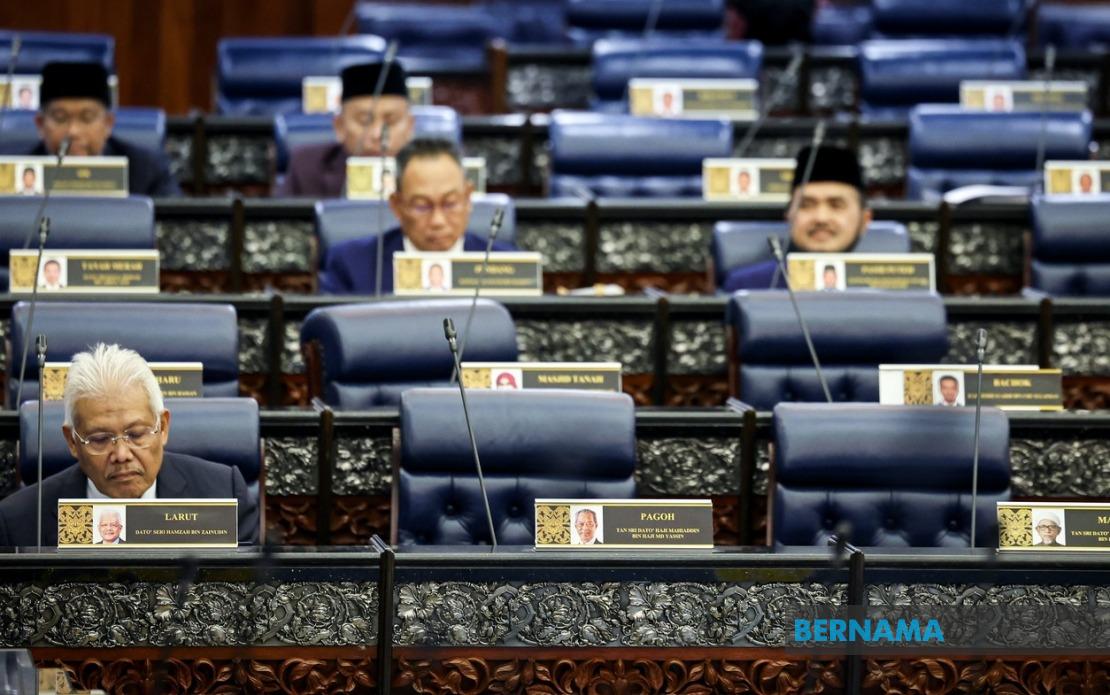
Parliament's physical layout will undergo several notable adjustments when MPs return for the Second Meeting of the Fifth Session of the 15th Parliament, which runs through mid-July. These changes extend beyond simple administrative rearrangement, signalling broader shifts in coalition positioning and individual political standing within the chamber. The Speaker indicated that multiple parliamentarians will occupy new seats, reflecting either requests for reassignment or adjustments mandated by parliamentary procedure.
Most prominently, Pagoh MP and Bersatu president Tan Sri Muhyiddin Yassin requested relocation to a different section of the parliamentary chamber. According to the Parliament website's latest seating allocation as of mid-June, Muhyiddin has been relocated to Block E, a move that underscores possible adjustments to his political positioning or personal preference regarding his presence in the chamber. The circumstances surrounding such a request merit scrutiny, as senior opposition figures occasionally seek modified seating to reflect changed circumstances or to make tactical parliamentary statements through physical placement.
Hamzah's position as opposition leader, meanwhile, remains anchored to the front bench on the opposition side of the chamber, where parliamentary convention reserves space for the leader of the opposition. He continues to sit alongside Kemaman MP and Perikatan Nasional chairman Datuk Seri Dr Ahmad Samsuri Mokhtar, a seating arrangement that underscores the close working relationship between these two significant figures within the multi-party opposition coalition. This proximity carries symbolic weight, indicating cooperation between their respective political blocs and movements.
The formality of the Speaker's confirmation reflects parliamentary procedures that require official documentation before legislative roles receive institutional sanction. The receipt of a notification letter regarding Hamzah's status represents the completion of procedural steps necessary for him to exercise opposition leader functions within the chamber. Such formal recognition carries practical implications for parliamentary privilege, question time allocation, and speaking rights within debates—privileges that depend upon official designation.
Hamzah's assumption of the opposition leader role represents the culmination of political manoeuvres within Malaysia's fractious opposition landscape. PAS president Tan Sri Abdul Hadi Awang publicly announced during the recent Reset Malaysia Convention that Hamzah had resumed his duties in this capacity, providing the initial public signal before formal parliamentary processes caught up. The interval between Hadi's announcement and the Speaker's confirmation reflects the time required for bureaucratic procedures within Parliament to process and formally acknowledge such designations.
For Malaysian politics, the confirmation of Hamzah's leadership role signals clarification of opposition hierarchy at a time when multiple political parties compete for influence within Parliament's minority benches. The opposition comprises diverse groupings with sometimes competing interests, and the elevation of any single figure to the position of leader carries implications for how parliamentary scrutiny operates and how dissent gets articulated. Hamzah's background and political trajectory position him as a bridge figure between different opposition constituencies.
The parliamentary sitting calendar running through mid-July will occupy a critical period for government business and opposition oversight. With clear designation of opposition leadership and revised seating arrangements in place, the chamber can function with established hierarchies and protocols. This clarity proves essential for the orderly conduct of parliamentary proceedings, particularly during legislative debates where question of order and parliamentary privilege frequently arise and require consistent interpretation.
The significance of these developments extends beyond Parliament House. Opposition leadership confirmation matters for external political communications, media relations, and the articulation of alternative policy positions to the government. When opposition leaders lack clear institutional recognition, their ability to speak authoritatively for their coalition diminishes. Hamzah's formal confirmation strengthens his standing when engaging with the media, civil society, and the broader electorate regarding opposition policy perspectives.
For the Bersatu party specifically, Muhyiddin's seating change may reflect broader repositioning within the party's parliamentary strategy or his personal standing within the opposition coalition. The Pagoh MP remains a significant figure commanding considerable support within his party, yet movements such as seat relocation can signal either tactical adjustments or responses to changed circumstances within the opposition's complex power dynamics. The request's voluntary nature suggests deliberate choice rather than imposed reorganisation.
The Malaysian opposition landscape has undergone substantial transformation in recent years, with multiple reconfigurrations of coalition arrangements and leadership designations. The clearer framework now emerging, with formally confirmed opposition leadership and rationalised seating, provides structure to this complex political terrain. However, the diversity of opposition parties—spanning Islamist, secular, and multiethnic blocs—means that while Hamzah's leadership carries formal weight, actually uniting these disparate groups behind cohesive parliamentary strategies remains an ongoing challenge.
Looking ahead, the June 22 reconvening of Parliament with these new arrangements represents a restart point for opposition accountability and scrutiny operations. How effectively Hamzah and his coalition utilise their parliamentary platform to hold government accountable, advance alternative policy agendas, and build public support will determine whether this formalisation of leadership proves substantive or merely procedural. The seating changes and leadership confirmations create the framework; what actually transpires within Parliament's chamber will test the substance of these institutional recognitions.