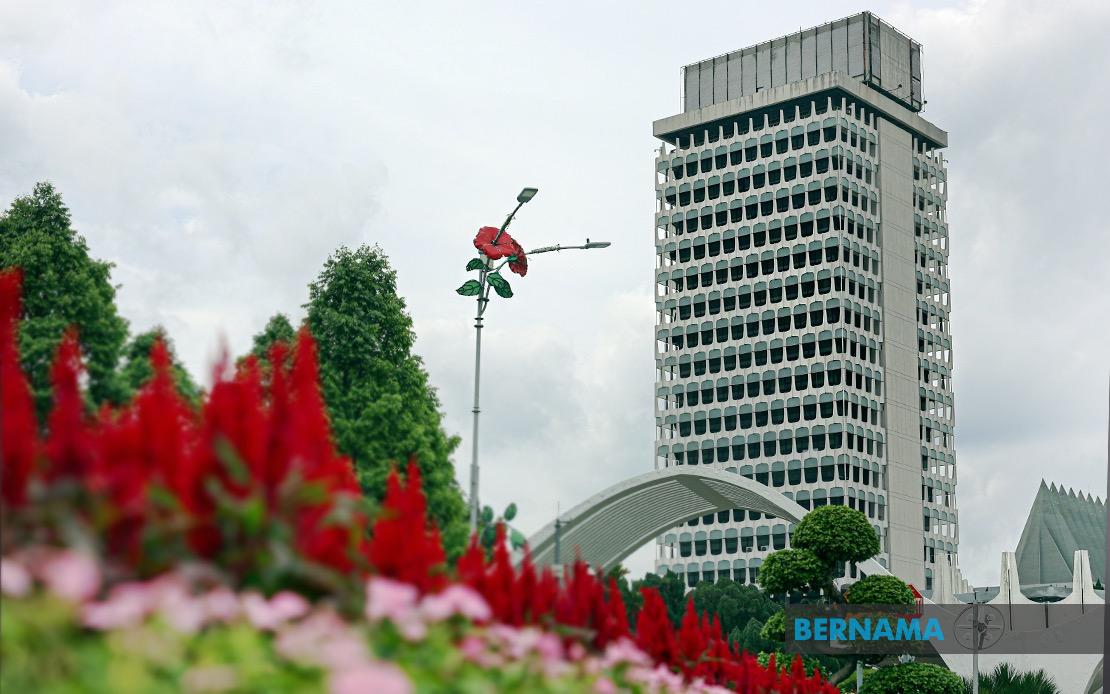
Malaysia's legislature will reconvene on Monday for the Second Meeting of the Fifth Session of the 15th Parliament, bringing with it a crowded agenda of constitutional reforms and legislative overhauls that carry significant implications for the country's governance structure and public safety frameworks. The sitting, scheduled to run through July 16, will place particular emphasis on measures that failed to gain sufficient support during previous parliamentary sessions, suggesting renewed efforts to build consensus on contentious issues that divide both government and opposition benches.
Among the most substantial proposals returning to the floor are two constitutional amendment bills that previously stalled in the chamber. The Constitution (Amendment) Bill 2026 seeks to impose a 10-year ceiling on the prime minister's tenure, a measure intended to introduce structured transitions in executive leadership and prevent indefinite incumbency. This proposal carries considerable weight beyond its immediate practical implications, as it reflects broader debates within Malaysia's political establishment about power concentration and democratic renewal. The failure to achieve a two-thirds supermajority during the first session underscores the divisive nature of executive constraints, with various parliamentary factions holding divergent views on whether such limits strengthen or weaken governance.
Equally significant is the Constitution (Amendment) Bill (No. 2) 2026, which proposes to disaggregate the dual roles of the Attorney General and Public Prosecutor into separate offices. This institutional restructuring would fundamentally alter Malaysia's prosecutorial framework, potentially introducing greater independence in criminal prosecution decisions. The bill's referral to the Parliamentary Special Select Committee during the first session indicates that lawmakers recognized the need for deeper scrutiny of its implications for the justice system's operations. The separation principle has long been debated among legal scholars and civil society advocates who argue that consolidating these roles can create conflicts of interest, particularly in politically sensitive cases.
Beyond constitutional matters, the sitting will address practical road safety concerns through amendments to the Road Transport Act 1987. Transport Minister Anthony Loke has emphasized that the proposed changes, encompassing 11 distinct areas across 42 clauses, are designed to combat illegal street racing and organized motor syndicates that continue to endanger road users. The amendments represent a multi-faceted enforcement approach, introducing stricter penalties for dangerous driving behavior while simultaneously strengthening institutional capacity to detect and prosecute offenders. Of particular concern to authorities are the so-called 'tonto' syndicates—organized racing groups that operate on public roads—which have inflicted casualties and property damage across Malaysian cities and highways. This legislation signals a heightened commitment to road user protection, addressing public anxieties that have grown as incidents of illegal racing appear increasingly frequent.
The cybercrime legislation expected to feature during the session reflects Malaysia's ongoing efforts to modernize its digital security frameworks in response to evolving threats in the online environment. As cyber incidents become more sophisticated and economically consequential, both state and private sectors have called for updated legal tools to combat malicious digital activities. The precise contours of the Cybercrime Bill 2026 remain subject to parliamentary consideration, but its inclusion on the agenda demonstrates recognition that Malaysia's digital economy requires robust protective legislation.
A secondary but notable concern animating the sitting involves Malaysia's exposure to global energy market disruptions stemming from West Asian geopolitical tensions. The ongoing conflict in the region has reverberated through international supply chains, creating uncertainties for energy-importing nations like Malaysia. Parliamentary discussions on this theme will likely focus on mitigation strategies, energy security planning, and economic resilience measures. For Malaysian readers and businesses dependent on stable energy costs, these deliberations carry direct relevance to inflation patterns and industrial competitiveness.
Dewan Rakyat Speaker Tan Sri Johari Abdul has issued guidance emphasizing that lawmakers must prioritize substantive debate grounded in empirical evidence and rigorous policy analysis rather than rhetorical posturing or partisan point-scoring. His remarks signal concern that parliamentary proceedings occasionally devolve into performative exchanges disconnected from practical problem-solving. By appealing for fact-based discourse, the speaker implicitly acknowledges tensions within the chamber and the need to elevate deliberative standards. His emphasis on addressing cost-of-living pressures, educational outcomes, healthcare quality, employment generation, and community welfare reflects public anxieties that transcend partisan divides.
The timing of this parliamentary session coincides with the Johor State Election, creating potential complications for parliamentary attendance and focus. The speaker's specific reminder that MPs must not exploit the Dewan Rakyat for partisan electioneering, and his insistence on full attendance despite competing political commitments, reflects institutional concerns about maintaining legislative functionality during election cycles. This dual-track political activity has historically created tensions between national legislative responsibilities and state-level political pressures, and the speaker's warnings suggest he anticipates such challenges.
For Malaysian observers, this sitting represents a critical juncture in determining whether constitutional governance structures will be reformed, whether institutional independence will be strengthened through prosecutorial separation, and whether public safety can be enhanced through modernized road legislation. The passage or failure of these measures will shape Malaysia's political evolution and public administration for years to come. The willingness of different parliamentary factions to engage constructively on these issues will serve as an important barometer of legislative functionality and cross-party cooperation capacity.
The upcoming Dewan Negara sitting, scheduled for July 20 through August 4, will provide a second chamber venue for reviewing bills approved by the lower house and potentially raising additional constitutional or policy concerns. This two-stage parliamentary process ensures that significant legislation receives scrutiny from both elected and appointed legislators, though it also extends the timeframe for reaching final resolution on contentious matters.
The success of this parliamentary session ultimately depends on whether lawmakers can navigate substantive disagreements while maintaining institutional respect and forward momentum. The presence of both constitutional reforms and practical legislative updates on the agenda demonstrates parliament's responsibility to address governance frameworks alongside immediate public policy concerns. As Malaysia continues to develop as a mature democracy navigating complex domestic and international challenges, the quality and deliberative character of these parliamentary proceedings will bear directly on public confidence in democratic institutions and legislative responsiveness to citizen welfare.