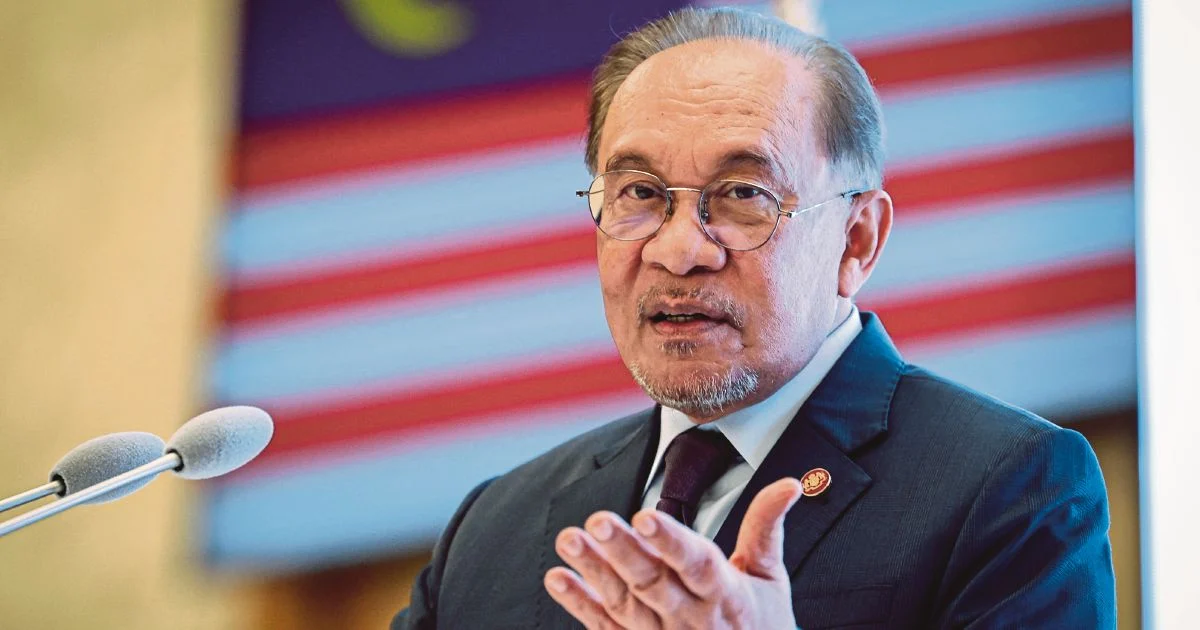
Prime Minister Datuk Seri Anwar Ibrahim has interpreted Petronas's successful bid for a significant stake in one of the world's largest gas fields in Turkmenistan as a powerful endorsement of Malaysia's standing among the international investment community. Speaking in Batu Kawan, Anwar framed the transaction as tangible evidence that global players increasingly trust Malaysia's institutional framework, political stability, and capacity to execute large-scale projects in competitive international markets.
The Turkmenistan gas venture represents a strategic expansion for Malaysia's national oil and gas champion, Petronas, which has long positioned itself as a major player in global energy markets. Such high-profile acquisitions, particularly in resource-rich nations with complex geopolitical dimensions, typically require extensive due diligence from foreign investors and significant confidence in the host country's partner capabilities. Anwar's remarks underscore how Malaysia's track record in managing complex infrastructure and energy projects has earned it recognition among sophisticated international stakeholders seeking reliable partners in the hydrocarbon sector.
The timing of this announcement carries particular significance for Malaysia's broader economic narrative. Amid global uncertainties including energy market volatility and geopolitical tensions, securing a substantial stake in a major gas field demonstrates that Malaysia remains an attractive destination for international capital and corporate investment. The deal suggests that multinational energy corporations view Petronas as a credible and capable collaborator, willing to commit resources to long-term energy development ventures alongside other global players.
From a regional perspective, this engagement in Central Asia's energy sector expands Malaysia's economic footprint beyond Southeast Asia and the Indian Ocean region, where Malaysian companies have traditionally concentrated their activities. The move reflects a deliberate strategy to diversify exposure and tap into resource-rich markets that offer growth potential. For Malaysia's energy independence and export capabilities, securing access to substantial gas reserves provides long-term strategic benefits, particularly as regional demand for energy continues to rise with economic development across Southeast Asia.
Anwar's characterisation of the deal as reflecting international confidence in Malaysia's unity holds particular resonance domestically. Political stability and national cohesion are fundamental prerequisites for attracting sophisticated international investment, and the Prime Minister's emphasis on these factors appears designed to reinforce the government's narrative around social harmony and institutional resilience. For investors conducting complex feasibility studies on major projects, political predictability and the absence of internal discord remain critical assessment criteria.
The transaction also highlights Petronas's continued ability to punch above its weight in global energy markets. As a state-owned enterprise, Petronas carries implicit backing from Malaysia's government and sovereign credit standing, which facilitates access to capital markets and partnerships with international peers. The company's acquisition of stakes in challenging environments—whether in deep-water operations or politically complex jurisdictions—has established its reputation as a technically sophisticated and operationally robust energy corporation capable of delivering results in demanding circumstances.
For Malaysian workers and the domestic economy, expansion into Central Asian energy projects creates indirect opportunities across the supply chain, from engineering consultancy to equipment manufacturing and logistics. These ventures generate demand for specialised expertise and technology that Malaysian companies can provide, supporting broader industrial development and skills enhancement across the nation's technical workforce. Energy sector partnerships often create pathways for knowledge transfer and technological advancement that benefit domestic industries for years beyond the initial project phase.
Centrally, this development reflects evolving global energy dynamics where traditional suppliers diversify partnerships and major consumers seek reliable alternative sources. Malaysia's position as a trusted intermediary with experience in managing multinational projects and balancing diverse stakeholder interests makes it valuable to countries like Turkmenistan seeking established partners for resource monetisation. The arrangement appears mutually beneficial—Turkmenistan gains access to Petronas's technical expertise and global marketing networks, while Malaysia secures long-term supply relationships and investment returns.
The broader context of Malaysia's outreach in Central Asia also warrants attention. As China's Belt and Road Initiative reshapes infrastructure and energy relationships across the region, Malaysia's independent engagement in Central Asian energy ventures demonstrates the country's capacity to pursue strategic opportunities outside dominant frameworks. Such diversification reduces economic vulnerability and expands Malaysia's strategic autonomy in a multipolar world where energy security increasingly drives geopolitical positioning.
Anwar's public emphasis on the deal's significance extends beyond the technical merits of the commercial arrangement. By highlighting international confidence in Malaysia's fundamentals, the Prime Minister appears to be addressing both foreign audiences and domestic constituencies. Internationally, the message reinforces Malaysia's credentials as a stable, credible partner. Domestically, such announcements contribute to the political narrative around effective governance and successful economic management that administrations routinely employ to consolidate public support.
Moving forward, the successful implementation of this Turkmenistan venture will likely shape Malaysia's ability to pursue similar opportunities in other resource-rich markets. Demonstration of effective project management, timely capital deployment, and profitable operations would further enhance Malaysia's reputation among energy sector investors seeking experienced partners for complex development scenarios. Conversely, any significant operational difficulties could impact Malaysia's competitive positioning in bidding for future international energy projects in contested markets.