Pakatan Harapan has formally acknowledged that the selection of Johor's next Menteri Besar remains the constitutional prerogative of the Sultan of Johor, should the opposition coalition secure victory in the upcoming state election scheduled for July 11. This pronouncement comes as speculation circulates across social media platforms linking several figures within the coalition to the coveted position, creating uncertainty about the party's succession strategy ahead of polling day.
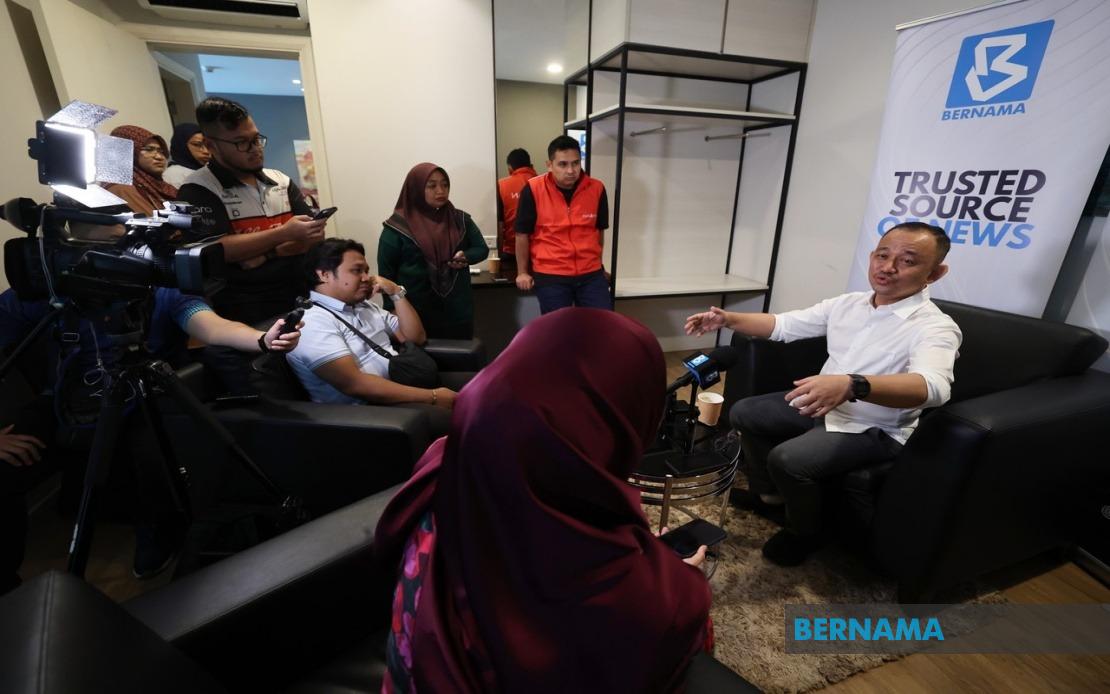
Dr Maszlee Malik, PH's candidate for the Puteri Wangsa state seat, made the clarification during an exclusive interview, seeking to dispel suggestions that the coalition has been deliberating over the matter. According to him, the party has deliberately avoided internal discussions about the Menteri Besar portfolio, a conscious decision reflecting the coalition's conviction that such determinations rest fundamentally with the Palace rather than political actors.
The constitutional framework governing Johor's governance explicitly vests the power to appoint the Menteri Besar with the reigning Sultan, a principle that Pakatan Harapan emphasises it respects unequivocally. This deference to royal prerogative distinguishes PH's approach from potential rival coalitions that might have proposed specific candidates or negotiated succession arrangements prior to the election, thereby avoiding the perception of attempting to circumvent or diminish the monarchy's institutional role.
Maszlee's statement reflects a broader strategic pivot within the coalition toward emphasising collective responsibility and team-based governance rather than concentrated leadership around individual personalities. By distancing itself from succession speculation, PH seeks to project an image of institutional discipline and constitutional propriety, qualities that resonate with Malaysian voters increasingly concerned about democratic norms and the proper functioning of constitutional arrangements.
The coalition has instead directed its campaign energies toward presenting a comprehensive slate of 56 candidates across all contested seats, each positioned as equally capable and committed to serving constituents. This decentralised messaging strategy aims to build public confidence in PH's broader capacity for governance rather than relying on the perceived charisma or track record of a single leader, a tactic that may prove particularly effective in a state where regional interests and local representation hold considerable weight.
The timing of Maszlee's clarification matters significantly, arriving just days before early voting commences on July 7 and the main poll on July 11. By settling the Menteri Besar question definitively before voters cast ballots, PH may seek to eliminate a potential source of internal party friction or public uncertainty that could otherwise undermine campaign momentum or alienate constituencies concerned about backroom dealing.
For Malaysian political observers, this moment illuminates the delicate balance political coalitions must maintain between demonstrating coherent leadership and respecting constitutional limits on their authority. Johor, as the nation's second-largest state and a traditional stronghold for the Malay-Muslim establishment, occupies particular strategic importance in national politics, making the conduct and tone of its electoral contest noteworthy beyond the state's boundaries.
The Sultan of Johor's institutional prominence has grown in recent years, particularly following the transition of royal appointments and amid broader national conversations about the role of constitutional monarchies in contemporary Asian democracies. Pakatan Harapan's explicit acknowledgment of these prerogatives may therefore be read as a calculated gesture toward respecting institutional hierarchies and demonstrating maturity in accepting limits on democratic mandates.
This framework also carries implications for how subsequent coalition governments might approach other significant appointments and policy decisions, setting a precedent for distinguishing between electoral victory and executive authority. If victorious, PH would inherit responsibility for governing a complex, ethnically diverse state where managing relationships between multiple constituencies and constitutional institutions remains perpetually challenging.
The coalition's emphasis on team leadership additionally responds to historical critiques that Malaysian politics has sometimes suffered from excessive personalisation of authority, whereby individual leaders accumulate disproportionate influence over party direction and governance priorities. By constructing a narrative around collective candidacy and shared responsibility, PH positions itself as offering an alternative model of political organisation aligned with modern expectations of institutional stability.
As the election approaches, the question of who ultimately becomes Menteri Besar will remain deliberately unresolved from the coalition's perspective, with that decision genuinely dependent on post-electoral calculations and royal consultation. This uncertainty, while potentially frustrating to party cadres with leadership aspirations, serves the strategic purpose of maintaining party unity during the campaign phase and preserving maximum flexibility for post-election negotiations with the Palace.

