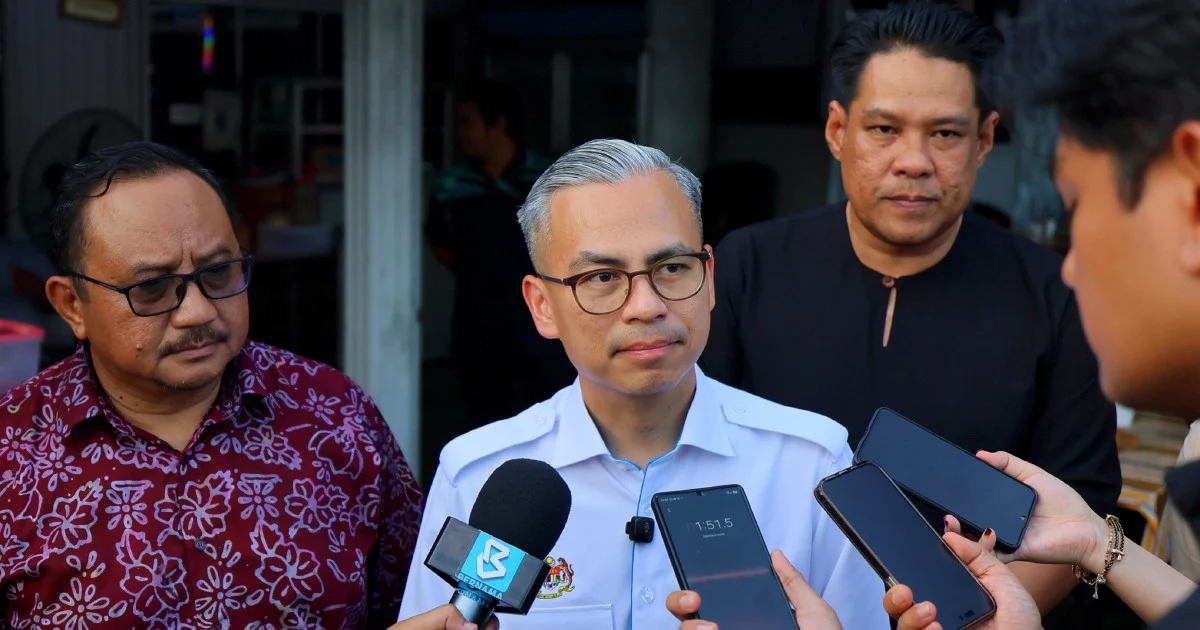
Pakatan Harapan is preparing to deploy a multifaceted campaign strategy for the impending Johor state election, combining the reach of digital platforms with the personal connection of on-the-ground activism. The coalition's approach signals a recognition that modern electoral contests demand proficiency across both technological and traditional channels, a lesson reinforced by recent Malaysian political developments where voters respond to varied messaging formats.
The integration of online and offline tactics reflects broader patterns emerging across Southeast Asian democracies, where political organisations increasingly recognise that reliance on any single avenue leaves crucial voter segments untouched. For Johor specifically, a state with significant rural constituencies alongside urbanised centres, such a bifurcated strategy acknowledges the demographic diversity that makes uniform campaigning ineffective. Digital platforms allow rapid deployment of messaging to tech-savvy urban audiences, while traditional canvassing maintains the personal relationships that remain influential in communities less dependent on social media.
Pakatan Harapan's willingness to publicly articulate this strategy underscores a shift in Malaysian political discourse where campaign methodology itself has become a legitimate subject of public discussion. Prior to recent electoral cycles, such operational details remained largely internal; their disclosure now suggests either greater transparency or an attempt to shape narratives around campaign sophistication and voter engagement. This openness may also reflect the coalition's assessment that voters increasingly value parties demonstrating organised, coherent approaches to reaching them across multiple platforms.
The timing of this dual-track announcement carries significance for Malaysian politics more broadly. Johor has historically been a stronghold of other coalitions, and any gains by Pakatan Harapan would represent meaningful shifts in state-level dynamics. A campaign that successfully penetrates both online and traditional spaces would need to address distinct voter concerns; younger voters might respond to messaging about economic opportunity and governance reform via social media, while established community networks accessed through ground presence often prioritise infrastructure, religious affairs, and local services. Synthesising these different priorities demands sophisticated campaign architecture.
Digital campaigning in Malaysia presents distinct opportunities and constraints. Social media platforms offer cost-efficient reach, particularly valuable for a coalition that may face resource limitations against entrenched competitors. However, algorithmic amplification means messages risk reaching primarily ideologically-aligned audiences, creating echo chambers that may inflate perceptions of support. Ground campaigns, conversely, force direct engagement with skeptical or undecided voters, though they consume considerably more personnel and time. Pakatan Harapan's integrated model attempts to harness the efficiency of digital tools while maintaining the persuasive potential of face-to-face interaction.
The coalition faces distinct challenges in each campaign channel. Online, it must contend with rivals equally versed in social media strategy, misinformation dynamics that accelerate across platforms, and the attention economy where viral moments often matter more than detailed policy exposition. Messages require constant refreshment to maintain visibility and relevance, demands that strain organisational capacity. Ground operations encounter different obstacles: voter fatigue from repeated campaign approaches, geographical constraints in reaching dispersed populations, and the physical demands on party volunteers. Successfully managing both simultaneously requires institutional coordination that not all political organisations maintain.
For Malaysian voters, this campaign approach may signal evolving standards for political engagement. Those accustomed to encountering candidates through social media or news feeds may now anticipate direct contact as part of comprehensive campaigns. Conversely, voters preferring traditional contact methods might find themselves targeted via platforms they do not actively monitor. This mismatch points to ongoing questions about electoral equity: does a genuinely integrated campaign truly serve all voters, or does it risk advantages for those fluent in navigating both digital and physical spaces? The outcome in Johor could establish templates that other coalitions and states adopt or adapt.
Regionally, Pakatan Harapan's strategy reflects patterns evident across ASEAN democracies where political organisations increasingly recognise that digital-native strategies alone prove insufficient. Thailand, Indonesia, and the Philippines have all witnessed campaigns where integrated approaches outperformed those relying predominantly on either online or traditional methods. For Malaysia, learning from these regional experiences while adapting to local conditions remains crucial; what succeeds in Jakarta's polarised environment may require modification for Johor's particular political ecology.
The coalition's capacity to execute this dual strategy effectively will likely determine not merely Johor's outcome, but also whether Pakatan Harapan establishes itself as a campaign innovator in Malaysian politics. Other states and coalitions will observe the model's effectiveness. If the approach generates meaningful engagement and electoral returns, rivals will rapidly emulate it; if it proves inefficient or produces suboptimal results, it will be abandoned in favour of focused investment in whichever channel delivers superior performance. The Johor campaign thus functions as a test bed for Malaysian political strategy in an era where campaigns must operate seamlessly across physical and digital terrain.

