Pakatan Harapan is adopting a guarded stance as it prepares for the Johor state election, particularly in the 23 constituencies where its rival Perikatan Nasional has chosen not to contest. The coalition's cautious approach reflects deeper anxieties about unpredictable voter behaviour in a fragmented political landscape where opposition supporters might reallocate their votes in unexpected directions.
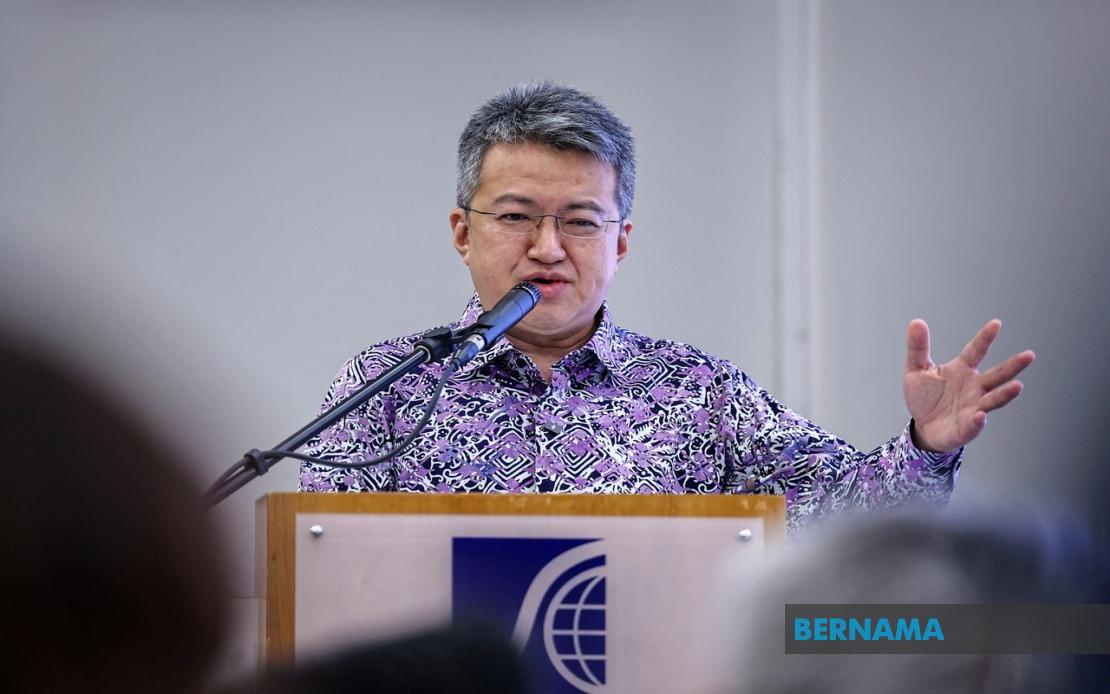
DAP Strategic Director Liew Chin Tong outlined the coalition's central worry: whether PN backers will redirect their support elsewhere once their party exits the field. This concern carries real weight in marginal seats where victory margins often hinge on a handful of votes. Should PN voters coalesce behind Barisan Nasional or other contenders, the arithmetic could shift decisively against PH candidates, particularly those from DAP who have traditionally performed well in urban and suburban areas across Johor.
As Deputy Finance Minister, Liew framed the challenge as inherent to electoral competition itself. Every campaign carries unpredictable dimensions that strategists struggle to anticipate, he noted. The uncontested seats therefore present a dual-edged scenario: on one hand, PN's absence removes a significant challenger that might have split the opposition vote; conversely, the sudden availability of PN voters creates a vacuum whose political allegiances remain genuinely uncertain. This ambiguity forces PH to wage more intensive grassroots campaigns and to sharpen its messaging to retain voters who might otherwise drift towards other parties.
To counter such risks, Liew stressed that PH's defence rests on constant vigilance, energetic campaigning, and compelling policy proposals. The coalition must work to convince voters that their platform deserves trust and delivers tangible benefits. This formulaic response, while standard political rhetoric, underscores the defensive posture PH has adopted rather than a position of confident momentum heading into the July 11 polling day.
The coalition has fielded what it describes as a slate of young and capable candidates tailored to each constituency. This generational refresh aligns with broader efforts across Malaysian opposition parties to rebrand themselves as forward-looking alternatives to entrenched ruling coalitions. The strategy acknowledges that Johor voters, particularly younger demographics, may respond to candidates perceived as modern and engaged rather than to established figures seen as relics of earlier political epochs.
Liew's own decision not to defend his Perling seat exemplifies DAP's stated commitment to preventing elected officials from simultaneously holding parliamentary and state assembly positions. This principle aims to reduce the concentration of power and ensure that representatives focus their energies on either the national or state level. Perling, with 109,992 registered voters, represents a significant prize in metropolitan Johor, and handing it to new talent signals DAP's confidence in its succession planning.
Former Senai assemblyman Alan Tee Boon Tsong has inherited the Perling candidacy from Liew. The seat will witness a three-way contest pitting Tee against Barisan Nasional's P. Pannir Selvam and Boo Wei Han representing Parti Bersama Malaysia. This triangular matchup mirrors a broader pattern in contemporary Malaysian politics, where the traditional two-coalition framework has fractured into a more complex multi-polar competition. Johor's electoral terrain has become more volatile as smaller parties and splinter groups vie for voter attention, making seat outcomes less predictable than in previous election cycles.
The timing of this Johor election matters significantly for national Malaysian politics. As one of the country's largest and most developed states, Johor carries outsized symbolic importance. A strong PH performance would bolster the federal coalition's positioning ahead of looming national elections. Conversely, substantial losses would embolden BN and suggest that PH's appeal has plateaued since the 2022 general election, which saw the coalition surge to prominence but fail to secure an outright parliamentary majority.
Voter sentiment in Johor has historically been more conservative and pragmatic than in other states, with residents often prioritising development outcomes and economic management over ideological positioning. This temperament could work against PH if the coalition cannot demonstrate concrete achievements from areas it governs elsewhere. Meanwhile, BN carries the advantage of state incumbency and deep organisational networks, though both assets face challenges from changing voter demographics and fatigue with long-incumbent parties.
The electoral calendar gives campaigners limited time to adjust their strategies. Early voting occurs on July 7, just days before the main poll on July 11, leaving little room for campaign pivots or late revelations to substantially reshape the contest. This compressed timeline increases the importance of pre-existing party machinery, voter database sophistication, and the resonance of candidates' personal brands.
For Liew and DAP more broadly, the Johor contest represents both opportunity and risk. The party has constructed a credible presence in Malaysian politics and maintains strongholds in certain constituencies, yet faces relentless competition from both BN's machinery and newer political forces. The presence of PN's 23 uncontested seats injects unpredictability into what might otherwise be a more manageable two-way fight. How Johor's voters respond to this fragmented ballot will offer valuable signals about the maturation of Malaysian electoral politics and whether voters have truly embraced a multipolar system or remain vulnerable to strategic positioning by traditional powerbrokers.

