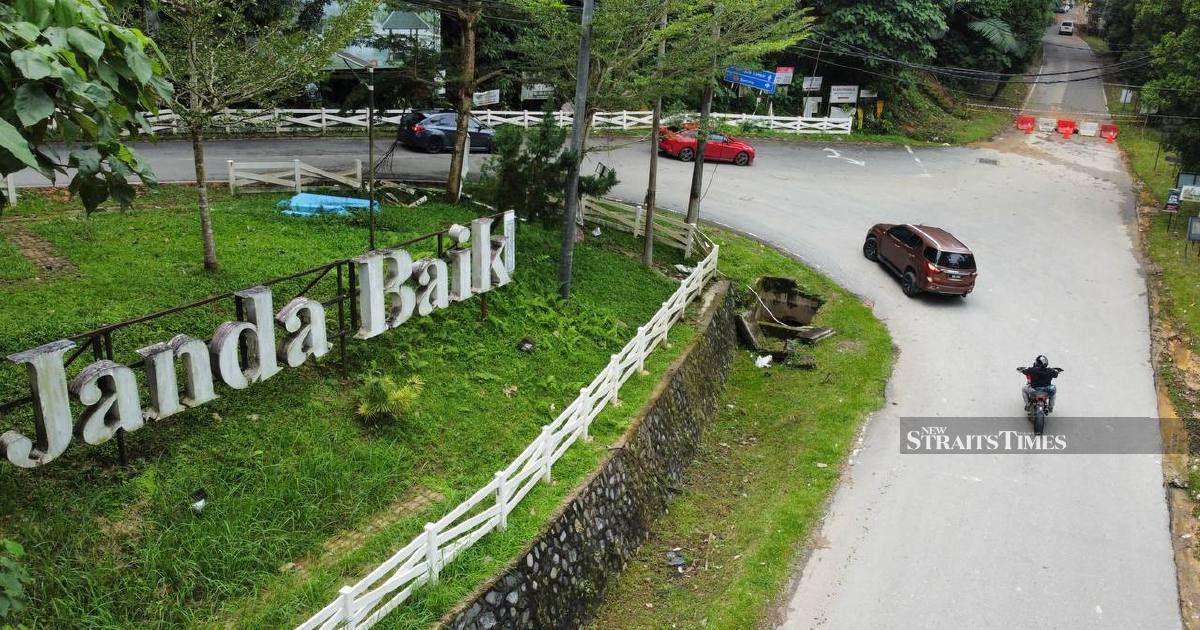
The Pahang Health Department has opened a formal investigation into allegations that several visitors contracted food poisoning following a recreational outing at a river site in the Janda Baik area near Bentong. The inquiry comes after reports surfaced that multiple individuals experienced illness symptoms subsequent to activities at the location, raising concerns about public health and safety standards at the popular tourist destination. Authorities are now examining the circumstances surrounding the reported cases to determine the cause and extent of the health episode.
Janda Baik, situated in the foothills of Pahang between Bentong and Genting Highlands, has long served as a favoured weekend retreat for families and tourists seeking natural attractions and river activities. The area draws considerable foot traffic throughout the year, with visitors drawn to its scenic rivers, waterfalls, and rustic accommodations. The recreational significance of the location makes any public health concerns particularly sensitive, as incidents could affect both visitor confidence and the livelihoods of local businesses dependent on tourism traffic.
The allegations specifically centre on individuals who engaged in bathing activities at the river during their visit. Food poisoning typically manifests through gastrointestinal symptoms and can result from contaminated water or improperly handled food items. The timing and clustering of illness cases among visitors from the same location has prompted health authorities to treat the matter with urgency, initiating interviews with affected parties and conducting preliminary assessments of the recreational area.
Investigations of this nature typically encompass multiple dimensions. Health department officials would be collecting detailed histories from affected individuals regarding their activities, dietary intake, and symptom onset timelines. Simultaneously, environmental health inspectors would be examining water quality at the bathing site, assessing sanitation facilities, and reviewing food preparation practices at any vendors or establishments operating within the recreational precinct.
Water-related illnesses in recreational settings can stem from various sources. Bacterial contamination, parasitic organisms, and chemical pollutants represent significant risk factors in natural waterways, particularly in areas subject to agricultural runoff or inadequate waste management infrastructure. The Pahang Health Department's investigation will need to determine whether the river itself presented inherent contamination risks or whether the illness cluster resulted from food consumption connected to the outing.
The incident carries implications for broader public health governance in Pahang's tourism sector. Popular recreational areas, particularly those serving as major tourist attractions, require regular monitoring and maintenance protocols to ensure visitor safety. The emergence of illness allegations suggests a need to evaluate existing oversight mechanisms and determine whether enhanced monitoring or infrastructure improvements are warranted at high-traffic sites across the state.
For Malaysia's tourism industry, individual health incidents at specific locations can generate disproportionate reputational effects, especially in an era of rapid social media dissemination. The Pahang Health Department's transparent investigation and prompt communication regarding findings will be crucial in maintaining public confidence both among domestic visitors and international tourists considering the destination. Other Southeast Asian nations have similarly experienced challenges in managing health perception issues at recreational sites, underscoring the importance of rapid, credible official responses.
The timing of this investigation occurs within a broader context of heightened attention to food safety and public health standards across Malaysia. Recent years have witnessed increased consumer awareness and regulatory focus on contamination risks, with multiple incidents drawing sustained media coverage and government response. This backdrop suggests that visitors and the public will scrutinise the health department's investigation methodology and conclusions, demanding transparency regarding any findings and corrective actions implemented.
Beyond the immediate investigation, the incident raises questions about visitor education and risk awareness. Many recreational areas, particularly those involving natural water bodies, carry inherent health risks that visitors should understand. Signage, information materials, and guidelines regarding safe swimming practices, hygiene measures, and potential hazards could enhance visitor preparedness and reduce incidence of preventable illnesses.
The Pahang Health Department's investigation outcome will likely inform policy discussions about recreational site management standards throughout the state. Should the inquiry identify specific deficiencies—whether in water quality, sanitation infrastructure, or food handling practices—authorities would need to develop remedial frameworks with appropriate timelines and resource allocation. Such measures would not only address the immediate concerns but also serve to enhance overall safety standards at other comparable recreational destinations across Pahang.
As the investigation proceeds, affected individuals remain the priority, with the health department presumably providing appropriate medical assessment and care. The department's capacity to conduct thorough, timely inquiry while maintaining transparent communication with stakeholders will significantly influence how this incident ultimately affects visitor confidence in Pahang's recreational facilities and broader perceptions of the state's commitment to public health standards.

%22%2F%3E%3C%2Fpattern%3E%3C%2Fdefs%3E%3Crect%20width%3D%22100%25%22%20height%3D%22100%25%22%20fill%3D%22url(%23ph40buhg)%22%2F%3E%3Crect%20width%3D%22100%25%22%20height%3D%22100%25%22%20fill%3D%22url(%23ph40buhp)%22%2F%3E%3Ctext%20x%3D%2250%25%22%20y%3D%2250%25%22%20text-anchor%3D%22middle%22%20dominant-baseline%3D%22central%22%20fill%3D%22rgba(255%2C255%2C255%2C0.95)%22%20font-family%3D%22Georgia%2C%20'Times%20New%20Roman'%2C%20serif%22%20font-weight%3D%22700%22%20font-size%3D%22320%22%20letter-spacing%3D%22-0.02em%22%3EGRS%3C%2Ftext%3E%3C%2Fsvg%3E)