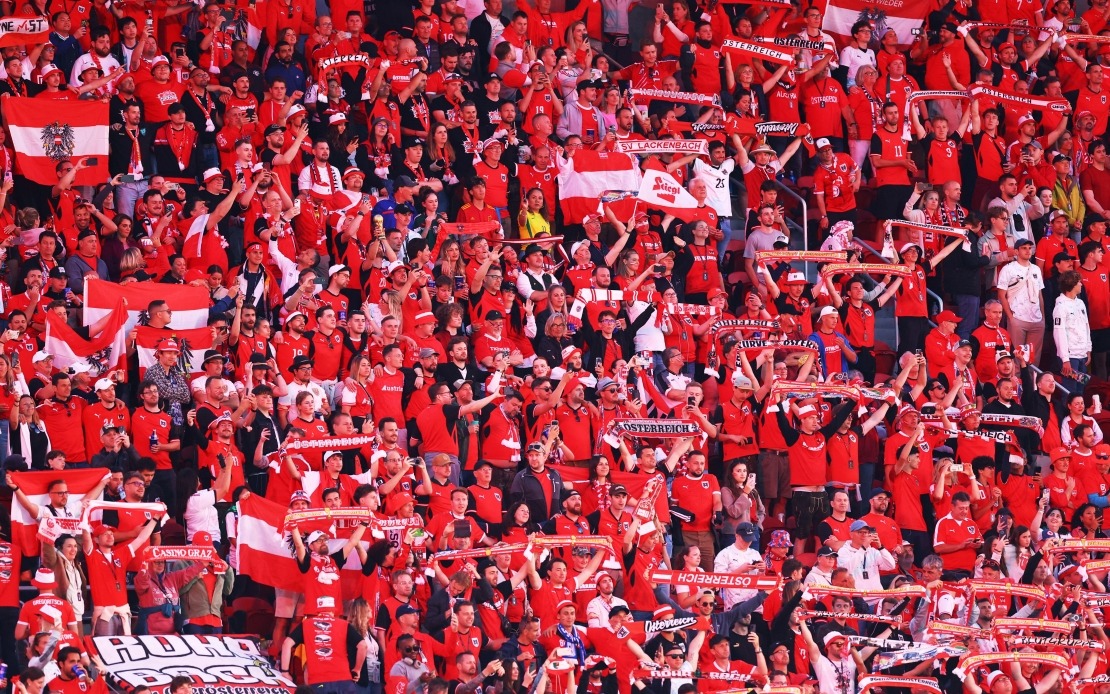
The FIFA World Cup's opening fortnight has delivered impressive attendance statistics that appear to counter early worries about fan engagement, with the global football body confirming that stadiums achieved near-capacity crowds across the tournament's initial matches. The governing body reported that 1,028,429 supporters attended the first 16 games through Monday, translating to a stadium occupancy rate of 99.34 percent—a figure that surprised many observers given the substantial criticism levelled at the tournament's ticketing approach in the months before kick-off.
Ticket pricing emerged as a contentious issue heading into the finals, with many stakeholders questioning whether match costs would deter ordinary supporters from attending. Those concerns appeared vindicated when television coverage revealed noticeably sparse sections during the South Korea versus Czech Republic encounter in Guadalajara and the Qatar versus Switzerland match held in California's Bay Area. The visual evidence of empty seats sparked discussions about whether premium pricing structures were pricing casual fans out of the experience, despite FIFA's long-standing ambitions to make the tournament accessible to working families.
FIFA president Gianni Infantino sought to celebrate the strong overall numbers by sharing a photograph on Instagram with Aaron Bren, identified as the one millionth attendee. The president's accompanying statement emphasised the inclusive nature of the tournament, saying "A huge thank you to all our passionate supporters who continue to fill the stadiums – you have brought the most inclusive FIFA World Cup to life." The messaging reflected FIFA's desire to shift the narrative away from pricing controversies toward celebrating crowd energy and global participation.
Beyond the headline attendance figures, however, serious questions persist about stadium management and supporter safety. Football Supporters Europe, a representative organisation for fan groups across the continent, raised alarm about what it characterised as abnormally relaxed segregation protocols at matches. Ronan Evain, the group's executive director, expressed concern to the BBC that the tournament's sprawling geographical footprint and heavy reliance on secondary ticket markets had created conditions where supporters from opposing nations could mix freely in stadium sections.
Evain's criticism focused on FIFA's limited visibility into ticket distribution networks, noting that the aggressive push to encourage resale transactions had obscured information about which supporters held tickets to any given match. This opacity creates what Evain termed a "risk" rather than the managed supporter experience typical of major tournaments, where opposing fans are physically separated through dedicated sections and stewarding arrangements. The lack of detailed knowledge about ticket holder identity means FIFA cannot ensure proper crowd management protocols that typically protect supporter safety.
The secondary market for tickets, while potentially expanding access to matches, has complicated FIFA's traditional ability to ringfence seats for supporter groups with verified allegiances. The governing body does maintain allocations for what it terms "participant member association" (PMA) supporters, reserved blocks designated for the most dedicated and vetted fans from competing nations. However, the substantial portion of tickets flowing through resale channels exists outside these safeguards, meaning opposing supporters may inadvertently find themselves seated in close proximity without proper protective measures.
For Malaysian and Southeast Asian readers, the attendance dynamics carry particular resonance given the region's enthusiastic football culture and the challenges that emerging football nations face in hosting major tournaments. The World Cup's scale and commercial demands often create tensions between maximising revenue through flexible ticketing models and maintaining the safe, orderly environments that international football governance ideally requires. These tensions are increasingly felt in Asia as the region's nations invest in hosting capabilities for continental and global competitions.
The data released by FIFA demonstrates the appetite for live World Cup football, even at premium price points, suggesting that demand for international football remains robust across markets. The 99.34 percent occupancy figure suggests that most available seats found occupants, implying either strong underlying demand, dynamic pricing that adjusted over time, or some combination of both. Whether this represents organic enthusiasm or the result of aggressive marketing and discounting strategies in later stages remains unclear from the available data.
Looking forward, the contrast between FIFA's triumphant announcement and Football Supporters Europe's safety warnings highlights the tension between different measures of tournament success. Attendance numbers and occupancy rates represent commercially favourable metrics that can be publicised to sponsors and broadcasters, whereas supporter safety and security—though less photogenic—remain fundamental responsibilities. The divergence in these assessments suggests that future World Cups may need to develop more sophisticated frameworks for balancing commercial objectives with supporter protection in an age of digitised, secondary ticket markets that blur traditional lines between official and unofficial distribution channels.

%22%2F%3E%3C%2Fpattern%3E%3C%2Fdefs%3E%3Crect%20width%3D%22100%25%22%20height%3D%22100%25%22%20fill%3D%22url(%23ph40buhg)%22%2F%3E%3Crect%20width%3D%22100%25%22%20height%3D%22100%25%22%20fill%3D%22url(%23ph40buhp)%22%2F%3E%3Ctext%20x%3D%2250%25%22%20y%3D%2250%25%22%20text-anchor%3D%22middle%22%20dominant-baseline%3D%22central%22%20fill%3D%22rgba(255%2C255%2C255%2C0.95)%22%20font-family%3D%22Georgia%2C%20'Times%20New%20Roman'%2C%20serif%22%20font-weight%3D%22700%22%20font-size%3D%22320%22%20letter-spacing%3D%22-0.02em%22%3EGRS%3C%2Ftext%3E%3C%2Fsvg%3E)