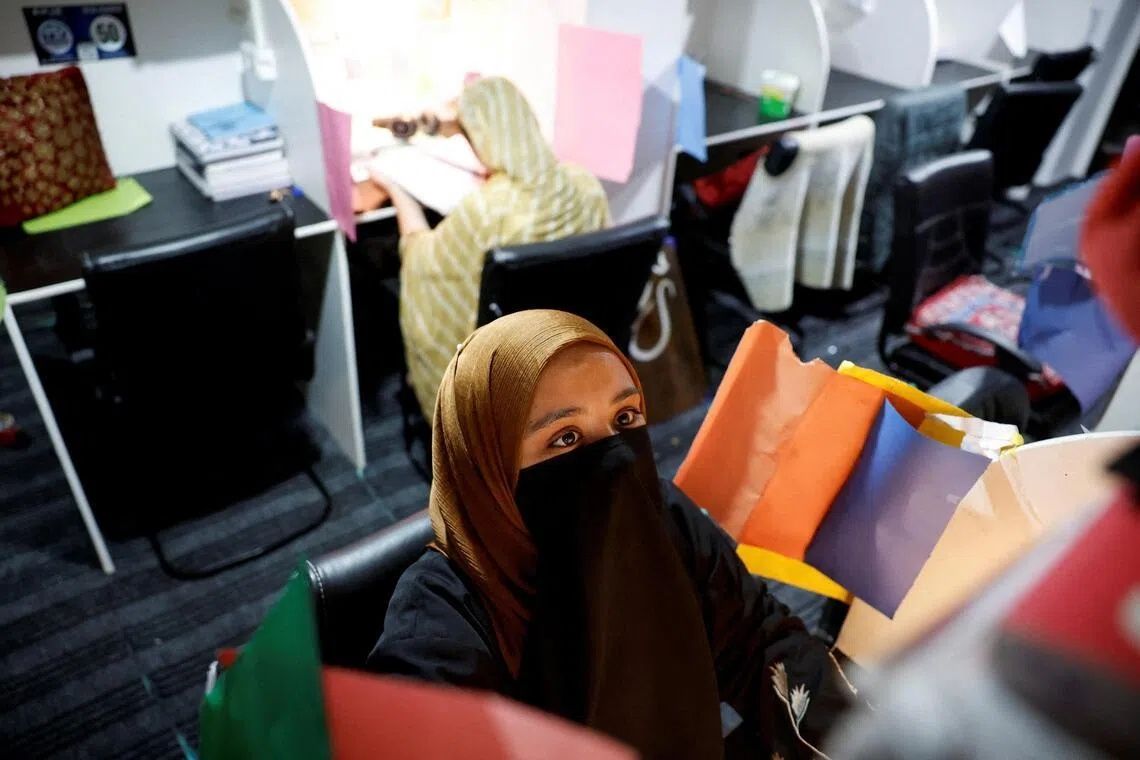
The prospect of retaking one of India's most competitive medical entrance examinations has plunged more than 2 million students into a state of psychological distress. These candidates, who initially attempted the National Eligibility cum Entrance Test on May 3, now face a second ordeal on Sunday after authorities invalidated the entire examination following credible allegations that question papers had been leaked in advance through social media channels. For students who have invested years in rigorous preparation, the prospect of repeating an already gruelling test under controversial circumstances has triggered mounting mental health concerns.
The highly selective nature of India's medical admissions process adds another layer of pressure to an already demanding situation. Only between 5 and 6 per cent of students who sit the examination ultimately secure coveted places at medical institutions, making the stakes extraordinarily high for the overwhelming majority. The cancellation and mandatory retake have compounded anxieties for those who had prepared extensively and performed adequately on their first attempt, only to see their results erased through no action of their own.
Among those grappling with the emotional toll is Alima Javed, a 20-year-old from Srinagar, who articulates the frustration felt by countless peers. She describes the examination as mentally exhausting, emphasising how years of dedicated study culminated in an experience undermined by institutional failure rather than personal shortcoming. The decision to cancel results has transformed what should have been a concluding moment in her preparation into an indefinite cycle of waiting and re-preparation.
The scandal has evolved into a significant political challenge for Prime Minister Narendra Modi's government. Student demonstrations have erupted across New Delhi and major cities, with hundreds of participants turning out to protest the examination authority's handling of the situation. These protests reflect deeper anxieties about systemic integrity and institutional accountability within India's education apparatus. Opposition politicians have seized upon the controversy, using it to criticise the administration's oversight of critical national examinations.
Reports have emerged suggesting that the emotional toll has contributed to student suicides, though verification of such claims remains difficult. The Indian government has attempted to provide reassurance through Education Minister Dharmendra Pradhan, who has publicly committed to ensuring that the rescheduled examination will be conducted with absolute fairness and transparency. However, such assurances have provided limited comfort to an anxious cohort already beset by uncertainty.
In an attempt to prevent further compromises to examination integrity, authorities have implemented controversial preventive measures. The government ordered a temporary nationwide blockade of the messaging application Telegram, citing concerns that the platform's anonymity features and capacity for rapid channel recreation could facilitate further cheating networks. This unprecedented intervention drew swift condemnation from digital rights advocates and free speech campaigners, who argue that collective punishment of legitimate users represents an excessive governmental overreach.
A Delhi court ruled on June 19 that the government's decision to block Telegram was both legal and proportionate, rejecting the application's challenge to the ban. The court accepted official arguments that Telegram presented unique risks because of its structural characteristics, distinguishing it from other communication platforms that remained accessible. The government specifically highlighted the application's encrypted nature and the ease with which banned channels could be recreated as justifications for the exceptional measure.
Meanwhile, law enforcement agencies have intensified investigations into the alleged examination leak through a coordinated multi-agency task force. Investigators are attempting to trace the source of the compromised question papers while examining financial records that might reveal connections to organised cheating syndicates. Arrests have been made across multiple states, and government officials have publicly warned that those convicted of examination fraud will face substantially harsher penalties than previously imposed. The authorities have simultaneously announced comprehensive security enhancements, including intensified monitoring at examination centres, stricter protocols governing question paper custody and transportation, and digital tracking mechanisms designed to maintain chain-of-custody documentation.
Despite these institutional responses, many students remain unconvinced that such measures adequately address the underlying anxiety they experience. Aliya Jalaal, another 20-year-old candidate, illustrates the psychological impact with particular clarity. She reports having performed satisfactorily during the initial examination, yet the prospect of retaking the test has generated such profound anxiety that she has sought professional psychiatric intervention. Her situation exemplifies how institutional failures in examination administration can generate lasting emotional consequences for students who have done nothing wrong, creating collateral psychological damage that extends well beyond the immediate testing environment and into the realm of clinical mental health concerns.
%22%2F%3E%3C%2Fpattern%3E%3C%2Fdefs%3E%3Crect%20width%3D%22100%25%22%20height%3D%22100%25%22%20fill%3D%22url(%23ph4fp9sg)%22%2F%3E%3Crect%20width%3D%22100%25%22%20height%3D%22100%25%22%20fill%3D%22url(%23ph4fp9sp)%22%2F%3E%3Ctext%20x%3D%2250%25%22%20y%3D%2250%25%22%20text-anchor%3D%22middle%22%20dominant-baseline%3D%22central%22%20fill%3D%22rgba(255%2C255%2C255%2C0.95)%22%20font-family%3D%22Georgia%2C%20'Times%20New%20Roman'%2C%20serif%22%20font-weight%3D%22700%22%20font-size%3D%22320%22%20letter-spacing%3D%22-0.02em%22%3EKTMB%3C%2Ftext%3E%3C%2Fsvg%3E)