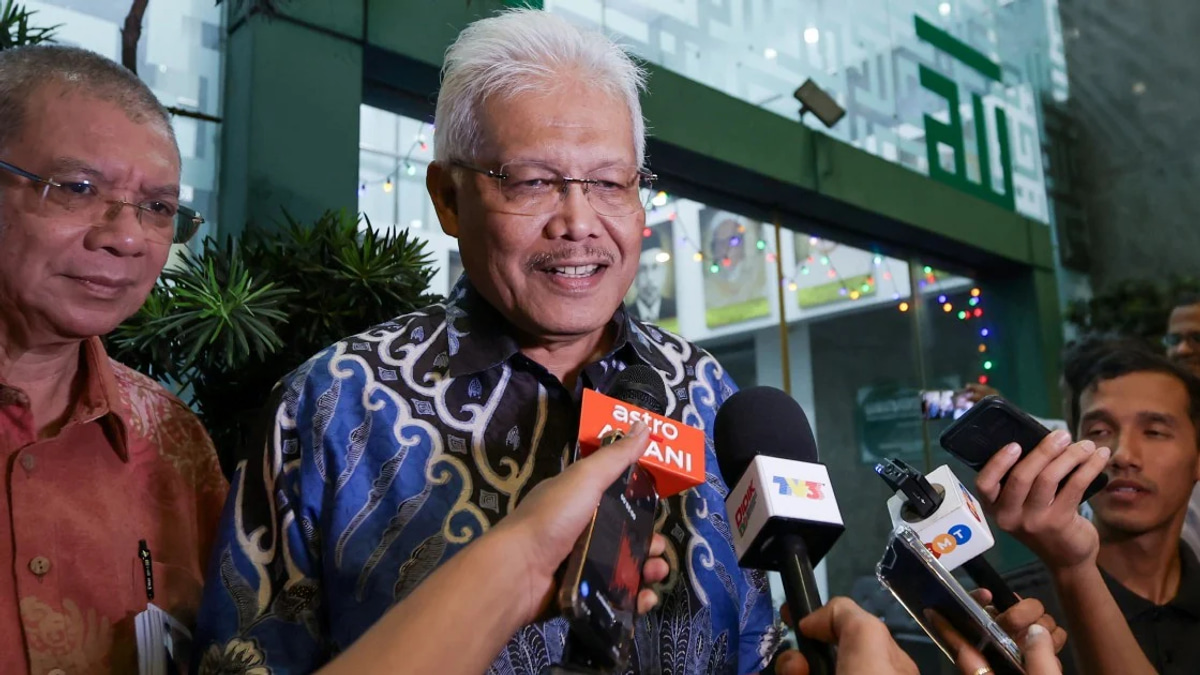
Malaysia's Human Resources Ministry has highlighted the substantial scale of employer participation in the Human Resource Development Corporation (HRD Corp) ecosystem across Johor, with Datuk Seri R. Ramanan revealing that 13,425 registered employers channelled training opportunities to approximately 479,905 workers throughout the previous year. The figures underscore a significant commitment to workforce development in the state, though ministry officials emphasise that monetary metrics alone do not capture the true impact of these initiatives on individual career trajectories and long-term economic competitiveness.
The financial backbone supporting this ecosystem manifested through levy collections totalling RM208.21 million, a mechanism that pools contributions from employers to fund collective worker development. Notably, RM183.96 million of these funds were redistributed directly back to participating employers, effectively subsidising their internal training and upskilling programmes. This recycling of levy revenue creates a circular economy of human capital investment, where the financial burden on individual employers is substantially mitigated through strategic fund allocation, thereby encouraging broader participation across industries and company sizes.
Beyond the levy redistribution model, HRD Corp extended RM191.5 million in direct financial assistance initiatives targeting 232,072 individuals throughout Johor. These grants and subsidies represent a government commitment to removing financial barriers that might otherwise prevent workers from accessing professional development opportunities. The distinction between levy-funded employer programmes and direct individual assistance reflects a dual-pronged strategy: supporting businesses in their training investments while simultaneously empowering workers to pursue skill enhancement independently of their immediate employers.
The ministry's emphasis on measuring success beyond expenditure figures reveals a strategic pivot toward outcomes-based evaluation. Ramanan articulated this perspective explicitly, noting that the ultimate metric of achievement resides in tangible, sustained benefits accruing to Johor's workforce rather than the absolute volume of financial disbursement. This philosophical approach signals a maturing policy framework that recognises training programmes must translate into genuine employment prospects, wage growth, and career advancement rather than merely fulfilling bureaucratic training quotas or expenditure targets.
A particularly critical dimension of the ministry's agenda involves supporting gig economy workers, a demographic often excluded from traditional corporate training pathways. Acknowledging the structural vulnerabilities of informal and platform-based workers, the ministry has positioned itself as a facilitator of skill development for this growing segment of Malaysia's labour force. Given Johor's rapid economic transformation and emerging opportunities in the services and technology sectors, equipping gig workers with marketable competencies addresses both immediate economic inclusion concerns and longer-term workforce flexibility requirements.
The Johor-Singapore Special Economic Zone (JS-SEZ) constitutes a pivotal context shaping the ministry's training priorities. This bilateral economic initiative attracts substantial foreign direct investment and generates sustained demand for sophisticated technical talent, particularly in advanced manufacturing, digital services, and logistics. The ministry recognises that Johor's competitive advantage in capturing and retaining these investments depends fundamentally on cultivating a workforce capable of meeting international skill standards. Consequently, training programmes increasingly target competency gaps identified within high-value sectors anticipated to flourish within the JS-SEZ framework.
The 'Pocket Talk' roadshow initiative represents an operational innovation in how government labour market programmes reach their intended audiences. Rather than requiring employers and workers to navigate centralised bureaucratic channels, this mobile outreach model brings information and opportunities directly into communities at the grassroots level. Held at accessible venues like Starhill Golf & Country Club in Kempas, such events democratise access to knowledge about available training funds and upskilling pathways, particularly benefiting small and medium enterprises and informal workers who might otherwise lack awareness of government support mechanisms.
Themed 'From Policy to the People', the roadshow nomenclature encapsulates a deliberate effort to bridge the implementation gap that frequently disconnects well-designed government programmes from their target beneficiaries. Policy frameworks often fail not from conceptual flaws but from inadequate communication and awareness-building at community level. By positioning Human Resources Ministry (KESUMA) and HRD Corp representatives directly within employer and worker communities, the ministry attempts to dissolve informational barriers that might otherwise prevent eligible participants from accessing available support.
For Malaysian business stakeholders, particularly those operating in Johor, the scale of HRD Corp engagement suggests robust infrastructure for workforce development investment. Companies contemplating expansion or operational enhancement can leverage existing training subsidies and levy mechanisms that substantially reduce the net cost of employee upskilling. The RM183.96 million returned to employers signals that businesses investing in formal HRD Corp participation recover meaningful portions of their initial levy contributions, effectively creating a self-sustaining talent development ecosystem.
The implications extend beyond Johor's borders, offering a replicable model for other Malaysian states seeking to strengthen their human capital. The integration of employer-funded training, direct worker assistance, and strategic sector targeting demonstrates how multi-instrument policy frameworks can address diverse workforce development needs simultaneously. As Malaysia navigates competitive pressures from regional economies and emerging digital transformation imperatives, the depth of Johor's HRD Corp engagement provides a benchmark for national talent development ambitions.
Looking forward, the ministry's emphasis on gig worker inclusion and grassroots outreach signals recognition that Malaysia's future workforce increasingly departs from traditional full-time corporate employment patterns. Training initiatives that accommodate flexible, project-based, and platform-mediated work arrangements will likely prove essential for maintaining social stability and economic dynamism. The HRD Corp ecosystem's demonstrated capacity to reach substantial numbers of Johor workers provides a foundation for these evolving priorities, though sustained political and financial commitment will determine whether current momentum transforms into enduring competitive advantage for Malaysia's workforce.

%22%2F%3E%3C%2Fpattern%3E%3C%2Fdefs%3E%3Crect%20width%3D%22100%25%22%20height%3D%22100%25%22%20fill%3D%22url(%23ph5931qg)%22%2F%3E%3Crect%20width%3D%22100%25%22%20height%3D%22100%25%22%20fill%3D%22url(%23ph5931qp)%22%2F%3E%3Ctext%20x%3D%2250%25%22%20y%3D%2250%25%22%20text-anchor%3D%22middle%22%20dominant-baseline%3D%22central%22%20fill%3D%22rgba(255%2C255%2C255%2C0.95)%22%20font-family%3D%22Georgia%2C%20'Times%20New%20Roman'%2C%20serif%22%20font-weight%3D%22700%22%20font-size%3D%22272%22%20letter-spacing%3D%22-0.02em%22%3EAzeem%3C%2Ftext%3E%3C%2Fsvg%3E)