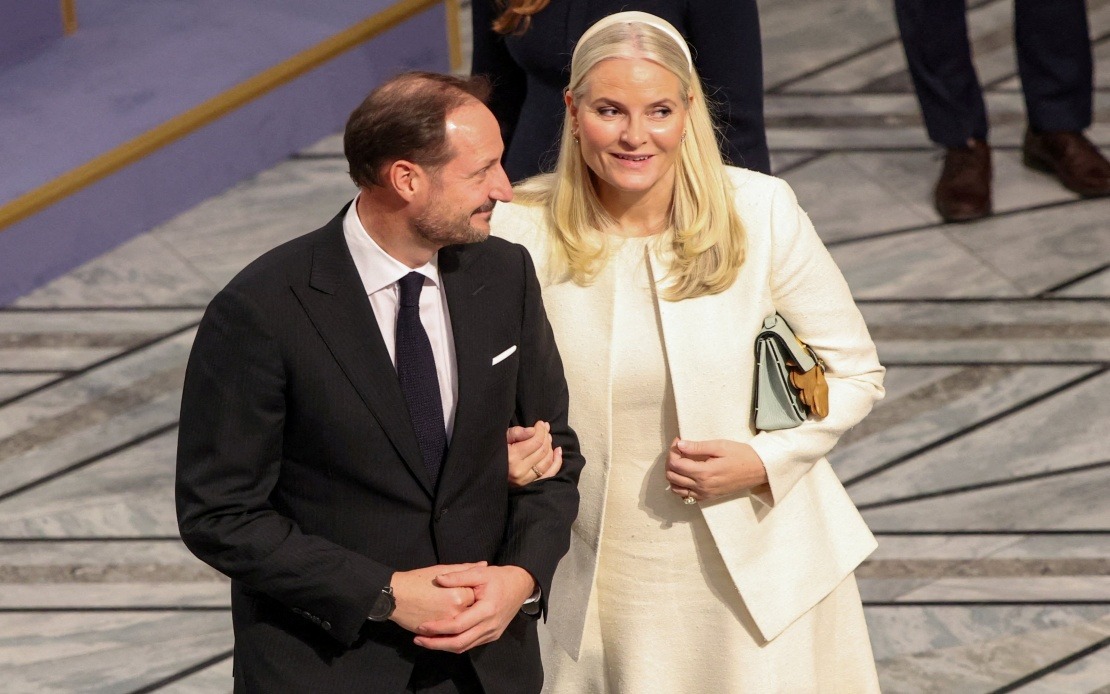
Crown Princess Mette-Marit of Norway has undergone a successful lung transplant operation, the Royal Palace in Oslo confirmed on Wednesday. The 52-year-old consort of Crown Prince Haakon had been waiting for the procedure following her diagnosis with pulmonary fibrosis, a debilitating and irreversible lung condition that progressively damages lung tissue and severely impairs breathing capacity.
Mette-Marit's transplant comes weeks after the Norwegian Royal Palace publicly announced on June 5 that she had been placed on the national waiting list for a donor lung. The decision to go public with her medical situation marked an unusual step for the traditionally private monarchy, reflecting the severity of her condition and her determination to raise awareness about organ donation in Norway.
Pulmonary fibrosis, the underlying condition affecting the Crown Princess, is a progressive disease characterised by the gradual scarring and thickening of lung tissue. This scarring process, known as fibrosis, progressively restricts the lungs' ability to expand and contract properly, making oxygen exchange increasingly difficult. In Mette-Marit's case, the condition had advanced to the point where she required constant oxygen support to manage her daily activities, a visible testament to how severely the disease had compromised her respiratory function.
Medical protocols governing access to lung transplant programmes typically reserve this life-saving procedure for patients facing imminent mortality without intervention. Candidates are generally expected to have a remaining life expectancy of approximately one year absent a transplant, underscoring just how critical such operations are for those afflicted by end-stage lung disease. The fact that Mette-Marit qualified for transplantation reflected the advanced stage of her pulmonary fibrosis.
One unexpected consequence of the Crown Princess's public disclosure has been a significant surge in organ donor registrations across Norway. The Norwegian Organ Donation Foundation documented a notable increase in the number of citizens pledging to become potential donors following the royal family's announcement. This phenomenon illustrates how high-profile medical cases within royal and celebrity circles can powerfully influence public attitudes toward organ donation, potentially saving additional lives beyond the immediate beneficiary.
The timing of the transplant also highlights the unpredictable nature of organ availability. Patients on transplant waiting lists can experience extended periods of uncertainty, as donor organs become available only when circumstances beyond anyone's control create the opportunity. Despite having been listed for less than two weeks before her surgery, Mette-Marit's relatively swift access to a donor organ suggests either extraordinary fortune in matching or perhaps the benefits of resources available to a member of the royal family.
For Malaysia and Southeast Asia, the Crown Princess's case underscores the critical importance of robust organ donation frameworks and public awareness campaigns. Many countries in the region face significant shortages of available organs, with waiting lists far exceeding the supply of donor organs. The disconnect between demand for life-saving transplants and available donor organs remains one of the most pressing challenges in regional healthcare systems.
The successful outcome of Mette-Marit's operation also reinforces the remarkable advances modern medicine has achieved in transplantation surgery. Lung transplantation remains among the most technically demanding and risky surgical procedures, yet it has become an increasingly viable treatment for carefully selected patients with end-stage pulmonary diseases. The Crown Princess's recovery will likely be closely followed by both the Norwegian public and the international medical community.
Mette-Marit's situation raises important questions about equity in access to transplant services. While the Crown Princess clearly has access to world-class medical care and can be prioritised within her country's healthcare system, countless ordinary patients across Norway and throughout the world face much longer waits and less certain prospects for receiving life-saving organs. The disparity between those with resources and those without remains a persistent ethical challenge within the transplantation field globally.
Looking forward, the Crown Princess's public battle with pulmonary fibrosis may contribute to increased awareness and funding for research into this devastating condition. Unlike some diseases that primarily affect economically disadvantaged populations, pulmonary fibrosis strikes across all demographic groups, including wealthy nations' most prominent families. This visibility may accelerate research efforts aimed at developing treatments capable of halting or reversing the disease's progression before patients reach the point of requiring transplantation.
The successful transplant represents not only a personal victory for Mette-Marit but also a moment of national significance for Norway. The royal family's willingness to publicly engage with medical adversity, rather than retreating into privacy, has contributed to a broader conversation about organ donation that may ultimately save additional lives. For healthcare systems across Southeast Asia grappling with organ shortage crises, the Norwegian experience offers valuable lessons about leveraging public interest and high-profile cases to strengthen donation programmes and registry participation.


%22%2F%3E%3C%2Fpattern%3E%3C%2Fdefs%3E%3Crect%20width%3D%22100%25%22%20height%3D%22100%25%22%20fill%3D%22url(%23ph40buhg)%22%2F%3E%3Crect%20width%3D%22100%25%22%20height%3D%22100%25%22%20fill%3D%22url(%23ph40buhp)%22%2F%3E%3Ctext%20x%3D%2250%25%22%20y%3D%2250%25%22%20text-anchor%3D%22middle%22%20dominant-baseline%3D%22central%22%20fill%3D%22rgba(255%2C255%2C255%2C0.95)%22%20font-family%3D%22Georgia%2C%20'Times%20New%20Roman'%2C%20serif%22%20font-weight%3D%22700%22%20font-size%3D%22320%22%20letter-spacing%3D%22-0.02em%22%3EGRS%3C%2Ftext%3E%3C%2Fsvg%3E)