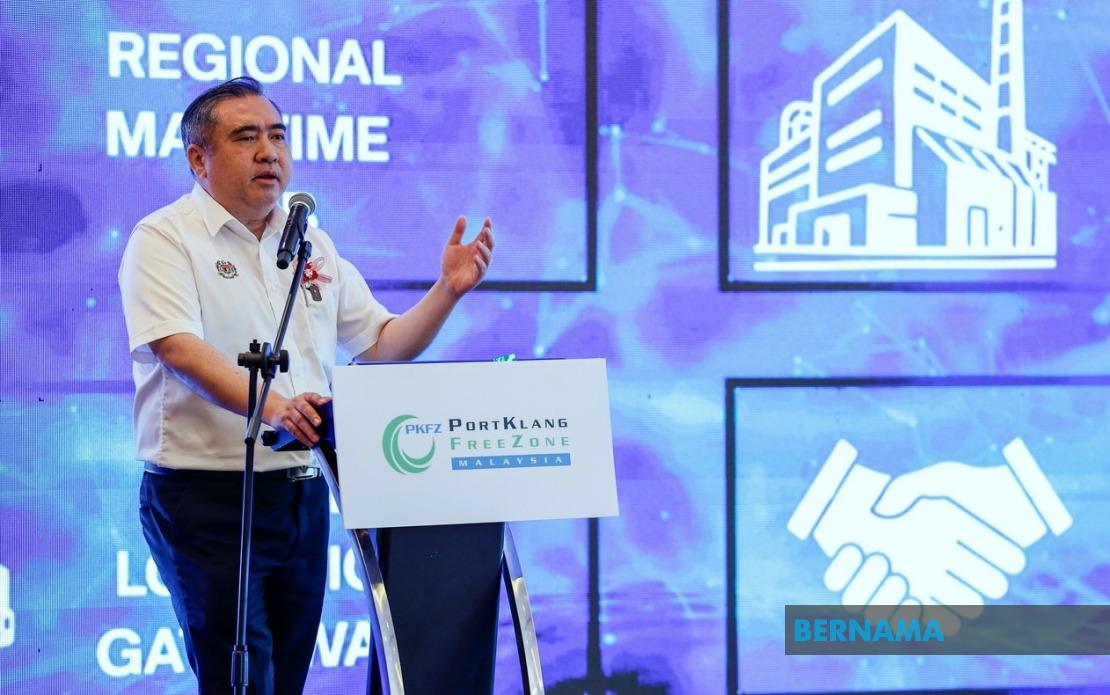
Parliament will receive a comprehensive overhaul of road transport legislation on Monday when Transport Minister Anthony Loke tables the Road Transport (Amendment) Bill 2025, marking a significant legislative push to combat dangerous driving behaviour and organised criminal activity on Malaysian roads. The Bill encompasses 11 distinct areas of amendment structured across 42 clauses, with an expedited parliamentary schedule that sees debate slated for Tuesday and passage expected the same day—indicating strong cross-party consensus on the measure.
The rapid parliamentary progression reflects growing concern about the safety risks posed by illegal street racing, which has escalated into a weekend phenomenon that endangers motorists and pedestrians alike. These underground racing events, often organised spontaneously through social media channels, have become increasingly visible in urban and suburban areas, drawing young participants and spectators to dangerous impromptu competitions that disrupt traffic flow and create accident hazards. Transport authorities have struggled to contain the activity despite enforcement efforts, as participants rotate between multiple locations to evade police interception, making traditional reactive policing insufficient.
Beyond street racing, the Bill represents a concerted attack on tonto syndicates—criminal networks that organise illegal racing, engage in vehicle modification for illicit purposes, and operate associated protection rackets. These organisations have traditionally operated with relative impunity, their activities sometimes treated as minor traffic violations rather than serious organised crime. The amendments will equip authorities with stronger legal tools to dismantle these networks, target their financial operations, and impose deterrent penalties that make participation less appealing to would-be members and enthusiasts.
Minister Loke highlighted during a media briefing that the amendments have secured backing from opposition Members of Parliament serving on the Parliamentary Special Select Committee, a development that underscores bipartisan recognition of road safety threats. Cross-party support at this stage suggests the Bill addresses genuine public concerns rather than partisan policy preferences, making its passage highly probable and lending legitimacy to stricter enforcement mechanisms that will follow. This consensus also indicates that opposition parties anticipate the legislation serving long-term road safety objectives that transcend electoral cycles.
The enforcement strengthening mechanisms embedded within the amendments represent a fundamental shift in how Malaysian authorities approach traffic regulation and road safety compliance. Rather than relying primarily on post-incident penalties, the revamped framework emphasises preventive measures, enhanced monitoring capabilities, and coordinated action across multiple agencies. New provisions likely include expanded authority for traffic enforcement personnel to intervene in suspected illegal racing situations, mechanisms for vehicle impoundment and modification reversal, and protocols for information sharing between police, Road Transport Department, and local councils to identify recurring violation patterns and hotspots.
The targeting of illegal racing reflects a documented escalation in incident frequency and severity across the region. Social media documentation of street racing events has proliferated, with participants proudly sharing footage that sometimes goes viral, inadvertently attracting additional participants to future events. This digital dimension complicates enforcement, as organisers coordinate through encrypted messaging platforms and maintain awareness of police patrol patterns, essentially treating law enforcement as an opponent to be strategically outsmarted rather than authority to be respected.
For Malaysian drivers and commuters, the Bill's passage carries both immediate and long-term implications. Weekend traffic patterns in urban areas will likely see increased police presence and enforcement operations, potentially improving safety but also creating short-term congestion as vehicles are stopped and checked. Over time, if enforcement proves consistent and penalties are genuinely applied, the deterrent effect may gradually reduce participation in illegal racing and associated criminal activity. Insurance premiums in high-risk areas might also respond positively if accident rates decline following successful implementation.
The amendments also signal a willingness by Malaysia's transport authorities to move beyond symptomatic treatment of road safety issues toward addressing underlying criminal structures that profit from traffic law violations. This strategic reorientation acknowledges that isolated enforcement—stopping individual racers or impounding vehicles—accomplishes little without dismantling the syndicates that organise, finance, and protect these operations. By targeting both individual participants and organisational infrastructure simultaneously, the legislation adopts a comprehensive approach more likely to produce sustainable improvements than enforcement alone.
Regional dimension to Malaysia's legislative action also warrant consideration. Illegal racing networks operate across state boundaries and sometimes coordinate with similar operations in neighbouring countries, suggesting that Malaysian strengthening of domestic law creates enforcement advantages that will ripple across the broader Southeast Asian region. As one country strengthens its legal framework and enforcement capacity, it becomes progressively harder for criminal networks to operate across borders without facing serious legal consequences on either side of boundaries.
The Bill's scheduled passage on the same day as second reading debate, while procedurally possible under parliamentary rules, also indicates government confidence in the legislation's readiness and likely ministerial desire to move swiftly toward implementation. Once passed, the new provisions will require coordinated training for enforcement personnel, public communication campaigns explaining changed legal status and penalties for various violations, and technological upgrades to support enhanced monitoring and data-sharing capabilities. These implementation steps will unfold over subsequent months, with practical effects becoming visible as police and traffic authorities begin applying new enforcement tools.
For young Malaysians attracted to street racing culture, the legislative change represents a clear watershed moment when such activity transitions from a social problem requiring traffic enforcement to a serious criminal matter attracting substantial penalties. This distinction may resonate with some participants previously treating illegal racing as a thrilling but relatively consequence-free activity, while others may intensify participation before heightened enforcement takes full effect. Either way, the legislative framework now exists to support sustained enforcement operations and severe penalties for offenders.


%22%2F%3E%3C%2Fpattern%3E%3C%2Fdefs%3E%3Crect%20width%3D%22100%25%22%20height%3D%22100%25%22%20fill%3D%22url(%23ph40buhg)%22%2F%3E%3Crect%20width%3D%22100%25%22%20height%3D%22100%25%22%20fill%3D%22url(%23ph40buhp)%22%2F%3E%3Ctext%20x%3D%2250%25%22%20y%3D%2250%25%22%20text-anchor%3D%22middle%22%20dominant-baseline%3D%22central%22%20fill%3D%22rgba(255%2C255%2C255%2C0.95)%22%20font-family%3D%22Georgia%2C%20'Times%20New%20Roman'%2C%20serif%22%20font-weight%3D%22700%22%20font-size%3D%22320%22%20letter-spacing%3D%22-0.02em%22%3EGRS%3C%2Ftext%3E%3C%2Fsvg%3E)