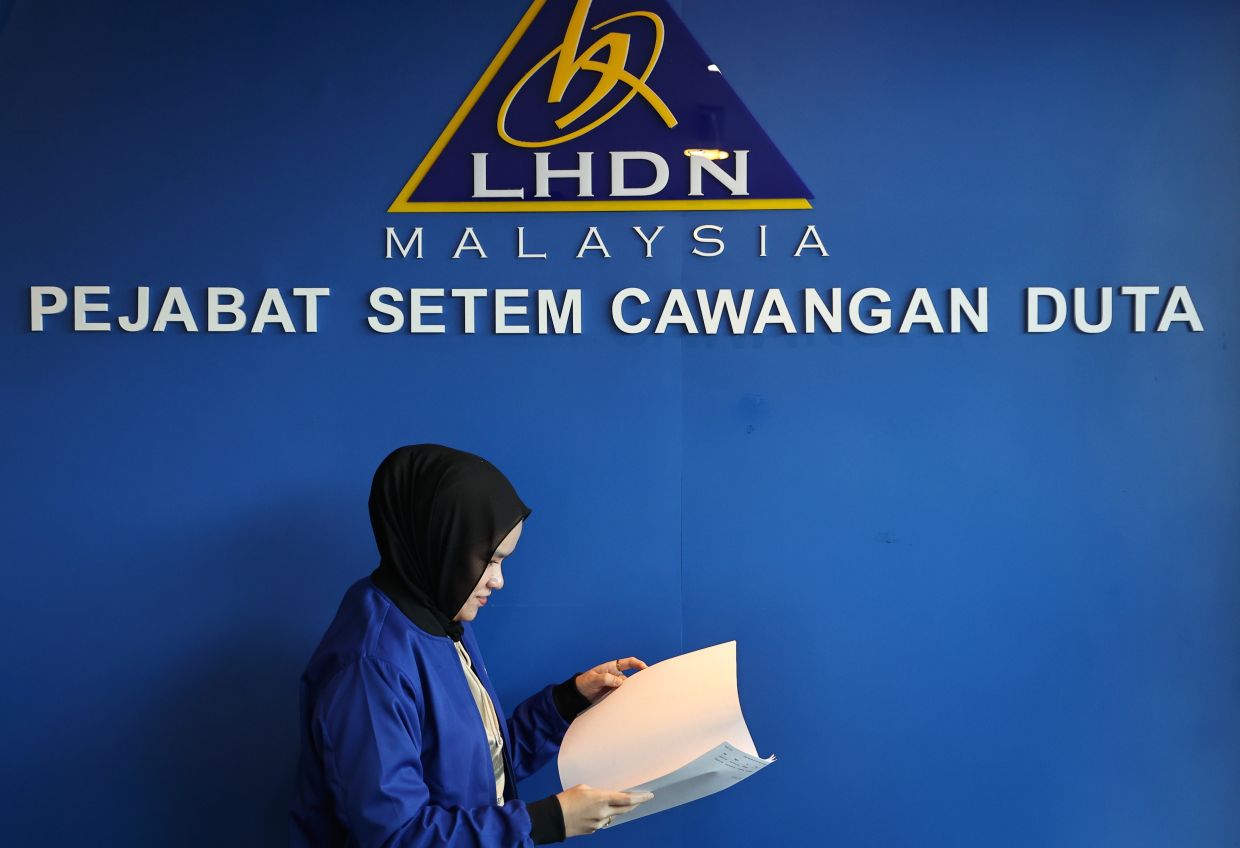
Malaysia's push towards widespread digitalisation has entered a new phase with the Inland Revenue Board of Malaysia (HASiL) launching MyInvois e-POS, a free digital point-of-sale platform designed specifically to ease the burden on small businesses adapting to mandatory e-Invoice requirements introduced in 2024. The initiative represents a recognition that digitalisation, while essential in today's competitive economy, can pose significant operational and financial obstacles for cash-strapped MSMEs that lack the resources of larger corporations.
The MyInvois e-POS platform addresses a critical gap in Malaysia's digital transformation roadmap. Rather than forcing businesses to navigate a fragmented marketplace of expensive third-party solutions, HASiL has created a unified, no-cost system targeting enterprises with annual sales up to RM5mil—a threshold that captures the vast majority of Malaysia's estimated 900,000 registered SMEs. This democratisation of digital tools is essential for ensuring that digitalisation requirements do not inadvertently widen the gap between well-resourced large firms and struggling smaller operators competing in the same market.
The platform's design philosophy prioritises accessibility without compromising functionality. Businesses can operate MyInvois e-POS using basic hardware—a smartphone or tablet with internet connectivity—eliminating the need for expensive dedicated infrastructure. Optional add-ons such as receipt printers and barcode scanners can be integrated gradually as businesses grow, allowing incremental investment rather than upfront capital expenditure. This flexibility is particularly valuable for retailers, restaurants, cafes, clothing boutiques and convenience stores, which represent the backbone of Malaysia's retail economy and often operate on narrow profit margins.
At its core, MyInvois e-POS consolidates several essential business functions into one platform, streamlining daily operations that traditionally required multiple disparate systems or manual paper-based processes. Sales management, inventory tracking, accounting records and financial reporting capabilities are integrated, reducing administrative overhead and minimising the human error that characterises manual record-keeping. The system's ability to automatically generate e-Invoices upon buyer request, or on a predetermined schedule if no request is made, removes the technical complexity that might otherwise deter smaller business owners from embracing the new requirement.
The automatic e-Invoice generation represents a particularly elegant solution to a common pain point in digital transformation initiatives. Rather than burdening business owners with technical procedures they may not fully understand, the system handles invoice issuance as a background function, allowing entrepreneurs to concentrate on their core activities. This approach acknowledges that most MSME operators are domain experts in their respective businesses—food preparation, retail merchandising, customer service—rather than technology specialists, and that forcing them into unfamiliar technical territory creates friction that impedes adoption.
From a compliance perspective, MyInvois e-POS facilitates Malaysia's transition to e-Invoice while maintaining the operational continuity that small businesses require to remain viable. The 2024 e-Invoice mandate represents a significant regulatory shift, and without adequate tooling, many MSMEs would face either prohibitive compliance costs or potential violations through non-compliance. By providing the infrastructure at no cost, HASiL removes a major barrier to adoption and signals government commitment to supporting businesses rather than simply imposing requirements.
The platform's implications extend beyond individual business efficiency to the broader health of Malaysia's small business sector. Improved financial record-keeping enables better analysis of business performance, allowing owners to identify trends, optimise pricing and make data-driven decisions about inventory and staffing. More organised financial records also facilitate access to credit facilities, as banks increasingly require digital documentation of financial history. In this sense, MyInvois e-POS functions as an indirect stimulus to MSME growth by reducing information asymmetries that traditionally disadvantage smaller operators in financial negotiations.
Regional context matters here as well. Malaysia competes with Thailand, Indonesia and the Philippines for MSME investment and entrepreneurship. Countries that successfully digitise their small business sectors gain competitive advantages in attracting both domestic investment and international supply chain integration. By removing cost barriers to digitalisation, Malaysia positions its MSME ecosystem as more efficient and attractive to larger enterprises seeking reliable subcontractors or retail partners. This has implications for regional trade integration and Malaysia's positioning within evolving East and Southeast Asian supply networks.
The HASiL initiative also reflects lessons learned from earlier digitalisation campaigns in Malaysia and internationally. Previous technology adoption initiatives often failed when solutions were designed by engineers for technicians rather than by businesses for business owners. MyInvois e-POS appears to have been built with end-user experience prioritised, suggesting that HASiL consulted extensively with actual MSME operators during development. The availability of in-person assistance at State HASiL offices, combined with online user guides, creates multiple support pathways for businesses with varying comfort levels around technology.
Implementation success will depend significantly on awareness and uptake among target businesses. Many Malaysian MSMEs, particularly in rural areas or among older owner-operators, may be unaware of the platform's existence or benefits. HASiL will need sustained outreach campaigns beyond the online portal and State Office availability, potentially including collaboration with industry associations, chambers of commerce and local government structures that have direct relationships with small business communities. Media coverage of early adopter success stories can help normalise the platform and demonstrate tangible benefits.
The free platform also sets a precedent for future government digital initiatives. Rather than outsourcing digitalisation infrastructure to private vendors and passing costs to users, HASiL has assumed the infrastructure burden itself, recognising that digital transformation is a public good with economy-wide benefits. This approach could serve as a model for other government agencies developing digital services or for future mandates in areas such as supply chain traceability, labour compliance reporting or environmental monitoring.
For Malaysian MSMEs navigating an increasingly complex regulatory environment while competing against larger, better-resourced firms, MyInvois e-POS represents a meaningful policy intervention that respects the constraints of small business operation while advancing legitimate government objectives around tax compliance and economic formalisation. The platform's success will help determine whether Malaysia can achieve inclusive digitalisation—where technology serves to strengthen rather than exclude smaller enterprises—or whether the digital economy remains stratified by business size and financial capacity.

