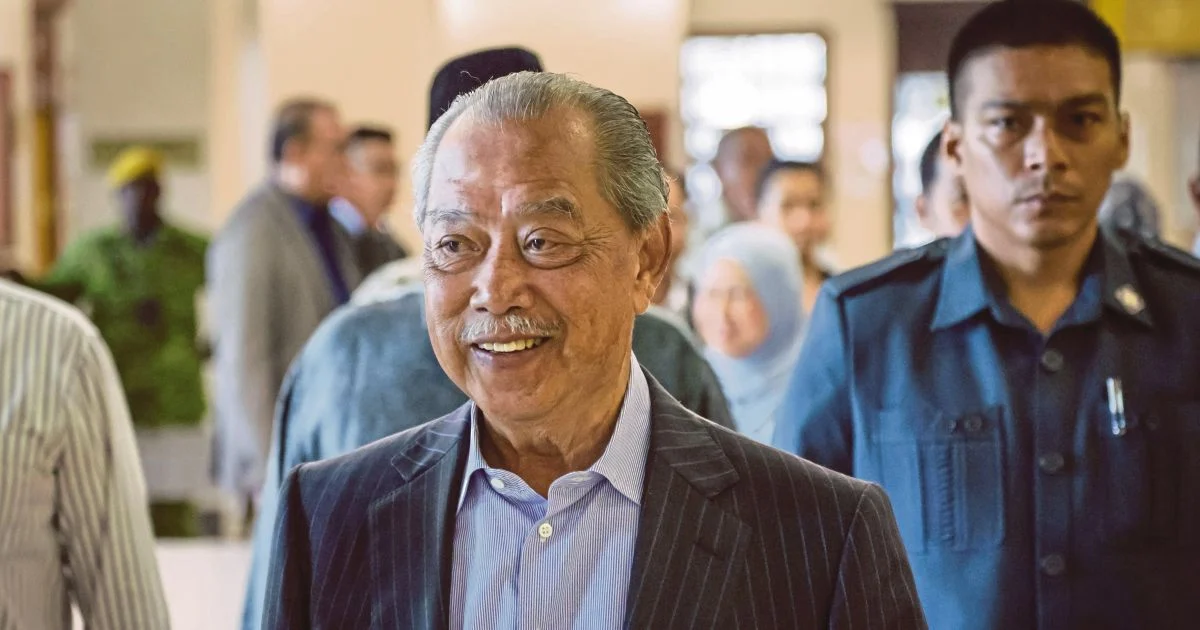
Perikatan Nasional's prospects for capturing power in Johor remain viable, according to Bersatu president Tan Sri Muhyiddin Yassin, who struck an optimistic tone despite his coalition fielding a notably limited slate of candidates. Speaking in Pagoh, Muhyiddin's home constituency, the opposition leader projected confidence that the bloc could still assemble enough support to form the next state administration, even with merely 33 seats under contest—a significant constraint compared to the total number of seats available in the state legislative assembly.
The apparent paradox between limited representation and governing ambitions reflects the complex arithmetic of Malaysian electoral politics, where coalition mathematics and potential post-election realignments can shift outcomes dramatically. Muhyiddin's assertion underscores a strategic calculation that PN need not contest every available seat to secure a working majority, provided it performs strongly in the constituencies where it does stand and potentially attracts support from independent candidates or legislators from other parties after polling day.
This approach signals a deliberate strategy by the opposition coalition to concentrate its organisational and financial resources where it believes it can secure victories. By avoiding a full slate of candidates, PN may be calculating that it can avoid costly defeats in less favourable terrain while maximising impact in battleground constituencies. The coalition's smaller footprint also potentially reflects ongoing challenges in member coordination or resource constraints that affect multi-party political alliances in Malaysia.
Johor holds particular significance for Malaysian politics, as the state has traditionally been a stronghold for the ruling coalition, though recent elections have demonstrated shifting voter sentiment and growing support for opposition movements. The state's large population and geographic importance make it a key indicator of broader political trends. Any gains by PN in this bastion would carry national implications, signalling a potential realignment of electoral preferences among Malaysian voters.
Muhyiddin's confidence should be viewed within the context of Bersatu's own transformation since his departure from the Barisan Nasional-led federal government. The party has positioned itself as part of the broader opposition front, leveraging grassroots dissatisfaction with long-ruling coalitions and positioning itself as an alternative vehicle for change. His statement in Pagoh, a seat he has long represented, carries weight as his personal constituency has historically supported Bersatu.
The mathematics of securing a simple majority in Johor suggest that PN would require substantial performance from its 33 candidates and likely support from independent victors or cross-overs from other parties. Malaysian electoral history provides precedents for such arrangements, where coalitions have expanded their parliamentary representation post-election through negotiated agreements with successful independent candidates or defectors from rival blocs. Whether such arrangements could materialise in Johor remains speculative but forms part of PN's calculation.
Key to PN's strategy appears to be maximising voter turnout and support concentration in its targeted constituencies. The coalition's ability to mobilise its base, particularly younger voters and those dissatisfied with incumbent governance, will prove crucial. Campaign messaging focused on local governance issues, economic concerns, and development promises could resonate with Johor voters seeking alternatives to incumbent administrations.
The broader context of Malaysian politics shows voters increasingly willing to split their support between federal and state levels, and between different coalitions. This volatility creates openings for opposition parties to make gains even without contesting every available seat, provided they run competitively in their chosen battlegrounds. PN's selective approach may reflect sophisticated data analysis suggesting which constituencies offer the greatest probability of victory.
Muhyiddin's public confidence also serves important psychological and motivational purposes for his party members and supporters. Projecting electability and presenting PN as a credible alternative government helps attract volunteers, donors, and swing voters who might otherwise assume the ruling coalition's victory was inevitable. Political campaigns often hinge as much on perceptions of viability as on actual policy platforms.
For Malaysian voters and observers watching Johor politics, PN's performance will offer valuable insights into the health of the opposition movement and the willingness of Johor's electorate to embrace political alternatives. The state election will test whether opposition coalitions can effectively compete despite choosing not to contest every seat, and whether Muhyiddin's optimism proves justified by electoral outcomes. The result will likely influence calculations for future national elections and shape strategies across multiple political parties seeking to adjust their approaches based on voter signals from this significant state.

