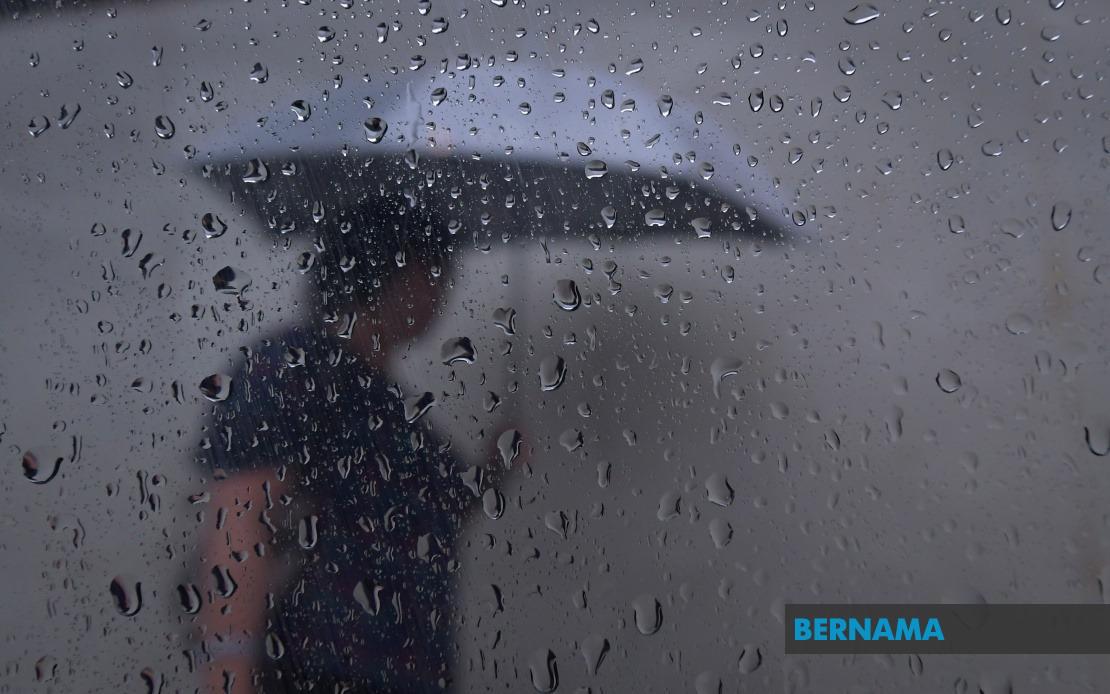
Weather officials have issued a cautionary forecast for early voters participating in Johor's 16th state election, with precipitation expected to affect multiple districts during the preliminary voting phase scheduled for tomorrow. The Johor Meteorological Department, under the direction of Azlai Ta'at, has identified Batu Pahat, Muar, Pontian, and Tangkak as particularly vulnerable to morning showers that could influence voter turnout and logistical operations at polling stations.
In contrast, several other constituencies across the state are anticipated to enjoy relatively clear skies during morning hours. Johor Bahru, Segamat, Kluang, Kota Tinggi, Mersing, and Kulai are expected to experience fine and sunny conditions throughout the morning period, potentially encouraging higher early voter participation in these areas. This geographic variation in weather patterns reflects typical afternoon convective activity common across Peninsular Malaysia during this monsoon season.
The meteorological forecast takes on considerable significance given that atmospheric conditions are predicted to deteriorate substantially as the day progresses. Azlai warned that thunderstorms would become widespread across all districts in Johor by the afternoon, creating operational challenges for election officials managing voting stations and potentially discouraging voters from participating later in the day. This projection underscores the importance of temporal planning for both eligible voters and electoral authorities.
Recognizing these weather constraints, the meteorological director has strongly encouraged early voters to complete their balloting during morning hours when conditions remain more manageable. Such guidance carries practical implications for military and police personnel who comprise the early voting cohort, as wet weather and reduced visibility could complicate their transport to polling locations and movement through voting stations. The advisory essentially creates an implicit urgency for this segment of the electorate to prioritise voting before afternoon deterioration.
Johor's early voting process represents a significant logistical undertaking, with approximately 24,751 individuals expected to cast ballots across 64 designated stations beginning at 8 am. This early voting category encompasses two distinct groups: 12,041 Malaysian Armed Forces personnel alongside their spouses, and 12,710 Royal Malaysia Police and General Operations Force members with their spouses. These provisions recognise the operational demands and deployment schedules that prevent military and law enforcement personnel from voting on the standard election day.
The staggered closing times for early voting centres, ranging from noon to 6 pm depending on local circumstances and registered voter numbers, introduce additional complexity to voter planning. Those centres closing earlier may experience compressed voter traffic if the afternoon weather warnings materialise as predicted, potentially creating queuing issues and longer wait times. Conversely, centres operating until 6 pm may encounter diminished participation during their final hours if thunderstorms and heavy rain materialise as forecast.
Johor's broader electoral landscape encompasses 2,727,926 eligible voters distributed across 1,140 polling centres for the scheduled Saturday polling day. The 56 state seats remain highly competitive, with 172 candidates contesting across constituencies that vary significantly in demographics, voter density, and geographic characteristics. This represents a substantial democratic exercise that will determine the state's political trajectory over the coming electoral term.
The early voting phase serves a crucial institutional function within Malaysia's electoral framework, accommodating citizens whose professional obligations prevent standard participation. By providing advance polling opportunities, the Election Commission demonstrates commitment to inclusive democratic participation while acknowledging the legitimate constraints facing uniformed personnel. However, weather disruptions during this preliminary phase could inadvertently suppress participation among this demographic if accessibility challenges arise.
For Malaysian voters and election observers, the meteorological forecasts carry broader implications for overall turnout predictions and electoral logistics. Weather conditions substantially influence voter behaviour across all democracies, with rainfall and thunderstorms typically correlating with reduced participation. In the Johor context, morning showers affecting roughly one-quarter of districts could produce measurable impacts on early voting numbers, while widespread afternoon storms might dampen Saturday's ordinary polling should similar patterns persist.
Election officials have tacitly acknowledged weather-related challenges by permitting extended closing times at certain centres, effectively providing flexibility within the electoral schedule. This adaptive approach recognises that unexpected atmospheric conditions might necessitate accommodation measures to ensure all eligible early voters can participate without undue hardship. The decision to allow staggered closing times reflects pragmatic election management informed by decades of Malaysian electoral experience.
Looking forward, meteorological monitoring will remain critical throughout the early voting period and into Saturday's main polling day. Should afternoon thunderstorms materialise as predicted, election authorities may need to implement contingency measures protecting ballot materials, managing voter flow, and maintaining security at polling locations. Adequate staffing and supply management become particularly important when weather conditions restrict accessibility and create operational bottlenecks.
For Johor's political stakeholders across the competing coalitions and individual candidates, weather-related turnout variations could influence electoral outcomes, particularly in closely contested constituencies where marginal shifts in participation patterns determine results. The morning showers affecting four districts represent a neutral factor affecting all candidates equally, yet the broader afternoon forecast for thunderstorms introduces unpredictability into Saturday's participation calculations. Campaign strategists will likely factor meteorological data into their final get-out-the-vote operations, emphasising early participation to weather-conscious supporters.

