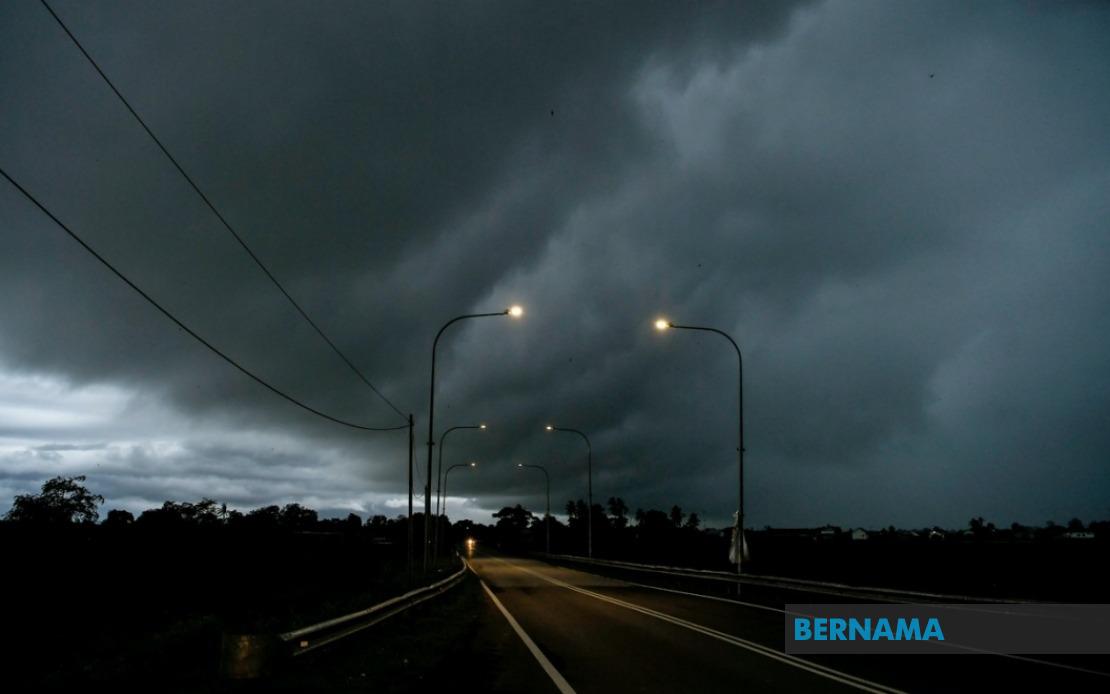
The Malaysian Meteorological Department has issued a comprehensive weather alert spanning multiple regions across the country, cautioning residents of thunderstorms, torrential rain and powerful wind gusts expected to persist through the early morning hours of June 19. The alert, which encompasses portions of six states plus the federal territory of Labuan, underscores the seasonal volatility affecting Malaysia's monsoon-influenced weather patterns during this period of the year.
In Peninsular Malaysia, the warning encompasses strategically dispersed areas that reflect the unpredictable nature of thunderstorm development across the region. Kedah faces heightened weather activity in three districts: Padang Terap, Sik and Baling, representing communities across the state's diverse geography. Perak residents in Hulu Perak, the state's inland northern region, should similarly prepare for severe conditions. Kelantan, situated on the eastern coast and typically vulnerable to intense convective weather systems, has been flagged across five separate district zones including Tumpat, Pasir Mas, Jeli, Tanah Merah and Kuala Krai. Meanwhile, Pahang's Jerantut district represents the inland central region's exposure to such meteorological hazards.
Sarawak, Malaysia's largest state by area, bears the most extensive warning coverage, indicating widespread atmospheric instability across the entire region. The affected localities demonstrate the broad geographical reach of the weather system, spanning from the coastal capital Kuching and surrounding areas including Serian and Samarahan, through the central zones of Sri Aman, Betong, Sarikei, Sibu and Kapit, extending to the northern districts of Bintulu, Miri and Limbang. This comprehensive coverage suggests a large-scale weather disturbance rather than isolated convective pockets, potentially indicating the passage of a monsoonal trough or similar organized system affecting the entire state.
Sabah likewise experiences significant territorial exposure through the warning system. The alert encompasses three distinct regions: the Interior division covering Kuala Penyu, the West Coast area including Putatan and Ranau—communities subject to local topographical influences on weather formation—and Sandakan division covering Telupid and Beluran in the state's eastern reaches. Labuan, the offshore federal territory positioned strategically in the South China Sea, has also received the alert, reflecting maritime weather considerations.
Thunderstorm warnings of this geographical magnitude carry substantial practical implications for Malaysian communities and economic activity. The forecasted heavy rainfall poses genuine risks to infrastructure, transportation networks and public safety, particularly in areas with vulnerable drainage systems or locations prone to flash flooding. The strong wind component adds another hazard dimension, potentially affecting structures, power lines and maritime operations throughout the warning zones.
For residents across these affected areas, the meteorological alert serves as an essential prompt to implement standard weather preparedness measures. Securing loose outdoor objects, avoiding unnecessary travel during peak storm activity, and monitoring local updates from MetMalaysia represent prudent responses. Motorists should exercise heightened caution on roadways where visibility may be compromised by heavy downpours and wind gusts, whilst boat operators and maritime workers require particular attention given the warning's broad application including coastal and offshore regions.
The temporal constraint of the warning—limited to approximately 12 hours from the announcement until 1 am June 19—suggests that the meteorological system is expected to traverse the affected regions relatively quickly, though its intensity during passage warrants serious attention. MetMalaysia's decision to issue coordinated warnings across such dispersed geographical zones demonstrates the interconnected nature of Malaysia's weather systems and the importance of maintaining real-time meteorological monitoring across the entire nation.
For businesses and public sector operations, the weather advisory necessitates contingency planning and resource allocation to manage potential disruptions. Construction activities, outdoor events and other weather-sensitive operations throughout the warning zones should factor in possible delays or temporary suspensions. Emergency response services across affected states and Labuan may experience elevated demand, requiring adequate personnel and equipment positioning.
Seasonal context enriches understanding of this meteorological event. June falls within the transition period toward the southwest monsoon season in Malaysian waters, characterized by atmospheric instability and variable convective activity. The alert's geographic distribution across both Peninsular Malaysia and East Malaysia suggests influences extending beyond simple local heating effects, potentially reflecting larger-scale atmospheric circulation patterns typical of this transitional period.
Residents and authorities across Kedah, Perak, Kelantan, Pahang, Sarawak, Sabah and Labuan should remain attentive to updates from MetMalaysia, as the meteorological situation may evolve requiring adjustment or extension of current warnings. The department's advisory framework provides the foundation for coordinated community response, and stakeholders should utilize the remaining hours before the anticipated weather onset to ensure proper preparations are completed.


%22%2F%3E%3C%2Fpattern%3E%3C%2Fdefs%3E%3Crect%20width%3D%22100%25%22%20height%3D%22100%25%22%20fill%3D%22url(%23ph40buhg)%22%2F%3E%3Crect%20width%3D%22100%25%22%20height%3D%22100%25%22%20fill%3D%22url(%23ph40buhp)%22%2F%3E%3Ctext%20x%3D%2250%25%22%20y%3D%2250%25%22%20text-anchor%3D%22middle%22%20dominant-baseline%3D%22central%22%20fill%3D%22rgba(255%2C255%2C255%2C0.95)%22%20font-family%3D%22Georgia%2C%20'Times%20New%20Roman'%2C%20serif%22%20font-weight%3D%22700%22%20font-size%3D%22320%22%20letter-spacing%3D%22-0.02em%22%3EGRS%3C%2Ftext%3E%3C%2Fsvg%3E)