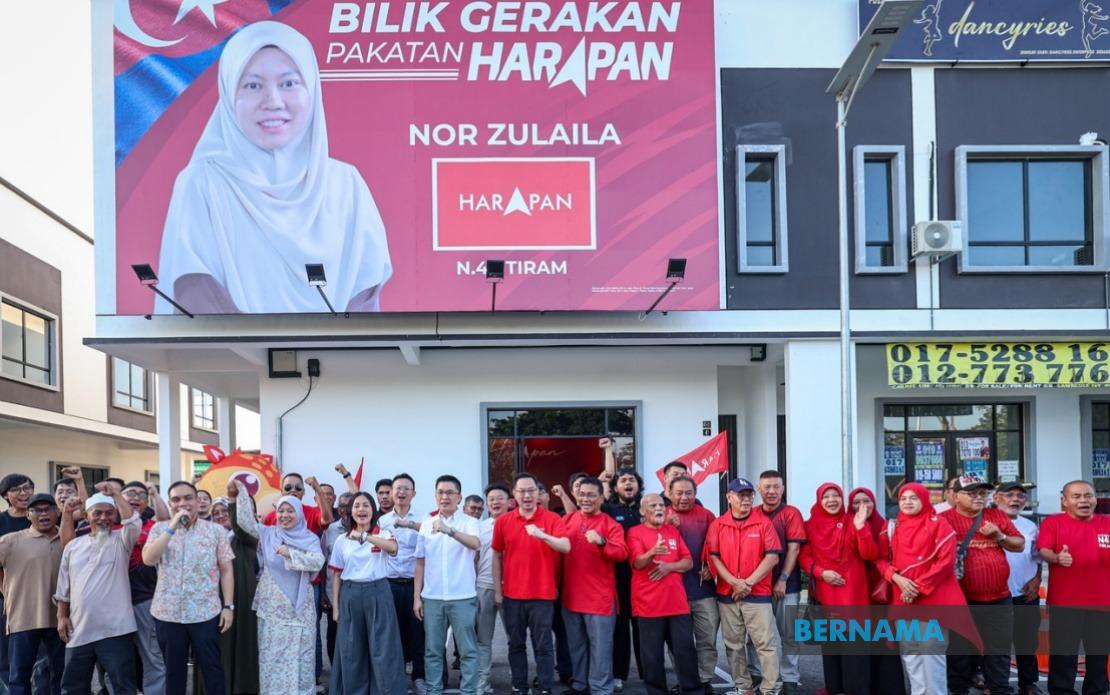
The Malaysian Communications and Multimedia Commission has been directed to maintain robust internet connectivity throughout the Johor state election campaign, a move authorities say is essential for supporting political activities and keeping voters informed. Deputy Communications Minister Teo Nie Ching made the announcement in Pasir Gudang on June 26, underscoring the technical infrastructure requirements that modern political campaigns now demand across the country.
Teo emphasised that reliable internet access serves as a critical backbone for contemporary electioneering, enabling seamless organisation of campaign events and efficient dissemination of electoral information to the voting public. The deputy minister stressed that maintaining quality connectivity would contribute significantly to the overall effectiveness and smoothness of the campaigning process across the state, particularly in locations expected to draw substantial crowds.
As part of this commitment, the MCMC has been instructed to conduct systematic monitoring operations, with particular attention to high-traffic areas and venues where major campaign activities are scheduled to take place. This proactive approach reflects growing recognition within Malaysian governance circles that digital infrastructure has become as crucial to electoral administration as traditional logistical considerations.
Teo, who also serves as chief of the Democratic Action Party in Johor, made these remarks during the launch of the Pakatan Harapan operations room for the N40 Tiram constituency in Taman Kota Masai. The event brought together several key coalition figures, including Deputy Education Minister Wong Kah Woh, Bangi MP Syahredzan Johan, Tebrau MP Jimmy Puah Wee Tse, and Pakatan Harapan's candidate for Tiram, Nor Zulaila Abdul Ghani.
On the ground campaign front, Teo reported that feedback from voters across Johor has been notably positive and encouraging for the coalition. This assessment comes as various campaign teams conduct extensive grassroots outreach across different neighbourhoods and constituencies throughout the state, gauging voter sentiment and mobilising support ahead of the July 11 polling date.
Particularly striking is evidence suggesting heightened voter enthusiasm, with many residents demonstrating commitment to participating in the electoral process even if they must travel back to their home constituencies to vote. This pattern indicates strong civic engagement and a willingness among voters to fulfil their democratic responsibilities, suggesting healthy participation rates may be expected on polling day across various demographic groups.
Regarding Pakatan Harapan's strategic approach, the DAP has adopted an egalitarian framework across its contested seats, deliberately avoiding the conventional practice of designating certain areas as safe strongholds. Teo explained that such categorisation could inadvertently foster complacency within party machinery and divert resources away from constituencies that might otherwise warrant intensive campaigning efforts.
Instead, the party intends to channel equivalent energy and resources across all 17 seats in its portfolio, acknowledging that each constituency presents distinct demographic challenges and political dynamics requiring tailored strategies. This comprehensive approach reflects an understanding that electoral outcomes in any state election remain inherently unpredictable, regardless of historical voting patterns or demographic composition.
The strategic decision to treat all contests with equal seriousness also signals that Pakatan Harapan is preparing for a competitive election where conventional assumptions about voter behaviour may not hold true. Such caution proves particularly relevant in Johor, where local political considerations and personality-based voting have historically influenced electoral outcomes, and where opposition parties have maintained significant grassroots presence.
The election timeline moves forward with nomination day scheduled for June 27, followed by early voting on July 7 and the main polling day on July 11. This compressed schedule requires efficient campaign execution and demonstrates why reliable infrastructure, including internet connectivity, has assumed heightened importance for all participating parties and election administrators.
For Malaysian observers, the emphasis on digital infrastructure during this election reflects broader national trends toward technology-enabled governance and campaign management. As elections become increasingly reliant on digital communication channels, social media engagement, and online coordination platforms, ensuring equitable internet access across all campaign areas becomes a matter of electoral fairness and democratic principle.
The MCMC's expanded monitoring role during this campaign period may also set precedent for future electoral cycles across Malaysia, particularly as the country experiences digital transformation across multiple governance sectors. The effectiveness of this initiative could influence how subsequent state and federal elections approach infrastructure planning and technical support for political activities.

