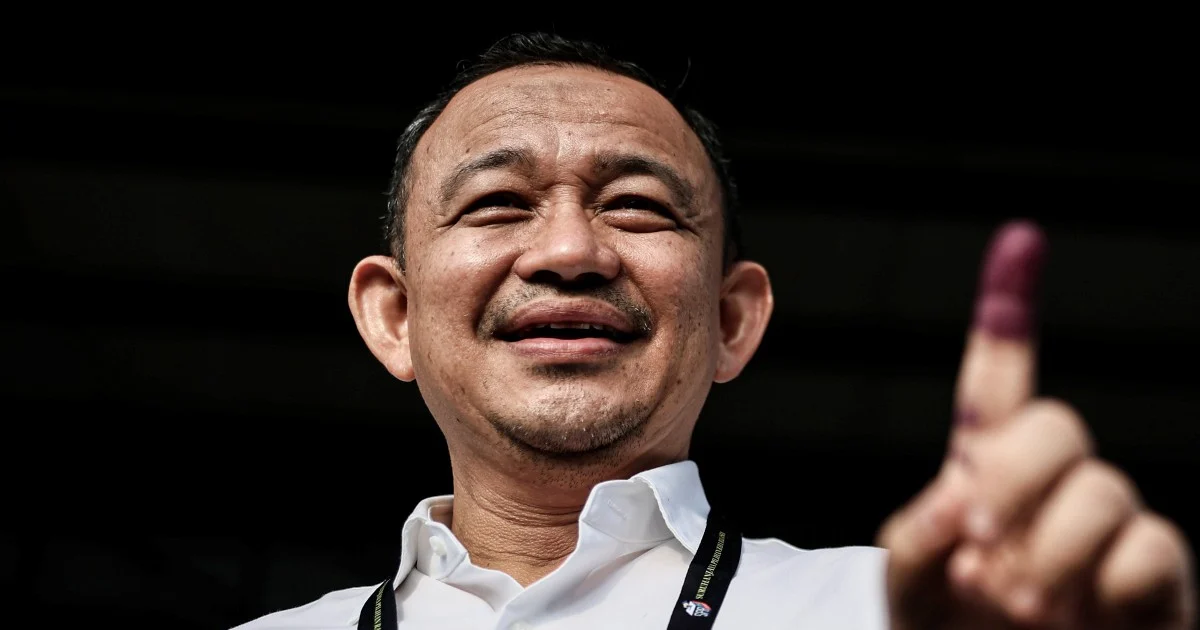
Dr Maszlee Malik, the former federal education minister, appears set to secure Puteri Wangsa for Pakatan Harapan's PKR component in the Johor state election, potentially marking the party's maiden victory in the southern state. The preliminary tallies suggest a significant breakthrough for the opposition coalition in a region where it has historically struggled to gain traction, offering an encouraging signal for PKR's organisational capacity and ground appeal in Johor's urban constituencies.
The Johor election results have unveiled a more nuanced political landscape than many anticipated, with territorial gains distributed across competing coalitions rather than following a single dominant narrative. While PH celebrates the prospect of its first state-level victory in Johor through Maszlee's candidacy, the broader picture reveals substantial inroads by Barisan Nasional into constituencies that were previously considered secure opposition holdings. This bidirectional political shift underscores the volatile nature of Malaysian electoral dynamics and the willingness of voters to split their support based on local factors and individual candidate appeal.
Maszlee's trajectory from a prominent position in the federal government to state-level electoral candidacy reflects the complicated fortunes of PH leadership since its 2018 election victory and subsequent loss of federal power. His entry into the Puteri Wangsa contest signals PKR's strategic investment in urban constituencies, where younger voters and educated professionals have shown receptiveness to reform-oriented messaging. The Puteri Wangsa seat, located within Johor Baru's municipal area, contains the demographic profile that typically favours opposition politics, making Maszlee's prospective victory less surprising than his candidacy itself.
Barisan Nasional's concurrent penetration of PH-held seats demonstrates that the coalition's rehabilitation efforts under renewed leadership structures have achieved measurable traction in some quarters. Several constituencies previously won by PH component parties appear to have swung towards BN candidates, suggesting that the opposition coalition's governance record at the state or federal level has faced local scrutiny. In Malaysian electoral politics, voter memory remains selective and performance-dependent; PH's mixed record in administering the federal government from 2018 to 2020 continues to reverberate in state-level contests, particularly in areas where implementation of promises has lagged behind rhetoric.
The Johor elections carry significance extending beyond the immediate contest. As one of Malaysia's most populous and economically consequential states, Johor's political composition influences the broader configuration of power at the national level. A strengthened opposition presence in the state assembly, even if partial, provides PH with additional platforms for policy advocacy and legislative scrutiny. Conversely, BN's resurgence in traditionally opposition areas suggests that the coalition retains sufficient organisational depth and resource capacity to compete effectively across diverse constituencies, contrary to earlier predictions of terminal decline.
Maszlee's background in education policy brings a specific policy orientation to his candidacy that may resonate with Puteri Wangsa's demographics. His earlier role at the federal level provided visibility and a policy record upon which voters could assess his competence, distinct from lesser-known candidates who rely primarily on party affiliation. This personalised dimension of electoral politics increasingly characterises Malaysian contests, where party machinery remains important but individual reputation and perceived effectiveness substantially influence outcomes.
The fragmented results across Johor reflect broader transformations in Malaysian electoral behaviour over the past five years. The sharp polarisation between BN and PH that characterised the 2018 federal election has given way to more diffuse voting patterns, with voters assessing candidates and local governance capacity rather than adhering rigidly to coalition allegiances. This volatility creates both opportunities and vulnerabilities for established political structures, as no coalition can assume voter loyalty independently of demonstrated performance.
For PKR specifically, a victory in Johor represents validation of its expansion strategy beyond its traditional Selangor stronghold. The party has long sought to establish credible presence in other major states, viewing Johor as crucial to any realistic federal political comeback. Maszlee's successful contest would provide a tangible achievement upon which the party could build, attracting political talent and generating organisational momentum in a state where PKR has previously struggled.
The electoral results also carry implications for federal politics. The composition of Johor's state assembly influences the delicate balance of power at the national level, particularly if neither major coalition commands an overwhelming parliamentary majority. Johor assemblymen occasionally cast decisive votes in confidence matters or constitutional amendments affecting the federal government. BN's gains in the state thus strengthen its hand in federal-level negotiations and coalition management, while any PH victories enhance the opposition's negotiating leverage.
Looking forward, these Johor election outcomes suggest that Malaysian politics remains malleable and resistant to simple categorisation. Voters continue to punish coalitions perceived as underperforming while remaining open to alternative candidates who demonstrate competence and policy clarity. For PH, Maszlee's victory in Puteri Wangsa offers a foundation for renewed efforts in Johor, though the concurrent BN advances demonstrate that no political advantage proves permanent without sustained attention to governance and constituent service. The state's political trajectory will likely remain contested and closely watched as an indicator of national-level sentiment.

