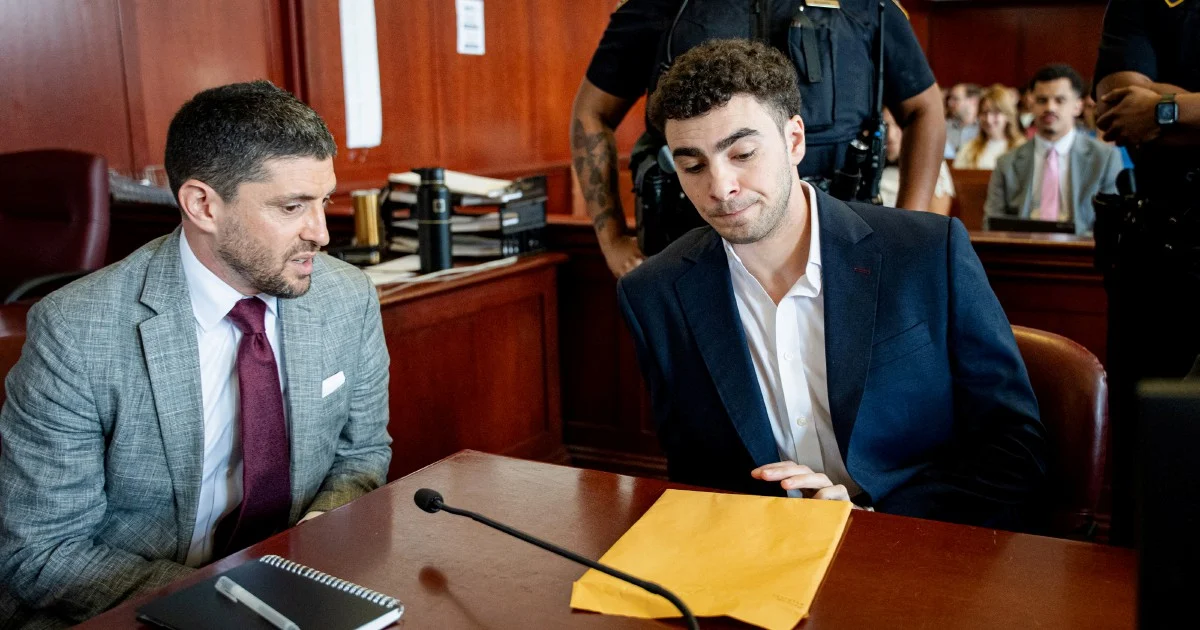
Luigi Mangione, the defendant charged with the December shooting death of UnitedHealthcare chief executive Brian Thompson on a Manhattan street, has decided to defer his strategy of introducing evidence related to severe mental health disturbances during the time of the alleged homicide, court documents filed Friday reveal. The tactical shift marks a significant development in one of the country's most high-profile criminal cases, which has drawn intense scrutiny from both law enforcement and the public across the United States.
The decision to withdraw mental health defence evidence at this stage does not indicate abandonment of such arguments entirely, but rather postponement until later phases of the legal proceedings. Defence counsel typically employ this approach when evaluating the strength of their case, the trajectory of prosecution evidence, and the potential impact of psychological testimony on jury perception. By deferring this line of defence, Mangione's legal team appears to be reassessing their courtroom strategy as preliminary proceedings advance.
Mangione faces murder charges related to the November 2024 killing of Thompson, the chief executive of one of America's largest health insurance providers. The case emerged amid widespread public discourse surrounding healthcare costs and insurance industry practices in the United States. The alleged crime occurred in Manhattan's Hell's Kitchen neighbourhood, and the incident generated considerable media attention partly because many observers viewed the victim's industry role with considerable scepticism.
Mental health defences in high-profile murder cases carry substantial weight but also risk significant complications. Introducing psychological evidence can be a double-edged strategy: it may persuade jurors that diminished capacity or severe disturbance affected the defendant's culpability, but it simultaneously opens the defendant to extensive prosecution examination of their mental state, prior treatment history, and psychiatric evaluations. Courts typically require substantial medical documentation and expert testimony to support such defences credibly.
The timing of this withdrawal suggests Mangione's defence team is carefully calibrating their approach as discovery continues and they evaluate the prosecution's evidence against their client. Preliminary hearings and pre-trial motions typically reveal the prosecution's investigative findings, forensic evidence, witness statements, and other material relevant to establishing guilt. Defence strategists must weigh whether mental health evidence strengthens their position or provides the prosecution with additional avenues for scrutiny.
In New York criminal law, evidence of mental illness can factor into insanity defences, diminished capacity arguments, or mitigation during sentencing phases. However, each approach carries distinct legal requirements and thresholds. The decision to postpone does not preclude future introduction of such evidence if circumstances warrant. Defence teams frequently reassess their tactical positioning as trials approach, particularly when additional information becomes available through the discovery process.
Mangione's case has attracted unusual public interest partly because many Americans harbour frustrations with the health insurance industry's role in healthcare accessibility and affordability. Thompson's position as a prominent insurance executive added another dimension to public discourse surrounding the case. However, legal proceedings must focus on factual evidence and applicable law regardless of broader societal attitudes toward the defendant's alleged motive.
For Malaysian and Southeast Asian observers, this case illustrates how Western legal systems handle high-profile homicides, the role of mental health considerations in criminal defence, and the strategic complexities facing defence counsel in serious felony cases. The American approach to such defences differs meaningfully from criminal justice frameworks in Malaysia and neighbouring jurisdictions, where mental health considerations may be treated differently under relevant legislation and procedural rules.
The withdrawal of mental health defence plans at this stage indicates Mangione's legal team is engaged in the complex calculus that defines white-collar and high-profile criminal defence strategy. As preliminary proceedings continue, additional tactical adjustments may follow. The case will likely evolve considerably before reaching trial, with each procedural step potentially reshaping both prosecution and defence positions.
Court filings surrounding major criminal cases often reveal incremental strategic shifts rather than wholesale changes in defence approach. This particular development, while significant, represents one move in what may prove a lengthy litigation process. The coming weeks and months will likely bring additional motions, evidentiary challenges, and tactical repositioning from both sides as the case progresses toward trial.
Mangione remains incarcerated pending trial proceedings. The case continues to generate media coverage and public discussion, particularly given the prominent position of the alleged victim and the circumstances of the alleged crime. Defence strategy, prosecution evidence, and legal proceedings will ultimately determine the case's outcome, independent of external commentary or public sentiment surrounding healthcare industry criticism that may have influenced initial public reactions to the alleged crime.