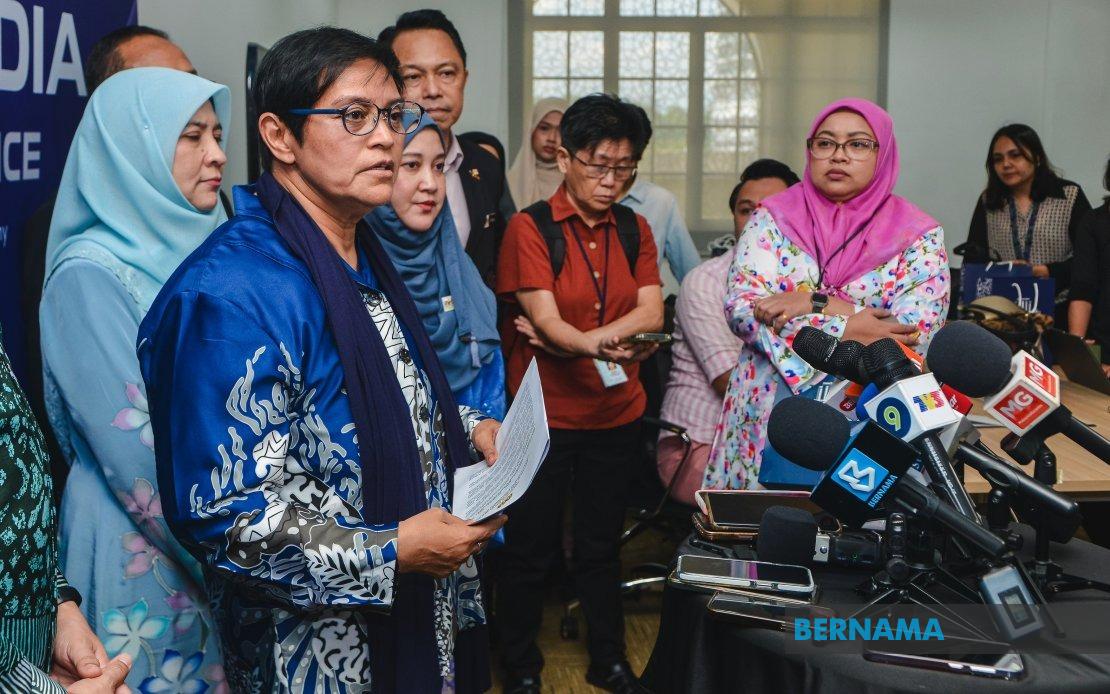
Malaysia's incoming Anti-Bullying Act 2026 marks a significant departure from traditional criminal liability frameworks by introducing parental joint responsibility for bullying offences. The legislation, formally unveiled by Minister in the Prime Minister's Department (Law and Institutional Reform) Datuk Seri Azalina Othman Said on June 16, establishes a shared family accountability mechanism that goes substantially beyond conventional approaches to youth misconduct. Under this framework, parents may face direct legal consequences for their children's bullying behaviour, including joint liability for fines and related penalties imposed by authorities. This approach signals a policy shift recognising family dynamics as central to preventing youth violence and harassment.
The parental liability provision represents one of the Act's cornerstone reforms, fundamentally altering how Malaysian law addresses bullying incidents. Unlike most criminal statutes that confine liability to individual perpetrators, the Anti-Bullying Act 2026 distributes accountability across the family unit. Azalina emphasised that this mechanism extends beyond merely holding a child responsible—it creates binding obligations on parents themselves. The shared responsibility model operates on the premise that families bear collective accountability for shaping children's behaviour and conduct. This joint liability encompasses not only criminal culpability but also financial consequences, meaning parents cannot escape financial repercussions through legal technicalities or by distancing themselves from their children's actions.
The decision to implement parental joint liability responds directly to escalating bullying incidents across Malaysian schools and communities, many of which have resulted in tragic deaths and severe psychological harm. Azalina noted that the tribunal's establishment was motivated by these alarming trends and the devastating real-world consequences of unchecked bullying behaviour. The Act reflects growing recognition that bullying extends beyond individual cruelty—it represents a serious societal concern warranting institutional intervention and comprehensive legal remedies. By involving parents directly in the accountability framework, legislators aim to encourage greater parental supervision, responsibility and engagement in their children's social conduct and digital behaviour.
To enforce these provisions effectively, Malaysia has established the Anti-Bullying Tribunal, a specialised judicial body headquartered at the Asian International Arbitration Centre (AIAC) in Kuala Lumpur. The tribunal comprises fifty-six appointed members, including legal experts and specialists in child development, child psychology and related fields. This multidisciplinary composition ensures that cases receive nuanced evaluation considering both legal standards and developmental contexts. The tribunal's establishment represents substantial institutional investment in addressing bullying through dedicated expertise rather than channelling cases through conventional courts. This specialisation allows tribunal members to develop sophisticated jurisprudence specifically calibrated to bullying dynamics and their psychological and social dimensions.
Operational flexibility distinguishes the tribunal's approach from traditional judicial systems. Rather than confining proceedings to a single centralised location, the tribunal conducts hearings nationwide utilising diverse facilities including schools, Legal Aid Department offices, courtrooms and virtual platforms. This geographical distribution and multiple hearing formats enhance accessibility for victims, witnesses and families across Malaysia's diverse landscape. Six physical and virtual hearing zones have been established nationwide by optimising existing infrastructure within the Legal Affairs Division (BHEUU), the Insolvency Department and Legal Aid Bureau. The integration of online proceedings particularly benefits rural communities and individuals with mobility constraints, democratising access to specialised bullying adjudication.
Victims enjoy enhanced procedural rights under the new legislation, notably the capacity to lodge complaints directly with the Anti-Bullying Tribunal regardless of where bullying incidents occurred. This removes institutional gatekeeping, meaning schools and hostels cannot suppress complaints or prevent victims from pursuing legal remedies. Previously, students facing bullying outside institutional settings might have encountered barriers accessing justice through school-based mechanisms. The Act liberates victims from dependence on institutional management structures, particularly significant given frequent institutional reluctance to acknowledge or address bullying incidents. This victim-centred approach prioritises individual agency and justice accessibility over institutional reputation protection.
The tribunal has established a dedicated public portal enabling online case registration and complaint submission. This digital infrastructure removes geographical and logistical barriers to accessing the tribunal system, particularly benefiting younger users comfortable with online engagement. The portal represents investment in accessible technology infrastructure recognising that contemporary bullying increasingly occurs through digital channels—social media, messaging platforms and online gaming environments. By creating corresponding digital complaint mechanisms, the tribunal acknowledges modern bullying's technological dimensions. The online portal also generates valuable data regarding bullying patterns, perpetrator demographics and incident types, enabling evidence-based policy refinement and targeted prevention initiatives.
The parental joint liability provision will likely generate significant practical and philosophical debate within Malaysian society. Proponents will argue that parental responsibility encourages greater family engagement in child supervision and behaviour management, potentially preventing bullying incidents before they escalate. Critics may contend that holding parents liable for children's actions, particularly adolescents, unfairly punishes caregivers for circumstances partially beyond their control. Implementation will depend substantially on how tribunal members interpret the legislation's language regarding parental knowledge, negligence and causality. Courts will eventually need to determine what parental conduct constitutes sufficient responsibility to trigger liability, and whether knowledge of bullying behaviour is prerequisite to parental accountability.
For Malaysian families and schools, the Act's implications extend beyond courtroom proceedings into everyday family dynamics and institutional practices. Parents face incentives to monitor their children's social interactions, online activities and peer relationships more vigilantly. Schools and hostels, despite losing gatekeeping power over complaints, may experience increased parental engagement as families recognise potential financial and legal consequences of bullying behaviour. The legislation effectively privatises some bullying prevention burden, placing responsibility on family units rather than exclusively on educational institutions. This represents both opportunity and risk—opportunity for enhanced preventive action at family level, and risk that economically disadvantaged families lacking resources for supervision may face disproportionate penalties.
Regional implications warrant consideration as Malaysia implements this pioneering legislation. Other Southeast Asian jurisdictions facing similar bullying crises may examine the Anti-Bullying Act 2026 as a potential model, though cultural and legal contexts differ substantially across the region. The parental joint liability approach reflects distinctly Malaysian policy preferences regarding family responsibility and collective accountability. Neighbouring countries with different legal traditions and family law frameworks would require significant adaptation before implementing similar provisions. However, Malaysia's comprehensive tribunal system and accessibility-focused infrastructure may offer valuable lessons for regional peers designing bullying prevention mechanisms.


%22%2F%3E%3C%2Fpattern%3E%3C%2Fdefs%3E%3Crect%20width%3D%22100%25%22%20height%3D%22100%25%22%20fill%3D%22url(%23ph40buhg)%22%2F%3E%3Crect%20width%3D%22100%25%22%20height%3D%22100%25%22%20fill%3D%22url(%23ph40buhp)%22%2F%3E%3Ctext%20x%3D%2250%25%22%20y%3D%2250%25%22%20text-anchor%3D%22middle%22%20dominant-baseline%3D%22central%22%20fill%3D%22rgba(255%2C255%2C255%2C0.95)%22%20font-family%3D%22Georgia%2C%20'Times%20New%20Roman'%2C%20serif%22%20font-weight%3D%22700%22%20font-size%3D%22320%22%20letter-spacing%3D%22-0.02em%22%3EGRS%3C%2Ftext%3E%3C%2Fsvg%3E)