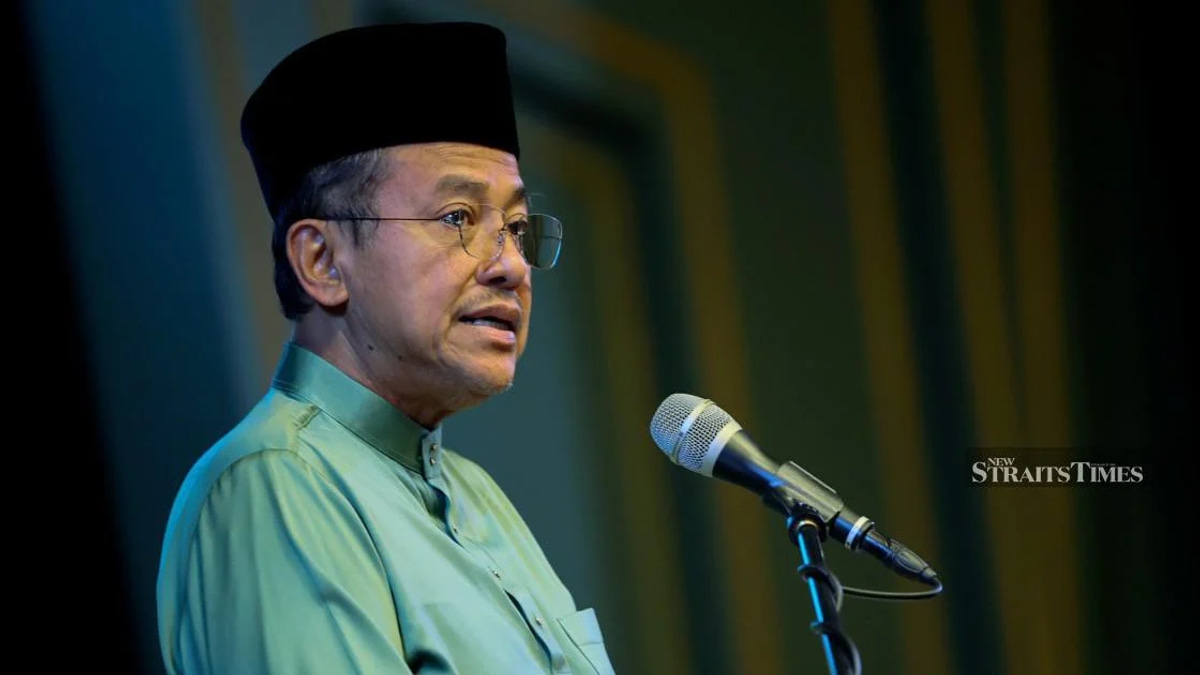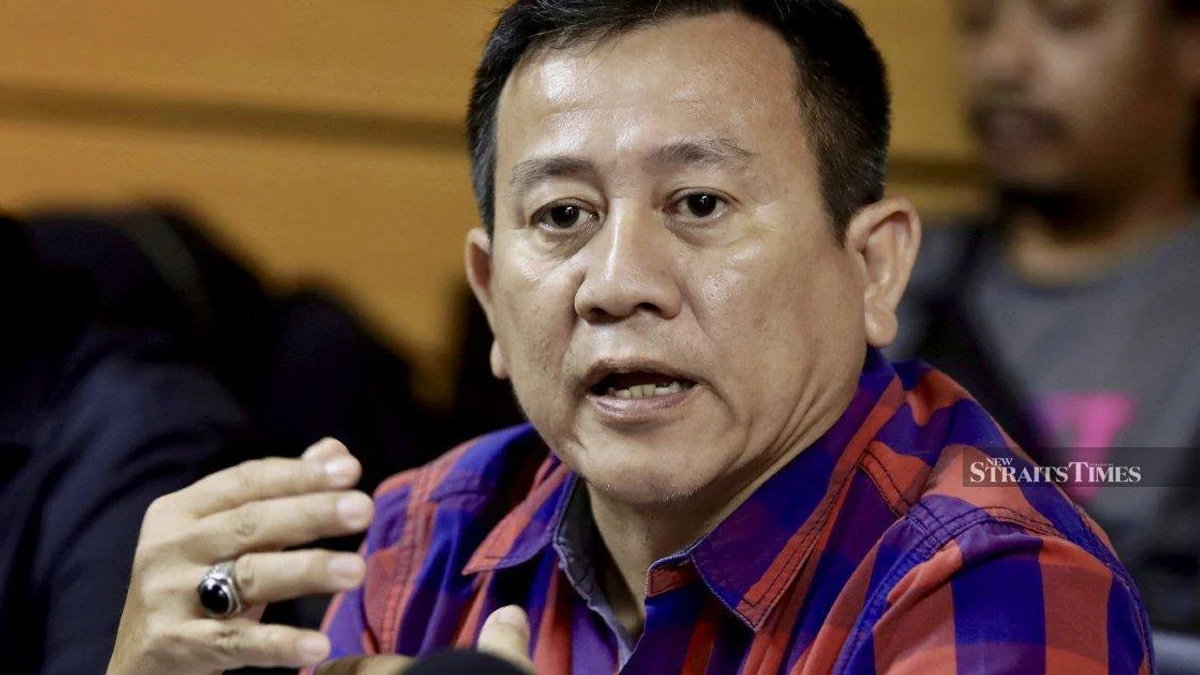
Malaysia's senior government officials marked Father's Day on June 21 by publicly honouring the role of fathers in families and society, with Deputy Prime Ministers Datuk Seri Dr Ahmad Zahid Hamidi and Datuk Seri Fadillah Yusof leading tributes that emphasised the often understated yet profound contributions men make as parents and guardians.
Ahmad Zahid, who also serves as Rural and Regional Development Minister, drew a poignant distinction between the public perception of fatherhood and its deeper reality. He observed that while fathers may present an outward calm and composure to the world, this exterior masks the countless ways in which they labour quietly to secure their families' futures. Through his Facebook message, he illustrated how a father's devotion operates beneath the surface, manifested not through grand declarations but through the accumulated weight of sacrifice, daily effort, and persistent prayer.
The Rural and Regional Development Minister invoked the Malaysian film Papazola to articulate his point, suggesting that paternal affection rarely finds expression in words but instead becomes visible through action and endurance. This cultural reference resonates deeply within the Malaysian context, where traditional expectations often dictate that fathers demonstrate love through provision and protection rather than verbal affirmation. Ahmad Zahid's reflection challenges the assumption that love must be articulated to be meaningful, proposing instead that the hardships fathers willingly undertake constitute their primary declaration of care.
Acknowledging the transient nature of family bonds, Ahmad Zahid extended a broader appeal to children and adult offspring to maximise their time with fathers while opportunity remains. His message stressed the importance of active engagement—visiting fathers, inquiring about their wellbeing, and verbalising affection that may have accumulated unsaid across years or decades of family life. This exhortation addresses a particular challenge in modern Malaysian society, where rapid urbanisation and economic demands often separate extended family members across geographical distances.
Fadillah Yusof, simultaneously holding the Energy Transition and Water Transformation portfolio, expanded the conversation by examining fatherhood through a more expansive lens. Rather than confining fathers to their economic function as breadwinners—a role that dominates much popular discourse about masculinity and parental responsibility—Fadillah identified multiple dimensions of paternal contribution. His articulation encompassed education, protection, and the often-underestimated responsibility of modelling behaviour and character for the next generation.
The Deputy Prime Minister noted the linguistic diversity surrounding paternity across Malaysia's multicultural landscape, referencing the various terms by which fathers are known—bapa in Malay, ayah in some communities, abah as an Islamic honorific, papa in English-influenced settings, and walid, abi, appa, and apak across different ethnic and linguistic backgrounds. This enumeration serves a dual purpose: it acknowledges Malaysia's plural society while suggesting that across all these cultural frameworks, the role of father transcends simple economic provision to encompass deeper spiritual, educational, and relational dimensions.
Fadillah articulated how the quality time fathers spend with their children, the wisdom transmitted through guidance, and the values demonstrated through personal conduct collectively construct the foundation upon which stable families and, by extension, cohesive societies are built. This framing positions fatherhood not as a private domestic concern but as a social asset that generates broader community benefits, a perspective that elevates the role of fathers from the intimate sphere into the public domain of national concern.
Communications Minister Datuk Fahmi Fadzil joined the ministerial chorus, offering public gratitude to fathers for their manifold contributions and invoking blessings for their continued health, strength, and contentment. Fahmi's intervention, while brief, signified that the tribute crossed party and ministerial portfolio lines, indicating broad governmental consensus on the importance of recognising paternal contributions during this observance.
Health Minister Datuk Seri Dr Dzulkefly Ahmad introduced a preventive health dimension into the Father's Day discourse, urging fathers to prioritise their physical wellbeing as an extension of their responsibility to their families. This intervention reflects a growing awareness within Malaysia's health establishment that paternal longevity and vitality carry consequences far beyond the individual, determining whether fathers can witness their children's accomplishments, attend important family milestones, and sustain their role as family anchors through time. By framing health maintenance as a paternal duty rather than a personal indulgence, Dr Dzulkefly reoriented health promotion around family obligation rather than individual benefit—a messaging strategy potentially more resonant within family-centred Malaysian culture.
The coordinated tribute from multiple cabinet members reflects an intentional governmental effort to mainstream recognition of paternal roles during a cultural observance that, while increasingly commercialised globally, remains meaningful within Malaysian family structures. The emphasis on sacrifice, quiet dedication, and the often-unspoken nature of paternal love speaks to broader values embedded in Malaysian society regarding duty, family obligation, and the subordination of personal desires to collective family welfare. These ministerial statements thus function simultaneously as personal tributes, cultural reinforcement of specific family values, and implicit commentary on the evolving understanding of masculinity and parental responsibility within contemporary Malaysia.