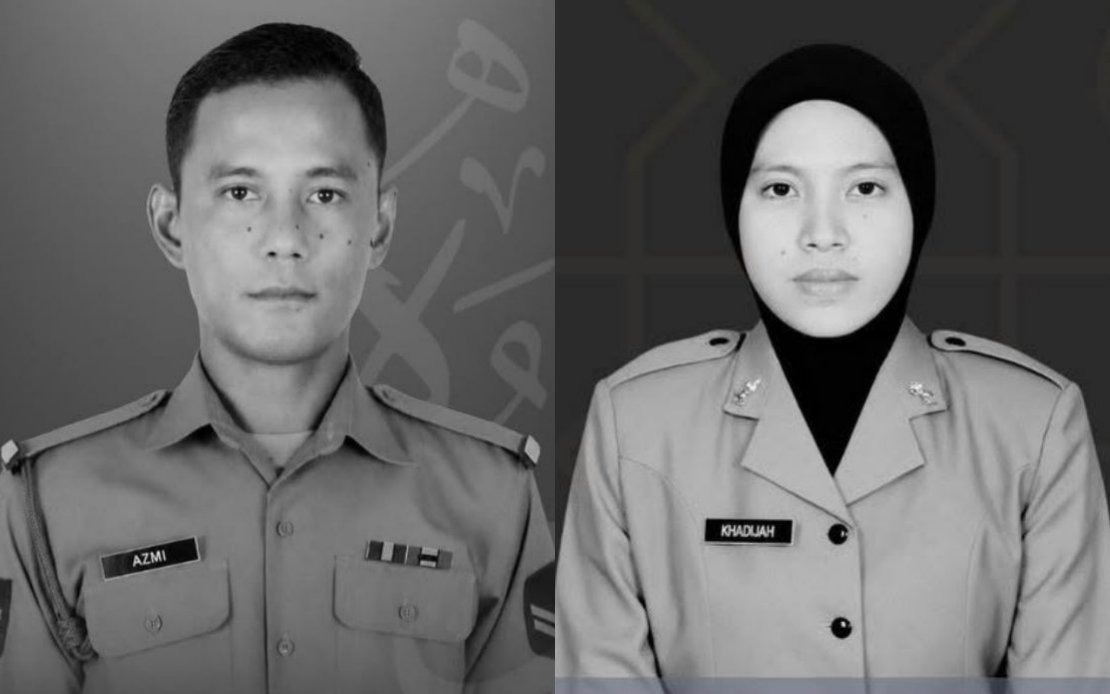
A tragic training accident has claimed the lives of two Malaysian Army personnel at Hobart Camp shooting range in Gurun, Kedah, prompting an immediate and comprehensive inquiry into safety protocols. The Malaysian Army confirmed on June 16 that Corporal Norazmi Abu Bakar from the 6th Battalion, Royal Malay Regiment (6 RAMD), and Private Siti Khadijah Sungip from the 1st Squadron, Royal Army Engineers Regiment (1 RAJD), were killed in an explosion during grenade-throwing exercises that occurred at 10.57 am.
Both personnel sustained critical injuries in the incident and were rushed to Sultan Abdul Halim Hospital in Sungai Petani, where they were pronounced dead on arrival. The nature of their injuries, sustained during what should have been routine training, underscores the inherent dangers associated with live ammunition and explosive ordnance exercises, even under controlled conditions with experienced personnel and established safety measures.
The tragedy occurred while the two soldiers were participating in RAJD Combat Enhancement Training, a programme overseen by the 2nd Infantry Division. This specialised training curriculum is designed to equip army engineers with advanced tactical and practical skills necessary for modern combat operations. The fact that the incident happened during such a structured and presumably well-supervised training session raises questions about the adequacy of current safety procedures and whether additional protective measures could be implemented.
The remains of both service members have been transferred to Sultanah Bahiyah Hospital in Alor Setar for post-mortem examination, a standard procedure that will provide crucial forensic evidence about the circumstances of the blast. These findings will be instrumental in determining whether the explosion resulted from equipment malfunction, procedural error, or other factors that require systemic correction.
Army Chief General Tan Sri Azhan Md Othman has initiated a full and immediate investigation to establish the precise cause of the incident. This formal inquiry represents a critical opportunity to identify any gaps in training protocols, equipment maintenance schedules, or safety briefing procedures that may have contributed to the tragedy. The military recognises that such investigations are essential not merely for accountability, but for preventing similar incidents in the future.
General Azhan expressed profound condolences to the families of Corporal Norazmi Abu Bakar and Private Siti Khadijah Sungip, acknowledging the immeasurable loss experienced by their loved ones. The loss of military personnel in training accidents carries particular weight, as these deaths occur not in operational theatres but during preparation for service. Families must grapple not only with grief but with the knowledge that their relatives were serving their nation when the tragedy occurred.
The Malaysian Army has committed to a comprehensive review of all training safety procedures based on the investigation's findings. This statement reflects institutional accountability and a recognition that military training, while inherently involving risk, must incorporate every feasible safeguard to minimise preventable casualties. The review will likely encompass equipment inspection protocols, trainer certification requirements, medical response procedures, and participant briefing standards across all training establishments.
Grenade-throwing exercises occupy a fundamental place in military training worldwide, as soldiers must develop proficiency with these weapons to execute their operational responsibilities. However, the transition from theoretical instruction to live training inevitably introduces elevated risk. Malaysia's military, like armed forces globally, must continuously balance the operational necessity of realistic training against the imperative to protect service members' lives during preparation activities.
The incident at Hobart Camp serves as a sobering reminder of the sacrifices made by military personnel and the dangers they face even in non-combat contexts. For the families of those lost, the investigation and subsequent safety improvements represent both a form of memorial and an effort to ensure that future service members benefit from lessons paid for at tremendous human cost. The Malaysian public, while mourning these two soldiers, should recognise that military training accidents, though tragic, drive institutional learning that ultimately strengthens operational capability and force protection.
The Army's commitment to reviewing and improving safety protocols across all training initiatives reflects a mature institutional approach to risk management. As the investigation proceeds, military leadership faces the challenge of maintaining realistic training standards while implementing enhanced protective measures. The outcome will likely influence not only Malaysian Army procedures but potentially set benchmarks for training safety across the wider regional defence community.


%22%2F%3E%3C%2Fpattern%3E%3C%2Fdefs%3E%3Crect%20width%3D%22100%25%22%20height%3D%22100%25%22%20fill%3D%22url(%23ph40buhg)%22%2F%3E%3Crect%20width%3D%22100%25%22%20height%3D%22100%25%22%20fill%3D%22url(%23ph40buhp)%22%2F%3E%3Ctext%20x%3D%2250%25%22%20y%3D%2250%25%22%20text-anchor%3D%22middle%22%20dominant-baseline%3D%22central%22%20fill%3D%22rgba(255%2C255%2C255%2C0.95)%22%20font-family%3D%22Georgia%2C%20'Times%20New%20Roman'%2C%20serif%22%20font-weight%3D%22700%22%20font-size%3D%22320%22%20letter-spacing%3D%22-0.02em%22%3EGRS%3C%2Ftext%3E%3C%2Fsvg%3E)