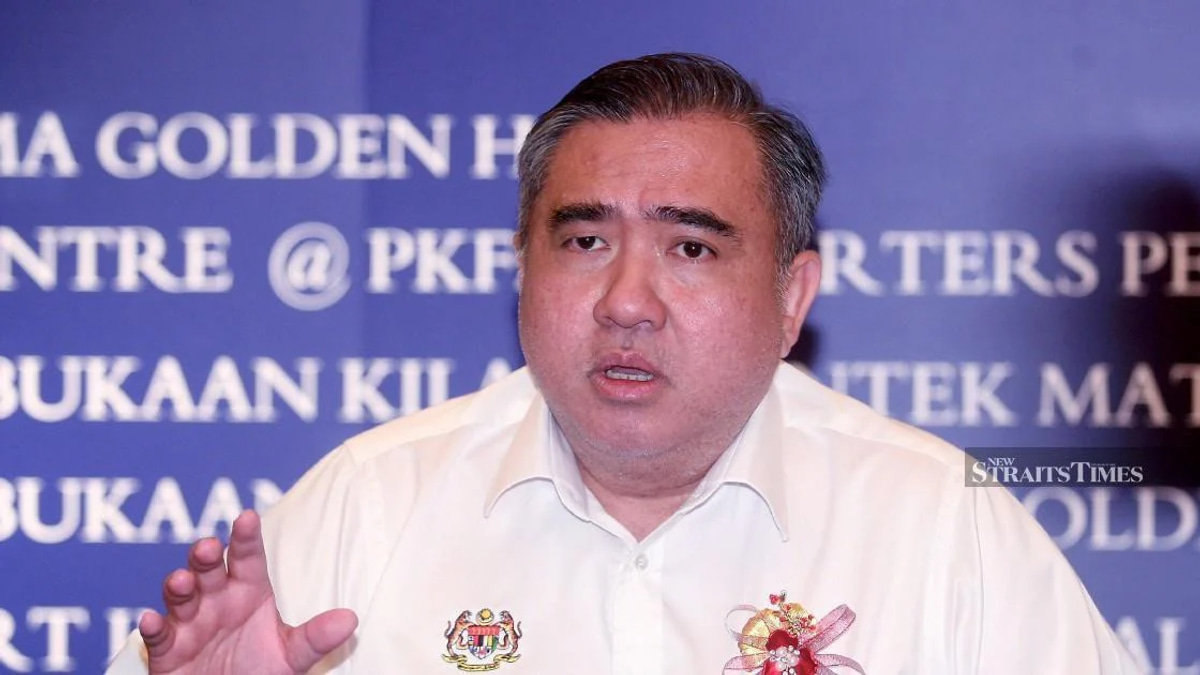
Malaysia's Prime Minister Datuk Seri Anwar Ibrahim has expressed strong support for an emerging accord between the United States and Iran designed to terminate their protracted hostilities, signalling Kuala Lumpur's backing for diplomatic resolution in a region of considerable strategic importance to Southeast Asian trade and energy interests. Through a public statement on social media, Anwar acknowledged the significance of the developing understanding and welcomed confirmation that both parties intend to formalise their agreement through a memorandum within the immediate timeframe.
The Malaysian leader specifically recognised the crucial role played by Pakistan in facilitating negotiations that brought the two adversaries closer to de-escalation. This acknowledgement reflects the importance of regional actors in conflict resolution mechanisms, a principle Malaysia itself has long advocated within ASEAN and broader international forums. Pakistan's involvement underscores how nations with diplomatic channels to both Washington and Tehran can serve as constructive intermediaries, a model relevant to other intractable disputes in Asia.
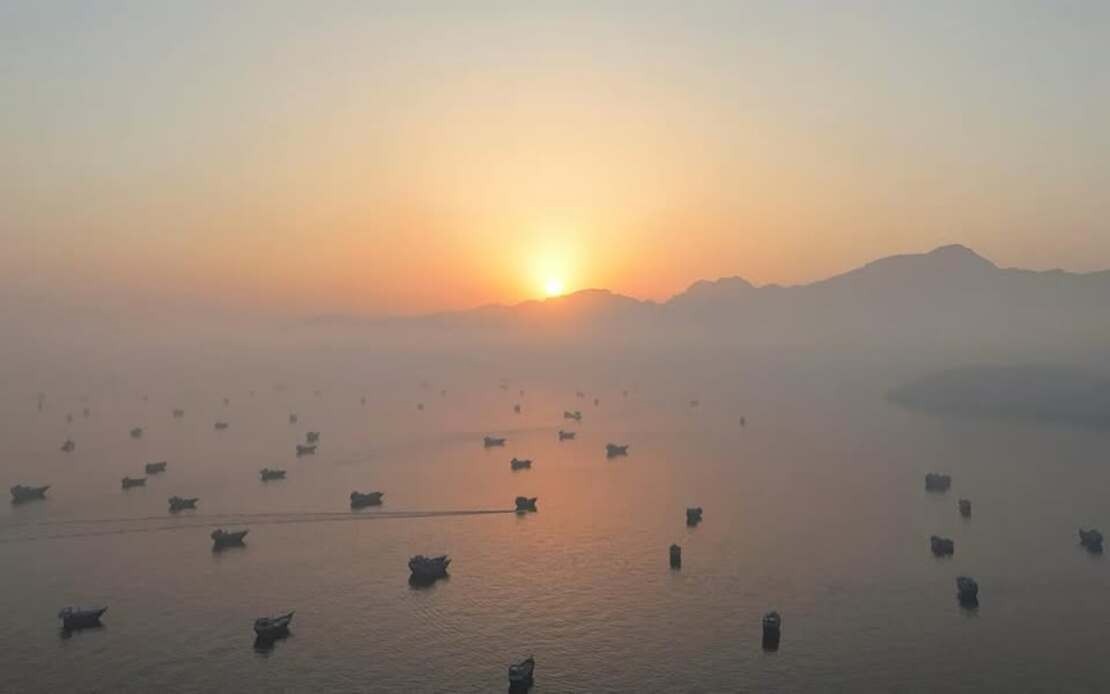
At the heart of Anwar's intervention lies a concern that directly affects Malaysia and the wider region: the restoration of unimpeded passage through the Strait of Hormuz for commercial shipping. This narrow waterway between Iran and Oman represents one of the world's most vital maritime chokepoints, through which approximately one-fifth of global oil consumption passes daily. For Malaysia, an energy-dependent nation with substantial maritime trade routes, any prolonged closure or instability in this corridor carries severe economic consequences, affecting everything from fuel prices at domestic pumps to manufacturing competitiveness.
The Prime Minister characterised the Strait as a critical artery for both international energy security and global commerce, emphasising that extended disruption serves no stakeholder's interests—not those of Iran, the United States, nor the countless nations dependent on free passage. This framing positions the reopening as a matter transcending bilateral politics; it becomes a multilateral imperative that demands urgent action from all involved parties.
Anwar's statement reflected a call for principled engagement, urging all actors to proceed with genuine intent to negotiate rather than posture for tactical advantage. He explicitly demanded that parties accelerate implementation rather than allowing the understanding to languish in procedural delays, a practical concern given how diplomatic breakthroughs can lose momentum amid bureaucratic processes or political changes. The urgency in his language suggests awareness that windows of opportunity in high-stakes diplomacy can narrow quickly if not actively pursued.
The Prime Minister issued a pointed cautionary note to external actors, warning against actions that might undermine the fragile diplomatic progress or reignite confrontation. This warning likely encompasses military activities, inflammatory rhetoric, or support for proxies that could destabilise the emerging détente. Malaysia, as a non-aligned nation with interests across multiple power blocs, frequently advocates for restraint by all parties when regional tensions threaten to spiral beyond direct disputants.
In positioning Malaysia as a constructive supporter of peace efforts, Anwar committed his government to backing further moves toward what he termed a just and lasting settlement. This pledge carries symbolic weight in international diplomacy; smaller powers can rarely enforce outcomes, but their public endorsement lends legitimacy to peace processes and signals willingness to contribute through whatever means available, whether diplomatic, economic, or humanitarian.
The breakthrough announcement came after US President Donald Trump declared on Sunday that finalisation of an agreement had been achieved, alongside his authorisation to reopen the Strait of Hormuz and lift a longstanding naval blockade that had restricted Iranian maritime commerce. Trump's decisive action, moving from rhetorical agreement to concrete measures, represented the kind of implementation momentum that Anwar was emphasising as essential for transforming understanding into durable peace architecture.
For Malaysia and Southeast Asia more broadly, this development carries implications beyond immediate geopolitical theatre. Energy prices, maritime security, and investment confidence across the region respond to Middle Eastern stability. Any prolonged US-Iran confrontation threatens to disrupt the global supply chains and shipping lanes upon which ASEAN economies depend for growth and competitiveness. The potential reopening of the Strait therefore represents not merely a Middle Eastern concern but a material development affecting Southeast Asian prosperity.
The Malaysian position also reflects a broader diplomatic philosophy: that inclusive, patient mediation involving respected regional intermediaries can achieve more durable outcomes than zero-sum confrontation or external pressure alone. By publicly supporting the process while urging good faith implementation, Anwar positioned Malaysia within an emerging consensus favouring de-escalation—a stance that aligns with the nation's historical preference for dialogue and its role as a bridge between different international constituencies.
The delicate balance Anwar struck in his intervention—welcoming progress while warning against renewed instability—illustrates the diplomatic tightrope that smaller nations must walk when major powers move toward settlement after prolonged tension. Too much enthusiasm risks appearing partisan; too much caution undermines credibility as a peace advocate. By emphasising mutual interests in stability rather than taking sides, Malaysia demonstrated the kind of principled pragmatism that underpins effective regional diplomacy in Southeast Asia.

%22%2F%3E%3C%2Fpattern%3E%3C%2Fdefs%3E%3Crect%20width%3D%22100%25%22%20height%3D%22100%25%22%20fill%3D%22url(%23ph40buhg)%22%2F%3E%3Crect%20width%3D%22100%25%22%20height%3D%22100%25%22%20fill%3D%22url(%23ph40buhp)%22%2F%3E%3Ctext%20x%3D%2250%25%22%20y%3D%2250%25%22%20text-anchor%3D%22middle%22%20dominant-baseline%3D%22central%22%20fill%3D%22rgba(255%2C255%2C255%2C0.95)%22%20font-family%3D%22Georgia%2C%20'Times%20New%20Roman'%2C%20serif%22%20font-weight%3D%22700%22%20font-size%3D%22320%22%20letter-spacing%3D%22-0.02em%22%3EGRS%3C%2Ftext%3E%3C%2Fsvg%3E)