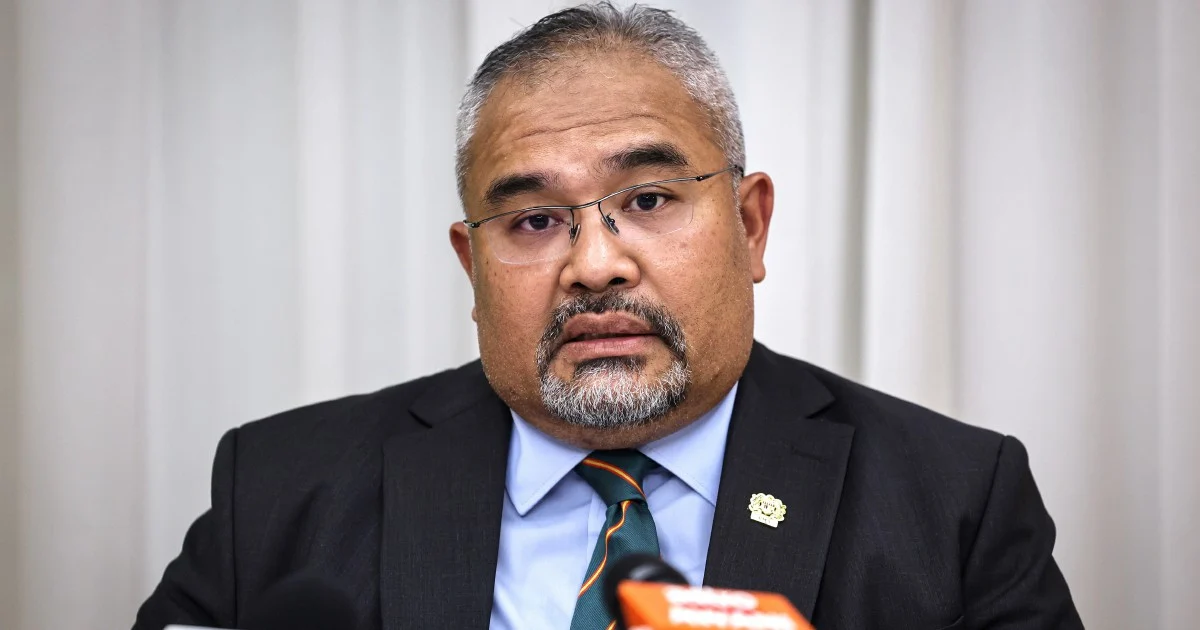
Prime Minister Datuk Seri Anwar Ibrahim is undertaking a significant diplomatic mission to Ashgabat from June 18 to 19, signalling Malaysia's commitment to expanding its engagement with Central Asia and diversifying its international partnerships beyond the Asia-Pacific region. The two-day visit represents a rare high-level bilateral engagement and underscores the potential for meaningful economic collaboration between the two nations across multiple sectors.
The energy sector stands at the forefront of Malaysia's strategic interests in Turkmenistan, a nation endowed with vast reserves of natural gas and oil that remain relatively underexploited in regional markets. Malaysia, as an established player in upstream and downstream petroleum industries, sees opportunities to participate in Turkmenistan's resource development while potentially securing long-term energy supplies for domestic consumption and export-oriented industries. The visit provides a platform for exploring joint ventures, technology transfer agreements, and collaborative frameworks that could position Malaysian companies in Central Asian energy markets.
Beyond hydrocarbons, the two nations are exploring synergies in the transportation and logistics spheres. Turkmenistan's geographical location at the crossroads of Asia creates natural advantages for regional trade corridors, while Malaysia's sophisticated port facilities and established shipping networks could complement Central Asian development initiatives. The possibility of establishing direct maritime and air freight routes between the two countries would enhance connectivity and reduce transit times for goods destined for Southeast Asian and broader Asian markets.
Agricultural cooperation presents another avenue for bilateral advancement, particularly given Malaysia's expertise in tropical agriculture, palm oil production, and agro-technology innovation. Turkmenistan, with its continental climate and substantial arable land, possesses different agricultural comparative advantages that could complement Malaysian capabilities. Knowledge-sharing arrangements, training programmes, and potential investments in food processing and value-added agricultural products could mutually benefit both economies.
The timing of Anwar's visit reflects Malaysia's broader strategic recalibration towards Central Asia, a region often overlooked by Southeast Asian nations despite its economic potential and geopolitical significance. Turkmenistan's neutral foreign policy stance and its position within the Shanghai Cooperation Organization framework make it a valuable partner for Malaysia's diversification efforts. Strengthening ties with Central Asian states also aligns with Malaysia's aspiration to be a truly regional and global player, rather than limiting itself to ASEAN-centric diplomacy.
From Turkmenistan's perspective, engaging with Southeast Asian nations offers access to sophisticated markets, technology expertise, and potential investment capital. Malaysia's established role in the Islamic Development Bank and various Islamic finance mechanisms could facilitate development projects in Turkmenistan. Additionally, Malaysian businesses' experience in navigating complex emerging markets and establishing profitable operations in diverse regulatory environments could provide valuable lessons for Turkmenistan's economic modernization efforts.
The visit also carries implications for the broader regional architecture of Central Asia and Southeast Asia connectivity. As China's Belt and Road Initiative continues reshaping trade patterns and infrastructure development across Eurasia, Malaysia's engagement with Turkmenistan ensures that Southeast Asian nations maintain independent diplomatic channels and commercial relationships rather than becoming passive observers of China-dominated regional integration.
Bilateral discussions are likely to culminate in signed agreements establishing frameworks for enhanced cooperation, possibly including institutional arrangements such as joint commissions, business councils, or sectoral working groups. These mechanisms, while often appearing ceremonial, create legitimate channels for ongoing dialogue and help translate political goodwill into tangible commercial outcomes. Such structured arrangements are particularly valuable for countries with limited historical interaction that need systematic mechanisms to build trust and understanding.
For Malaysian exporters and investors, a strengthened relationship with Turkmenistan opens doors to Central Asian markets where Malaysian products and services currently face limited penetration. Malaysian palm oil, electrical and electronic products, and engineering services could find expanded demand in Turkmenistan and potentially throughout the Central Asian region through Ashgabat as a gateway. Conversely, Malaysian markets could benefit from Turkmen energy products and raw materials, creating a balanced bilateral trade relationship.
The diplomatic initiative also reflects Malaysia's nuanced approach to foreign policy under Anwar's leadership, emphasizing strategic autonomy and pragmatic engagement with diverse partners. Rather than confining Malaysia's international activities to established corridors, the visit demonstrates a willingness to explore unconventional partnerships that could yield long-term strategic and economic benefits. This outward-looking approach resonates with Malaysia's historical role as a maritime trading nation and positions the country to benefit from emerging opportunities in underutilized regions.
Success in establishing robust Malaysia-Turkmenistan relations could serve as a model for deeper Southeast Asian engagement with Central Asia, potentially encouraging other ASEAN members to similarly prioritize diplomatic and economic initiatives in the region. Such a development would contribute to a more multipolar Asian architecture, reducing over-reliance on established great powers and creating space for smaller nations to forge independent bilateral relationships based on mutual interests and complementary capabilities.

%22%2F%3E%3C%2Fpattern%3E%3C%2Fdefs%3E%3Crect%20width%3D%22100%25%22%20height%3D%22100%25%22%20fill%3D%22url(%23ph40buhg)%22%2F%3E%3Crect%20width%3D%22100%25%22%20height%3D%22100%25%22%20fill%3D%22url(%23ph40buhp)%22%2F%3E%3Ctext%20x%3D%2250%25%22%20y%3D%2250%25%22%20text-anchor%3D%22middle%22%20dominant-baseline%3D%22central%22%20fill%3D%22rgba(255%2C255%2C255%2C0.95)%22%20font-family%3D%22Georgia%2C%20'Times%20New%20Roman'%2C%20serif%22%20font-weight%3D%22700%22%20font-size%3D%22320%22%20letter-spacing%3D%22-0.02em%22%3EGRS%3C%2Ftext%3E%3C%2Fsvg%3E)