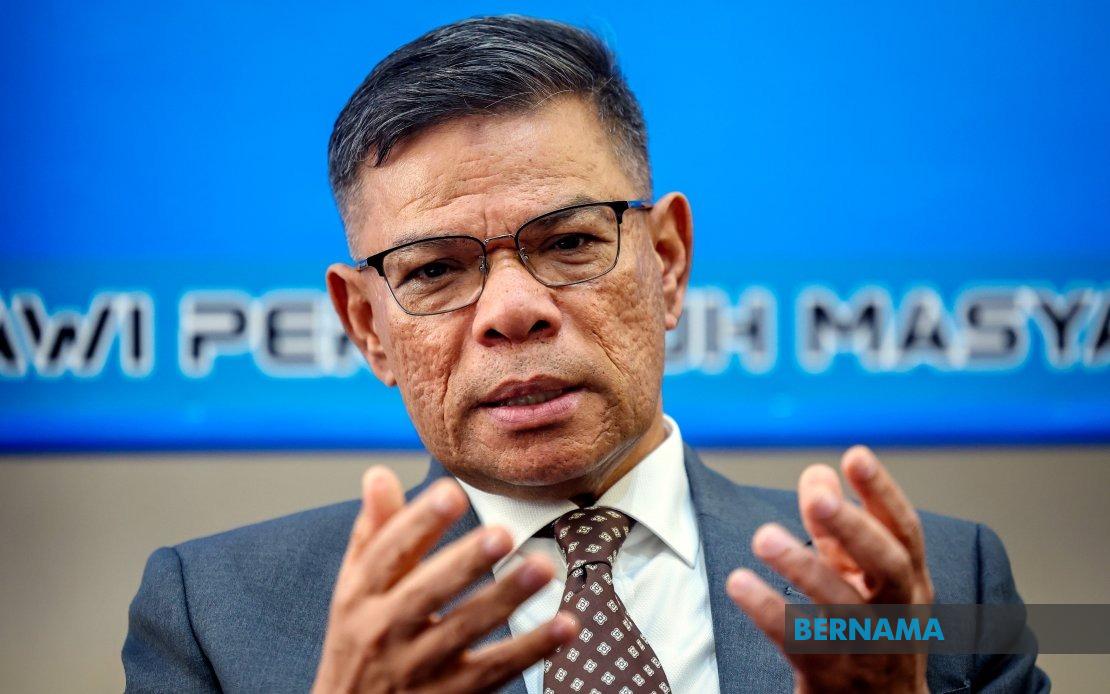
Border authorities in Malaysia have successfully managed vehicle movements across the two principal land crossing points separating the country from Singapore on election day for Johor's 16th state assembly polls. Home Minister Datuk Seri Saifuddin Nasution Ismail confirmed that operations at Sultan Iskandar Building (BSI) and Sultan Abu Bakar Complex (KSAB) proceeded without disruption on the morning of the vote, with the Malaysian Border Control and Protection Agency (AKPS) providing positive updates on traffic conditions throughout the checkpoint areas.
The ministerial statement came as approximately 2.6 million eligible voters prepared to cast their ballots in the state election, with many travelling from across the region, particularly from neighbouring Singapore. The scale of expected cross-border movement prompted authorities to implement comprehensive contingency measures designed to prevent the congestion that typically accompanies major electoral events. By sharing a 29-second video documenting conditions at both entry points, Saifuddin underscored the effectiveness of the operational response, publicly commending the border control personnel for their coordination efforts.
AKPS had initiated heightened alert status at both checkpoints to accommodate the anticipated surge in vehicular traffic returning from Singapore. The agency activated specially designated lanes operating around the clock, alongside hybrid processing counters and contra-flow arrangements that allowed bidirectional traffic management depending on demand patterns. These infrastructure adjustments began at 12:01 am on election day and were scheduled to remain operational until 6 pm, providing a 18-hour window of enhanced capacity during the period when voter turnout would likely peak.
The decision to deploy maximum operational resources reflected recognition of the unique challenge posed by Johor's geographic position directly adjacent to Singapore. Unlike other Malaysian states, Johor experiences regular cross-border commuting patterns that intensify during significant civic events. The election commission had anticipated heightened participation from voters with family or professional ties across the Johor Strait, necessitating careful orchestration of immigration and customs procedures to prevent bottlenecks that could deter participation or create public frustration.
Johor's 16th state election represented a significant political moment for the southern region, with 172 candidates competing across 56 state assembly constituencies. Election authorities had prepared infrastructure across 1,076 polling centres, equipping them with 4,889 voting channels to facilitate simultaneous voting beginning at 8 am. This logistical undertaking required coordination across multiple government agencies beyond border management, including election administration, local authorities, and security personnel stationed throughout the state.
The Election Commission established an ambitious voter turnout target of approximately 70 percent, reflecting expectations of robust public engagement with the electoral process. Officials projected that comprehensive results would become available as early as 10 pm, permitting timely announcement of outcomes and allowing the state government formation process to proceed expeditiously. This timeline depended partly on efficient border operations enabling voters from Singapore and beyond to participate without encountering transport delays that might suppress turnout or compress the voting window.
For Malaysian readers and regional observers, the successful management of the Malaysia-Singapore border crossings during an election cycle carries several implications. Effective border operations during high-traffic periods demonstrate institutional capacity to handle genuine emergencies or natural disasters requiring large-scale population movements. The coordination between AKPS, electoral authorities, and traffic management agencies illustrated how governmental bodies can prepare systematically for predictable surges in demand, a capability increasingly relevant as regional mobility increases.
The contrast between pre-election preparation and actual performance also reflects broader improvements in border infrastructure and personnel training over recent years. Both BSI and KSAB have undergone modernisation initiatives, incorporating digital processing systems that accelerate passenger and vehicle screening. The deployment of hybrid counters combining automated and manual processing represents the evolution of border management toward systems accommodating legitimate traffic increases while maintaining security protocols.
From a Southeast Asian perspective, smooth border operations during major civic events enhance regional stability and public confidence in governmental institutions. Singapore and Malaysia maintain one of the world's highest-traffic land borders, with hundreds of thousands crossing daily for work, education, and commerce. Demonstrating capacity to manage electoral participation without disrupting regular traffic patterns signals mature institutional governance to residents on both sides of the Johor Strait and reinforces confidence that routine cross-border activity can proceed reliably alongside democratic participation.
The successful execution of enhanced border protocols during Johor's election also provides operational lessons applicable to other jurisdictions and future events. As Southeast Asian nations experience increasing voter migration and participation from diaspora communities, managing border capacity during elections becomes a shared technical challenge. Malaysia's approach—deploying advance planning, temporary infrastructure enhancements, and clear public communication through ministerial statements—offers a replicable model for other countries navigating similar pressures.
For voters specifically, the confirmation of smooth border flows removed a potential obstacle to political participation. Malaysian citizens residing or working in Singapore face genuine logistical barriers to voting, and reports of efficient border processing likely encouraged turnout among this constituency. Similarly, Singaporean residents of Johor who maintain electoral eligibility in Malaysia faced fewer disincentives to returning to vote, potentially expanding the democratic base and ensuring electoral outcomes reflected broader geographic constituencies.
The positive border management outcome also reflected credit to AKPS personnel who operated the checkpoints. Border control work during surge periods requires sustained attention and physical stamina from staff managing repeated processing cycles. Public ministerial acknowledgement of their performance served both to recognise their contribution and to signal that institutional leadership valued their professional commitment, potentially reinforcing morale within border agencies stretched across multiple checkpoints nationwide.

