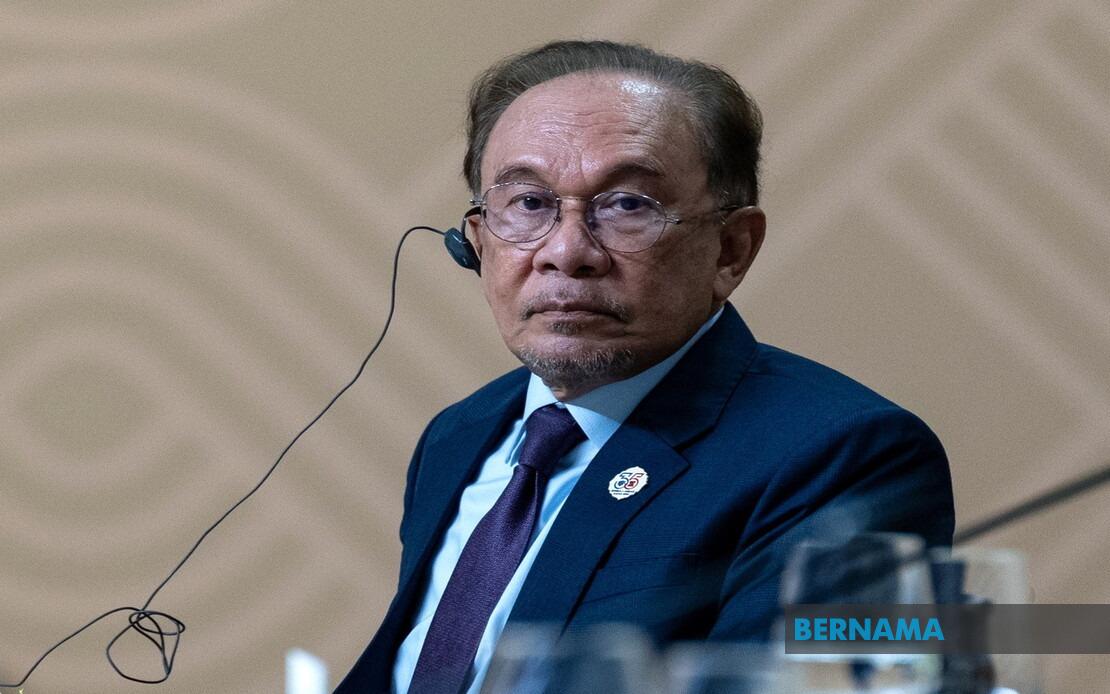
Prime Minister Datuk Seri Anwar Ibrahim believes the emerging memorandum of understanding between the United States and Iran offers genuine prospects for resolving the protracted conflict destabilising West Asia and achieving sustainable regional peace. Speaking in Kazan after attending the 35th ASEAN-Russia Commemorative Summit on Thursday, Anwar drew attention to constructive momentum in the diplomatic process, though he acknowledged the compressed timeframe for finalising a comprehensive agreement.
The window for concluding negotiations stretches across a sixty-day period—a relatively tight deadline for resolving matters of such geopolitical magnitude. Despite the challenging timeline, Anwar indicated that recent consultations with key regional and international players have reinforced his confidence that substantive progress is being made. The precision of this deadline suggests the parties involved have committed to a structured approach, moving beyond preliminary discussions towards concrete commitments.
A significant portion of Anwar's optimism derives from direct intelligence shared by Pakistan Prime Minister Shehbaz Sharif, who has assumed a critical intermediary position throughout the negotiations. Sharif has reportedly maintained comprehensive involvement at every negotiating stage, engaging both sides transparently and maintaining consistent dialogue on the substance of proposed arrangements. This level of sustained engagement from a respected regional voice carries weight in assessing the authenticity of reported progress.
During his engagement with Russian President Vladimir Putin at the Kazan summit, Anwar received reassurance that Moscow similarly perceives movement toward a favourable resolution. Putin's alignment with Anwar's assessment suggests that major powers with competing interests in West Asian stability are converging around the possibility of a successful outcome. Russia's perspective is particularly significant given its historical ties to Iran and its broader strategic interests in regional geopolitical balance.
Yet Anwar exercised measured caution when evaluating the likelihood of success, pointedly noting the unpredictable dimensions introduced by the Trump administration's involvement. The return of Donald Trump to the US presidency has previously complicated Iran negotiations, with his administration's withdrawal from the Joint Comprehensive Plan of Action in 2018 having dramatically escalated tensions. Anwar's acknowledgement of this variable reflects the genuine uncertainties embedded within the diplomatic process, even as he maintains an essentially positive outlook.
The broader regional context makes this negotiation critically important for Southeast Asian nations. A US-Iran conflict represents a fundamental threat to international commerce, maritime security in crucial waterways, and broader geopolitical stability that inevitably affects countries throughout Asia. Malaysia, as a major shipping nation and participant in regional forums addressing security, has direct stakes in de-escalation between these powers. Anwar's diplomatic engagement reflects Malaysia's interest in facilitating pathways toward resolution.
The positioning of Malaysia within this diplomatic conversation also demonstrates the expanding role of ASEAN nations in addressing global conflicts. As the gathering in Kazan illustrated through its ASEAN-Russia context, Southeast Asian voices are increasingly sought in international forums discussing major security challenges. Malaysia's presence and Anwar's engagement with both Pakistani and Russian leadership underscore how regional balance-keepers have become integral to addressing conflicts extending well beyond their immediate geography.
Successful resolution of the US-Iran tensions would carry profound implications extending throughout the Middle East and beyond. Reducing confrontation between these antagonists could stabilize energy markets, diminish proxy conflicts affecting multiple nations, and create conditions for broader diplomatic engagement across the region. For Malaysia and other trading nations, such stabilisation translates directly into more predictable economic conditions and reduced risks to shipping and commerce.
The involvement of Pakistan as a key mediator reflects Islamabad's unique positioning within regional dynamics and its relationships spanning both sides of the US-Iran divide. Pakistan's willingness to undertake this delicate role, combined with Sharif's reported comprehensive engagement, suggests that the mediation effort extends beyond symbolic gestures toward substantive problem-solving. This mediating architecture, involving players like Pakistan and encompassing major powers including Russia, represents a genuinely multilateral approach to conflict resolution.
Anwar's statement reflects Malaysia's preference for diplomatic pathways over military escalation, a consistent position affirmed through multiple forums and engagements. By voicing public optimism grounded in consultations with credible mediators, Anwar contributes to building momentum toward resolution whilst managing expectations about the challenges remaining. His emphasis on prayer alongside diplomatic engagement reveals the profound stakes involved in these negotiations for nations throughout the region.
The coming sixty days will test whether the reported positive trajectory translates into concrete agreements. Success would vindicate the efforts of mediating nations and provide reassurance to international observers concerned about escalating tensions. For Malaysia and other Southeast Asian nations navigating geopolitical pressures, such resolution would create more favourable conditions for pursuing regional development priorities without constant diversion of diplomatic and security resources to managing distant conflicts.

%22%2F%3E%3C%2Fpattern%3E%3C%2Fdefs%3E%3Crect%20width%3D%22100%25%22%20height%3D%22100%25%22%20fill%3D%22url(%23ph40buhg)%22%2F%3E%3Crect%20width%3D%22100%25%22%20height%3D%22100%25%22%20fill%3D%22url(%23ph40buhp)%22%2F%3E%3Ctext%20x%3D%2250%25%22%20y%3D%2250%25%22%20text-anchor%3D%22middle%22%20dominant-baseline%3D%22central%22%20fill%3D%22rgba(255%2C255%2C255%2C0.95)%22%20font-family%3D%22Georgia%2C%20'Times%20New%20Roman'%2C%20serif%22%20font-weight%3D%22700%22%20font-size%3D%22320%22%20letter-spacing%3D%22-0.02em%22%3EGRS%3C%2Ftext%3E%3C%2Fsvg%3E)