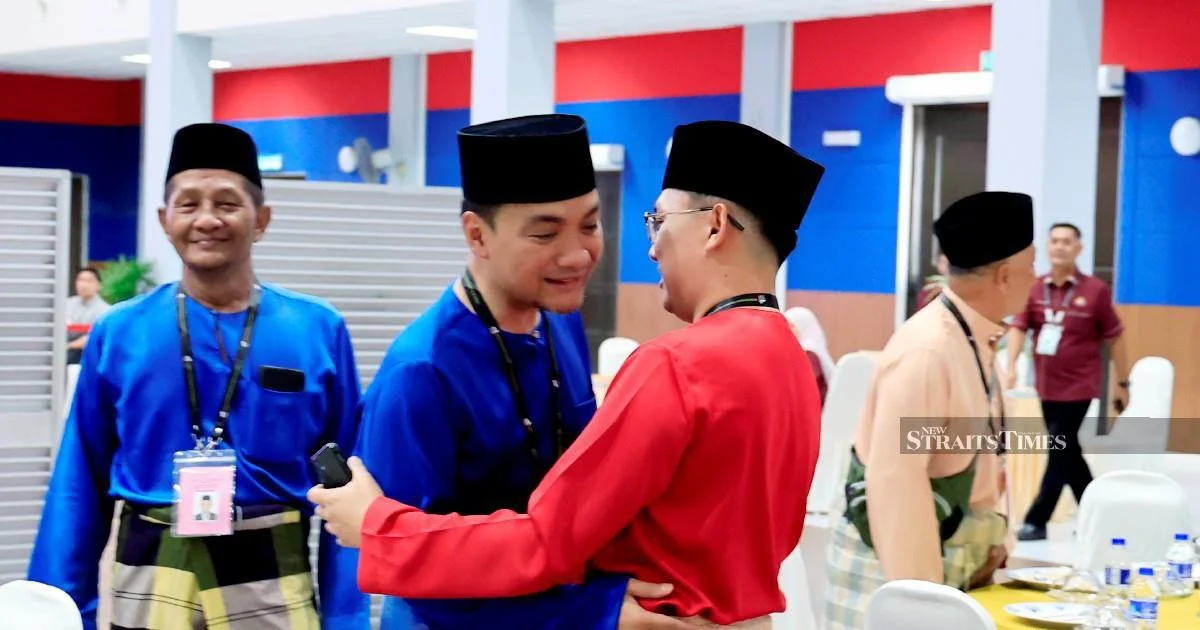
Machap has been confirmed as a straight two-way contest in the Johor state election, with caretaker Menteri Besar Datuk Onn Hafiz Ghazi standing for Barisan Nasional against a challenger backed by Pakatan Harapan. The absence of a third candidate means voters in this constituency will face a binary choice that could carry significant implications for the state's political direction.
The confirmation of a two-candidate race in Machap is particularly notable given the current political landscape in Johor, where BN has maintained substantial organisational strength despite facing renewed competition from the opposition coalition. Onn Hafiz's position as caretaker Menteri Besar gives him considerable incumbent advantage, allowing him to leverage state machinery and administrative reach during the campaign period. His defence of the seat represents more than a simple electoral contest; it reflects broader struggles for control of Johor's governance at a critical juncture.
The decision by third parties not to contest in Machap effectively narrows the political battlefield, concentrating voter attention on the BN-PH contest. This dynamic is important for Malaysian electoral analysis, as straight fights typically produce clearer mandates and fewer complications during seat allocation negotiations that might otherwise occur in multi-candidate scenarios. For voters in Machap, the simplified choice structure means their decision will directly determine whether BN or PH controls this constituency.
Onn Hafiz's incumbent status carries both advantages and vulnerabilities. As a sitting Menteri Besar, he can point to government initiatives and developmental projects undertaken during his tenure. However, he must also defend his administration's record on service delivery, financial management, and public welfare programmes. The straight contest format offers no outlet for voters dissatisfied with both major parties, potentially inflating turnout as voters feel compelled to choose between the two camps.
Pakatan Harapan's positioning of Nur Hafiz as their candidate reflects the coalition's broader strategy in Johor, where it seeks to reclaim ground lost in recent elections. The opposition coalition has invested substantially in rebuilding its organisational apparatus across the state, and Machap represents one of their targeted constituencies. The straight fight allows PH to concentrate resources on persuading voters that change is necessary and achievable.
Machap's demographic composition and socioeconomic characteristics will likely determine the election outcome, as both camps will target specific voter segments with tailored messaging. Rural voters in the constituency may prioritise different issues than their urban counterparts, and campaign strategies from both BN and PH will reflect these distinctions. The absence of splinter candidates removes an alternative outlet for voters with distinct local concerns.
From a regional perspective, Johor remains Malaysia's electoral weathervane, with state election results often foreshadowing broader national trends. The Machap contest exemplifies how local battles feed into larger conversations about Malaysia's political future. Both BN and PH view Johor as strategically essential, and contests like this one command disproportionate attention from national party leaders and media observers.
The straight-fight configuration also affects campaign dynamics in neighbouring constituencies, as resources and political momentum generated in Machap can spill over into adjacent races. This interconnected nature of Malaysian state elections means that developments in individual seats ripple across entire regions. Machap's result could influence voter sentiment in surrounding areas, making it a bellwether within the Johor electoral map.
Campaign mechanics in a two-candidate race differ substantially from multi-candidate environments. Voter messaging becomes more polarised, with each side working to position itself as the sole legitimate choice while portraying the opponent as unsuitable for governance. Nuanced policy discussions often give way to sharper contrasts, potentially raising campaign temperature as both camps seek to mobilise their respective support bases.
For Malaysian electoral observers, Machap provides a clean testing ground to assess voter preferences on specific issues without the complicating factor of fragmented opposition or spoiler candidates. This clarity can yield valuable insights into voter priorities, demographic alignments, and the effectiveness of different campaign approaches. The straight contest format ensures that whoever wins Machap will do so with an unambiguous popular mandate.
The Johor state election itself carries implications extending beyond Johor's borders, as it touches on broader questions about BN's ability to defend traditional strongholds against resurgent opposition forces. Machap's outcome will contribute to the overall narrative of whether BN is consolidating support or facing erosion in its core regions. Political analysts across Southeast Asia will track such contests closely as indicators of the broader trajectory of Malaysian politics.

