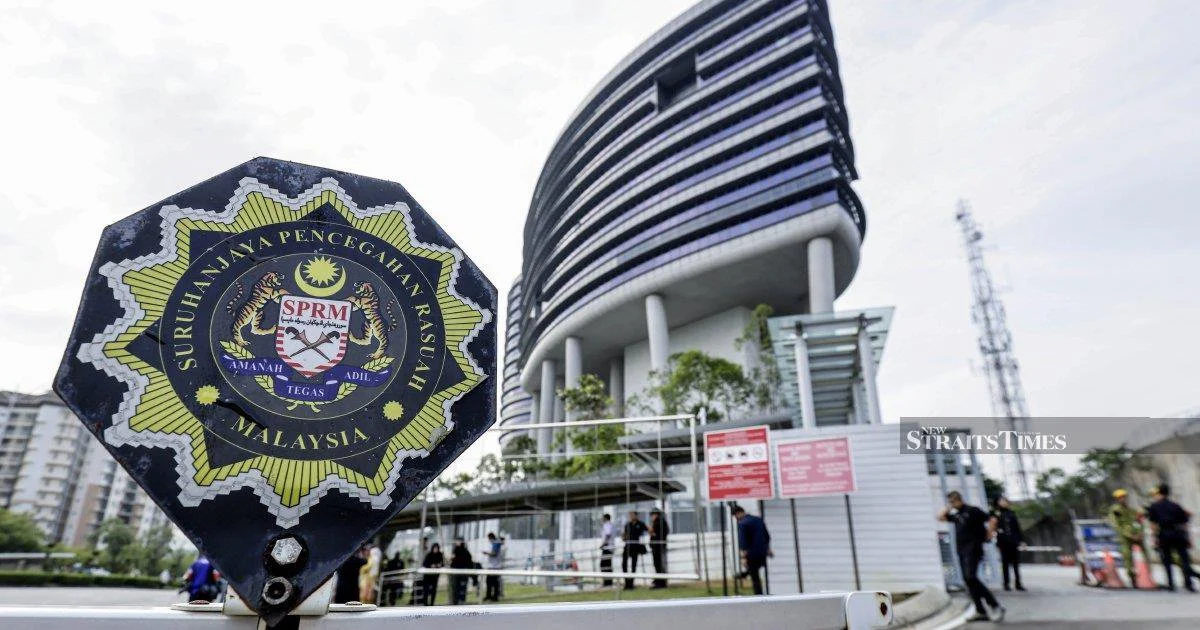
The Malaysian Anti-Corruption Commission has escalated enforcement action in a significant public corruption case, moving to charge a defendant with 158 separate offences related to the misappropriation of government money under the operation codenamed Op Sutra. The case will proceed at the Shah Alam Sessions Court, marking a major development in what appears to be a multi-layered investigation into financial impropriety within public institutions.
Op Sutra represents one of the MACC's sustained investigations into systemic corruption affecting Malaysia's public sector. The operation's scope, evidenced by the sheer number of charges being pursued against this single individual, suggests an extensive pattern of financial irregularity rather than isolated misconduct. The scale of allegations—158 counts—indicates the investigating team has documented comprehensive evidence of repeated transactions or withdrawals that authorities believe violated public finance regulations and anti-corruption statutes.
The decision to bring charges reflects the MACC's intensified commitment to pursuing high-profile corruption cases through the court system. Rather than accepting settlement or administrative remedies, prosecutors have opted for formal criminal proceedings, signalling confidence in their evidentiary foundation and a determination to secure convictions that will establish legal precedent. This approach demonstrates a shift towards more assertive prosecution of public officials and connected individuals suspected of financial malfeasance.
Misappropriation of public funds remains one of the most damaging forms of corruption from a development perspective. When government resources intended for essential services—healthcare, education, infrastructure—are diverted through fraudulent means, entire communities suffer reduced capacity to deliver basic amenities. The MACC's focus on this particular crime category reflects recognition that financial leakage from the public purse undermines Malaysia's ability to allocate resources efficiently and erodes public confidence in institutional integrity.
The Shah Alam Sessions Court venue indicates the case carries sufficient complexity or seriousness to warrant proceedings at this level. Sessions courts handle more substantial matters compared to lower magistrate courts, and the selection of this particular court suggests prosecutors anticipate extended trial proceedings and substantial sentencing exposure if conviction is secured. The court's location in Selangor's administrative centre also provides institutional capacity for managing cases involving numerous documentary evidence and multiple witnesses.
The 158 charges likely represent distinct occasions when funds were allegedly misappropriated, or separate instances where false documentation was submitted to facilitate theft of government money. This charge structure is typical in corruption cases where prosecutors prefer to document each transgression separately rather than bundling them into broader conspiracy charges. The approach creates multiple pathways to conviction and allows courts to impose cumulative sentences reflecting the severity and repetitiveness of the conduct.
For Malaysian taxpayers, this prosecution represents an attempt to recover accountability within systems they fund through taxation. Public sector corruption directly diminishes the return on government spending and creates perverse incentives throughout bureaucratic structures. When lower-ranking officials witness superiors engaging in financial misconduct without consequence, institutional culture deteriorates and ethical standards become secondary to personal gain. Prosecutions therefore serve a deterrent function beyond the immediate case.
The investigation's outcome will likely influence how MACC approaches similar cases in other government agencies. Success in securing convictions on misappropriation charges could prompt wider forensic reviews of financial transactions across other departments suspected of similar vulnerabilities. Conversely, evidentiary challenges or acquittals might indicate gaps in investigation methodology or prosecution strategy that the commission would need to address before pursuing comparable cases.
Regionally, Malaysia's anti-corruption enforcement record attracts scrutiny from international observers and peer countries. High-profile prosecutions demonstrate commitment to combating systemic corruption, while also highlighting the scope of the problem underlying such investigations. Neighbouring Southeast Asian governments monitoring MACC's performance gauge whether Malaysia's institutional framework can effectively deter and punish financial crimes at institutional level, particularly when perpetrators occupy positions of relative authority or influence.
The prosecution also reflects broader institutional evolution within the MACC itself. The commission has progressively developed specialised units dedicated to financial investigations, forensic accounting, and document analysis. These capabilities enable prosecutors to construct complex evidentiary narratives spanning numerous transactions across extended timeframes—the type of building-block approach evident in pursuing 158 separate charges.
Public attention to this case will likely intensify once court proceedings commence. Media coverage and courtroom testimony could expose institutional vulnerabilities that facilitated the alleged misconduct, prompting defensive responses from relevant government departments. Such scrutiny, while uncomfortable for agencies involved, typically accelerates implementation of financial controls and audit procedures designed to prevent future occurrence of similar patterns.
The MACC's decision to pursue formal charges represents confidence that evidence will withstand adversarial courtroom examination. Prosecutors must prove each charge beyond reasonable doubt, a demanding standard that nevertheless appears achievable given the scale of charges being brought. The coming months will reveal both the substantive strength of the case and broader lessons about public sector vulnerability to financial crime within Malaysia's governmental structures.


%22%2F%3E%3C%2Fpattern%3E%3C%2Fdefs%3E%3Crect%20width%3D%22100%25%22%20height%3D%22100%25%22%20fill%3D%22url(%23ph40buhg)%22%2F%3E%3Crect%20width%3D%22100%25%22%20height%3D%22100%25%22%20fill%3D%22url(%23ph40buhp)%22%2F%3E%3Ctext%20x%3D%2250%25%22%20y%3D%2250%25%22%20text-anchor%3D%22middle%22%20dominant-baseline%3D%22central%22%20fill%3D%22rgba(255%2C255%2C255%2C0.95)%22%20font-family%3D%22Georgia%2C%20'Times%20New%20Roman'%2C%20serif%22%20font-weight%3D%22700%22%20font-size%3D%22320%22%20letter-spacing%3D%22-0.02em%22%3EGRS%3C%2Ftext%3E%3C%2Fsvg%3E)