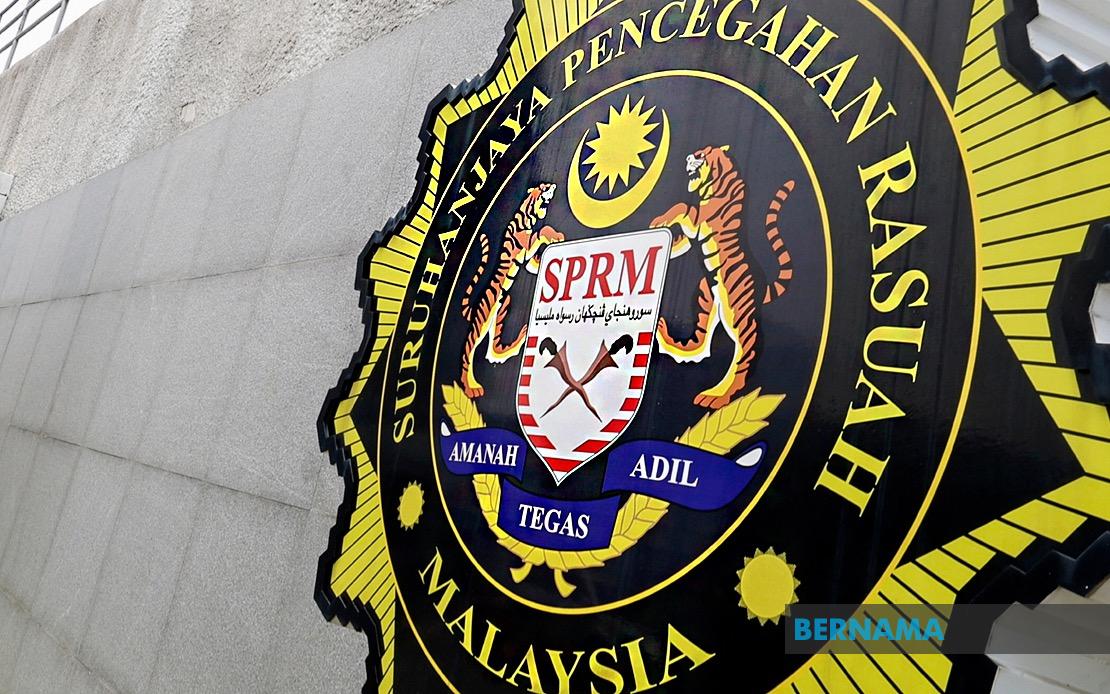
The Malaysian Anti-Corruption Commission will establish a network of five dedicated operations rooms throughout Johor to facilitate public reporting of corruption and misconduct during the forthcoming state election. The facilities will be staffed and operational around the clock, commencing from nomination day on June 27 and remaining active through to the official polling day on July 11. This coordinated approach reflects the MACC's commitment to monitoring electoral integrity during what is likely to be a closely contested campaign.
The five locations have been strategically distributed across the state to ensure accessibility for residents across different regions. The primary centre will operate from the MACC's main Johor office in Tampoi, with satellite offices established in Batu Pahat, Kluang, Segamat, and Mersing. This geographical spread permits citizens throughout both urban and rural constituencies to lodge complaints without excessive travel, addressing a longstanding challenge in election monitoring infrastructure across Malaysia.
Beyond physical locations, the MACC has established a dedicated email channel to receive allegations related to electoral misconduct. Members of the public can submit reports directly to [email protected], providing an alternative avenue for those unable to visit operations rooms in person or preferring to lodge complaints confidentially. This multi-channel approach acknowledges evolving communication preferences and removes potential barriers to participation from individuals concerned about anonymity or physical visibility.
The commission has provided assurances that all information received through these channels will undergo thorough investigation conducted with professional rigour and full transparency. The MACC pledged compliance with all relevant legal frameworks governing such inquiries, emphasising that allegations will not be dismissed casually or subjected to arbitrary treatment. This commitment addresses historical concerns among some segments of the Malaysian public regarding the investigative impartiality and follow-through of corruption agencies.
The establishment of these operations rooms carries particular significance given Malaysia's ongoing efforts to strengthen electoral oversight mechanisms. Corruption and abuse of power during election campaigns undermine the democratic process by creating unequal competition between candidates and parties, potentially skewing election results in favour of those willing to breach ethical and legal boundaries. The visible institutional response through dedicated complaint centres signals state commitment to deterring such conduct.
Candidates and political parties contesting the Johor election have been explicitly cautioned to avoid any activities contravening applicable legislation. The MACC specifically referenced the MACC Act 2009 and the Election Offences Act 1954 (Amendment 2012), highlighting the legal instruments available to prosecute violators. This notice serves both as warning and as documentation of official expectations, establishing a clear record should enforcement action become necessary later.
The timing of this announcement allows adequate notice for candidates to adjust their campaign strategies accordingly. With nomination day set for June 27, candidates have approximately two days from the MACC's announcement to align their operations with legal requirements. Political operatives managing campaigns across multiple constituencies should recognise that multiple monitoring avenues now exist and calibrate their activities with this enhanced oversight environment in mind.
The Election Commission has scheduled July 7 as early voting day, providing administrative context for the overall election timeline. This compressed window between nomination and polling—a span of merely two weeks—concentrates campaign intensity significantly. Within this brief period, the operations rooms must remain vigilant for allegations of inappropriate candidate conduct, suspicious funding patterns, or coercive tactics employed against voters or party members.
For Malaysian observers beyond Johor, this election presents a testing ground for election integrity mechanisms. The state has historically demonstrated competitive multi-party dynamics, creating scenarios where candidates feel pressured to employ questionable tactics. Whether the MACC's operations rooms successfully detect and deter violations, or whether such mechanisms remain largely symbolic, will offer insights into the maturity of Malaysia's democratic institutions. The effectiveness of these complaint channels depends equally upon public willingness to report violations and institutional follow-through in investigating and prosecuting credible allegations.
Statewide attention to this election extends beyond immediate state-level governance implications. Johor's political trajectory influences national dynamics, particularly given its substantial population and economic weight. Electoral outcomes unsullied by corruption allegations strengthen the legitimacy of resulting governments, facilitating more effective policy implementation and public acceptance. Conversely, elections marred by corruption or abuse of power corrode public confidence in electoral processes generally, generating cynicism that can persist across multiple election cycles.
The public now possesses clear information regarding how to participate in election integrity monitoring. Beyond passive observation, citizens capable of witnessing misconduct can actively support democratic processes by documenting and reporting breaches. This distributed vigilance model complements formal institutional oversight, creating multiple accountability layers. However, such systems function only when genuine reporting mechanisms exist and reporters can reasonably expect serious investigation without personal retaliation.
The coming weeks will demonstrate whether these operations rooms receive substantial complaint volumes or relatively minimal submissions. Either outcome carries analytical significance. High complaint numbers might indicate either genuine violations or public hypervigilance in response to perceived electoral risks. Low complaint volumes could suggest genuine campaign propriety or alternatively widespread voter and candidate passivity regarding electoral integrity concerns. The MACC's published investigation outcomes will ultimately provide the most meaningful assessment of this election's integrity.

