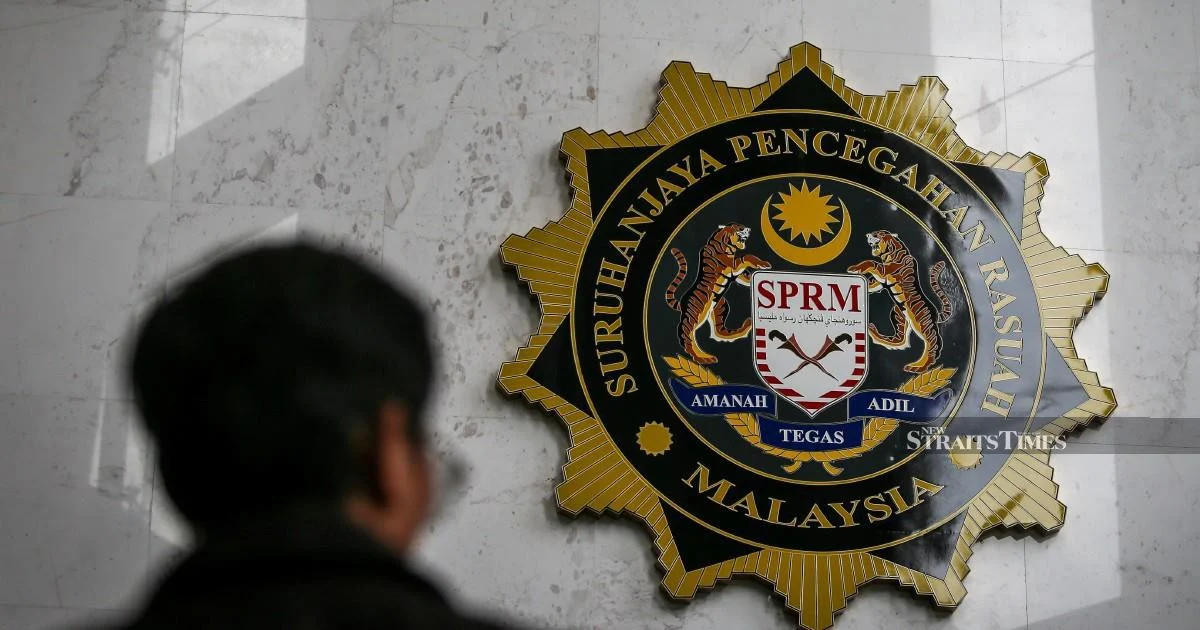
The Malaysian Anti-Corruption Commission has established a comprehensive anti-corruption framework ahead of the 16th Johor state election, setting up five dedicated operation rooms distributed across the state to tackle illicit practices during the polling campaign. This deployment represents a significant commitment to maintaining electoral integrity in one of Malaysia's most politically important states, reflecting heightened scrutiny of political conduct during electoral contests.
The establishment of these operation rooms signals MACC's determination to create accessible channels for public reporting throughout the entire election period. By maintaining 24-hour operational capacity, the commission aims to ensure that no suspicious activities escape detection, whether they occur during campaign hours or outside formal voting windows. This continuous monitoring approach acknowledges that electoral corruption often operates beyond conventional business hours, with illicit dealings frequently conducted through informal networks and after-hours negotiations.
Johor's electoral significance makes this anti-corruption drive particularly noteworthy for Malaysian politics. As the nation's second-largest state by population and a consistent powerhouse in national politics, Johor elections frequently signal broader political trends. The state has historically been a stronghold for particular political coalitions, making electoral integrity in Johor consequential for Malaysia's political trajectory. MACC's expanded presence underscores federal recognition of these stakes and the need for robust institutional safeguards.
The geographic distribution of five operation rooms across Johor indicates strategic planning to eliminate geographical barriers to reporting. Rather than concentrating resources in the state capital, MACC has positioned facilities to serve voters across urban and rural constituencies alike. This decentralised approach acknowledges that corruption manifests differently across constituencies—urban areas may witness vote-buying through monetary incentives, while rural regions might experience pressure through patronage networks and development promises. Comprehensive geographic coverage ensures no community lacks accessible reporting mechanisms.
Public reporting mechanisms function as critical accountability tools during elections, when political actors face maximum incentive to engage in corrupt practices to secure electoral advantage. When constituents know they can report suspected misconduct to accessible, trustworthy institutions, political candidates and operatives face greater deterrence. MACC's visible presence throughout Johor communicates that the commission maintains active oversight, potentially discouraging candidates and party operatives from attempting illicit activities in the first place.
The timing of MACC's deployment reflects lessons learned from previous Malaysian electoral contests. Electoral fraud and abuse of power have surfaced repeatedly in post-election investigations and civil society monitoring reports, suggesting that previous enforcement mechanisms contained gaps. By establishing this framework in advance of the 16th Johor election rather than investigating retrospectively, MACC adopts a preventive posture designed to address malpractice as it emerges rather than attempting remediation afterward. This proactive stance demonstrates institutional evolution in Malaysian electoral governance.
The definition of reportable misconduct encompasses both straightforward corruption and the broader category of abuse of power. While outright bribery and vote-buying represent flagrant violations, abuse of power often operates through subtler mechanisms—government officials using state resources for campaign purposes, civil servants facing pressure to mobilize voters for particular parties, or development projects strategically timed to benefit incumbent candidates. MACC's expanded focus on power abuse acknowledges these sophisticated forms of electoral misconduct that can prove difficult to detect and prosecute.
For Malaysian voters, particularly in Johor, MACC's operation rooms provide concrete institutional backing for electoral participation free from coercion or inducement. Citizens facing pressure from employers, community leaders, or party operatives to vote particular ways now possess formal channels through which to report such conduct. This institutional backing strengthens voters' capacity to exercise franchise independence, a foundational requirement for democratic legitimacy. When voters feel empowered to resist manipulation, electoral results more accurately reflect genuine political preferences rather than reflecting coercion or material incentives.
The regional implications of MACC's Johor initiative extend beyond that single state. Johor borders Selangor and Melaka, two other significant Malaysian states with their own electoral concerns. MACC's visible anti-corruption framework in Johor potentially influences political conduct across the broader region, as candidates operating in adjacent constituencies remain aware of heightened institutional oversight. This spillover effect can amplify the impact of concentrated anti-corruption efforts beyond their immediate geographic scope.
Sustaining public confidence in electoral processes requires demonstrable institutional action against corruption. Many Malaysians harbour scepticism about whether anti-corruption institutions possess political independence to investigate powerful figures impartially. MACC's visible resource deployment for the Johor election, while not addressing underlying questions about institutional independence, does demonstrate operational commitment to electoral oversight. Such visible action can gradually rebuild public confidence in institutional capacity to address electoral misconduct, though only if investigations lead to meaningful consequences for perpetrators.
The operational sustainability of these five rooms throughout the election period represents a logistical and budgetary commitment. MACC must staff facilities continuously, maintain investigative capacity to follow up on reports, and coordinate across multiple centres. This resource allocation implicitly signals that MACC leadership prioritizes electoral integrity as an institutional mandate worthy of substantial investment. Whether this investment translates into measurable improvements in electoral conduct will become apparent through comparative analysis of complaint patterns and enforcement outcomes in the 16th Johor election relative to previous contests.
Longer-term electoral reform in Malaysia may benefit from evaluating the 16th Johor election as a pilot programme. If MACC's operation rooms prove effective in deterring misconduct and providing accessible reporting mechanisms, this model could warrant expansion to other state elections and federal parliamentary contests. Conversely, if systemic constraints limit the rooms' effectiveness despite resource availability, Malaysian policymakers would benefit from understanding which institutional or legal barriers require reform beyond operational deployment.

