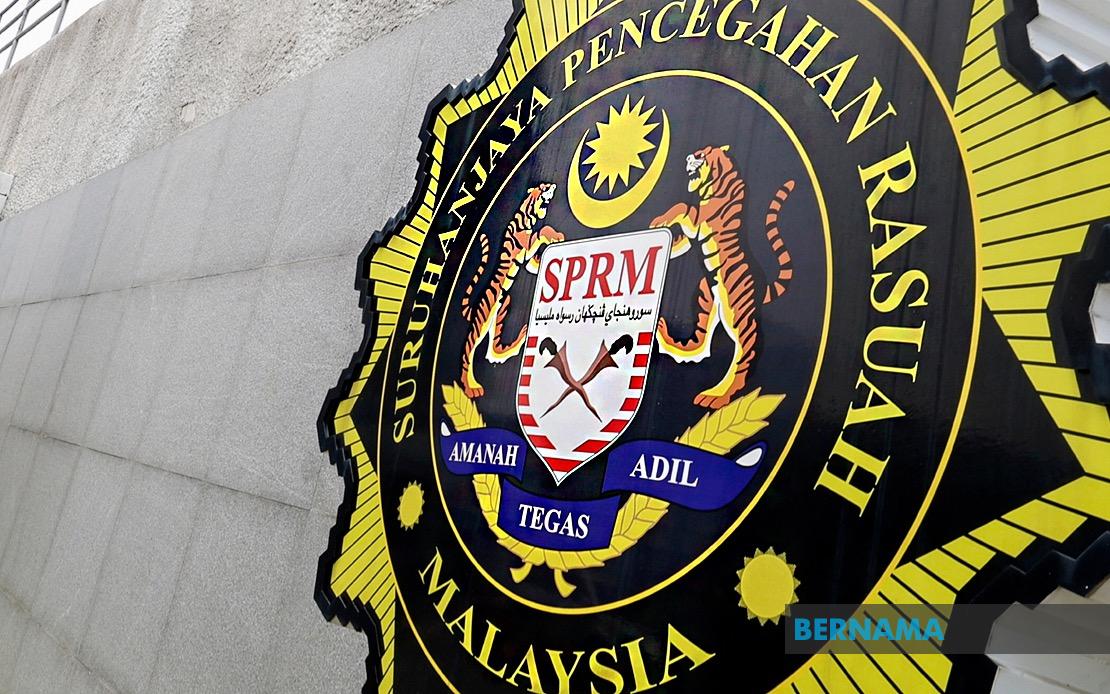
The Malaysian Anti-Corruption Commission has taken 13 suspects into custody following allegations that they solicited and accepted approximately RM2.5 million in bribes linked to a procurement scheme at a government agency in northern Malaysia. Among those detained are a serving director and a former director of the agency in question, alongside 10 other civil servants and five members of the private sector comprising company owners and businesspeople. The suspects range in age from 30 to their 60s and were brought in for questioning on Monday evening between 8 pm and 11 pm at the MACC office in Perak.
According to the MACC's Strategic Communications Division, the alleged corruption centred on a scheme to ensure that companies controlled by cartel members received lucrative government contracts awarded without competitive tender. The bribery payments were purportedly made to secure preferential treatment in direct-award contracts and quotation-based procurement arrangements, effectively allowing a cartel to monopolise business opportunities that should have been open to genuine competition. This type of procurement manipulation represents a significant drain on public resources, as it typically inflates costs and bypasses merit-based selection processes that protect taxpayer interests.
Magistrate Anis Hanini Abdullah approved differentiated remand periods for the detainees at Ipoh Magistrate's Court. Three suspects—comprising two civil servants and one company director—face a two-day detention order, while the remaining 10 are held for five days until June 20. This judicial decision reflects the MACC's assessment of differing levels of culpability or the strength of evidence against individual detainees, a common approach in complex multi-suspect corruption cases where roles and involvement vary considerably.
Preliminary investigation findings indicate that the alleged conspiracy unfolded across a two-year period spanning 2024 to 2026. This relatively recent timeframe suggests the scheme was either recently discovered or represents an ongoing operation that authorities interrupted before it could expand further. The fact that such manipulation could persist even in a relatively short window highlights potential gaps in oversight mechanisms within government procurement systems, particularly at the agency level where day-to-day monitoring may be insufficient.
Investigations have revealed a structured payment mechanism within the cartel. Contractors involved in the scheme claim they were required to pay bribes ranging from 10 to 15 per cent of contract values to intermediaries, who would subsequently channel these payments to the serving and former agency directors. This percentage-based arrangement suggests a carefully orchestrated operation rather than ad hoc corruption, with established rates and procedures—hallmarks of systematic organised graft that likely involved multiple transactions and careful record-keeping among participants.
The MACC launched Operation Drain on Monday across four states—Kuala Lumpur, Selangor, Pahang and Perak—designed to dismantle the procurement cartel entirely. The operation's scale reflected the seriousness with which authorities treated the scheme, with simultaneous raids conducted at 25 locations encompassing private residences, corporate offices, and government buildings. This coordinated approach aimed to prevent suspects from destroying evidence or coordinating their stories following detention.
Assets seized during Operation Drain paint a picture of significant illicit enrichment. Law enforcement recovered approximately RM1.5 million in cash from various locations, along with luxury goods including a high-end timepiece, two vehicles, a powerful motorcycle, and jewellery valued at roughly RM1 million. These seizures suggest that bribery proceeds were being converted into personal assets and luxury items rather than reinvested into legitimate business operations, a pattern typical of corruption cases where perpetrators seek to enjoy ill-gotten gains immediately.
The investigation proceeds under Section 17(a) of the MACC Act 2009, which addresses solicitation and acceptance of gratification by public officers in connection with their official duties. This statutory framework provides the legal foundation for pursuing charges that carry substantial penalties, underscoring the seriousness of the allegations. Section 17(a) cases form the backbone of MACC's enforcement efforts against officials who abuse their positions for personal benefit.
For Malaysian businesses operating in the government contracting space, this case underscores both the risks of participating in cartel arrangements and the genuine consequences now facing those engaged in systematic procurement manipulation. The MACC's Operation Drain demonstrates the anti-corruption agency's increasing capacity to identify and dismantle complex schemes, suggesting that would-be participants in corrupt arrangements face escalating detection risks. The multi-state, coordinated nature of the operation reflects institutional improvements in MACC's investigative capabilities and inter-agency coordination.
The implications extend beyond the immediate suspects facing remand. The case highlights endemic vulnerabilities in government procurement systems where single officials or small groups can exercise decisive influence over contract awards. Addressing such vulnerabilities requires not merely prosecuting individual perpetrators but fundamentally restructuring procurement processes with greater transparency, competitive tendering requirements, and cross-checking mechanisms that prevent individual gatekeepers from controlling outcomes. For a government agency in northern Malaysia, the exposure of such a scheme may precipitate comprehensive internal audits and procedural reforms designed to prevent recurrence.
This detention represents a significant development in Malaysia's ongoing anti-corruption efforts, signalling that high-ranking government officials remain subject to investigation and prosecution regardless of their institutional position. The MACC's willingness to detain both serving and former directors of a government agency demonstrates that accountability operates across career stages and reflects no special protection for those with recent or ongoing government connections. Such cases serve as both deterrent and accountability mechanism, reinforcing public expectations that corruption will be pursued systematically rather than selectively.
The procurement cartel scheme described in this case exemplifies a particular vulnerability in government systems across Southeast Asia—the capacity of officials and private actors to collude in ways that inflate costs, exclude legitimate competitors, and undermine the efficiency of public spending. For Malaysian policymakers and administrators, the case provides concrete evidence of specific mechanisms through which systematic corruption operates, information that can inform targeted preventative measures in other agencies and procurement contexts. The RM2.5 million figure represents substantial public resources diverted from legitimate purposes, resources that might otherwise have funded expanded service delivery or improved infrastructure within the affected agency's operational scope.

%22%2F%3E%3C%2Fpattern%3E%3C%2Fdefs%3E%3Crect%20width%3D%22100%25%22%20height%3D%22100%25%22%20fill%3D%22url(%23ph40buhg)%22%2F%3E%3Crect%20width%3D%22100%25%22%20height%3D%22100%25%22%20fill%3D%22url(%23ph40buhp)%22%2F%3E%3Ctext%20x%3D%2250%25%22%20y%3D%2250%25%22%20text-anchor%3D%22middle%22%20dominant-baseline%3D%22central%22%20fill%3D%22rgba(255%2C255%2C255%2C0.95)%22%20font-family%3D%22Georgia%2C%20'Times%20New%20Roman'%2C%20serif%22%20font-weight%3D%22700%22%20font-size%3D%22320%22%20letter-spacing%3D%22-0.02em%22%3EGRS%3C%2Ftext%3E%3C%2Fsvg%3E)