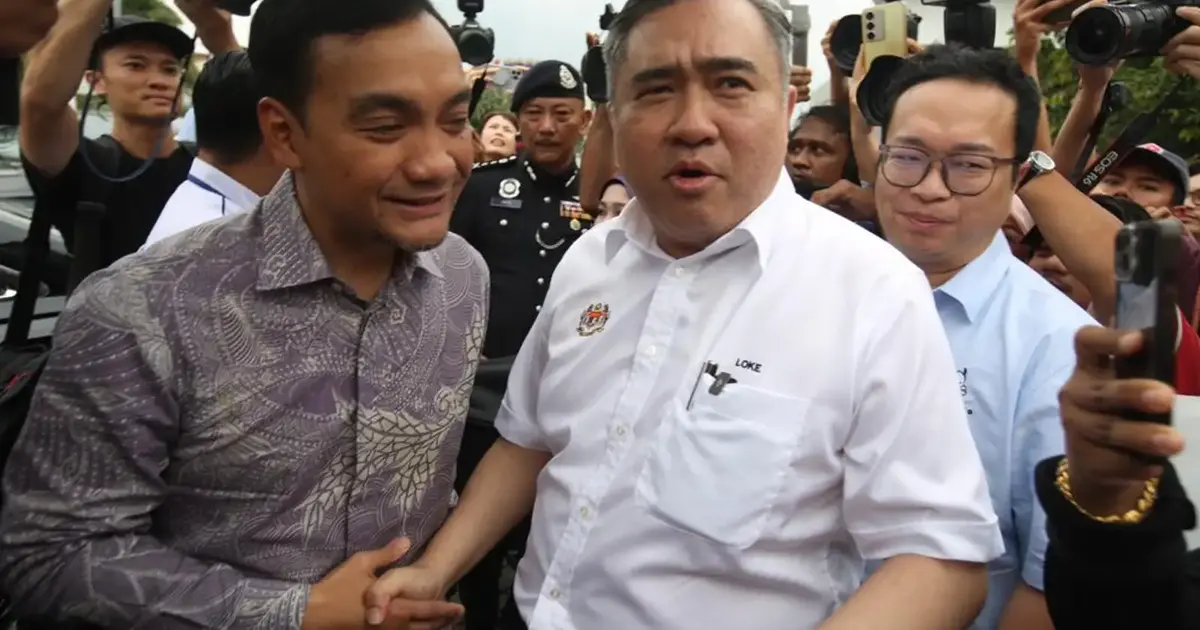
Transport Minister Anthony Loke and Johor Menteri Besar Onn Hafiz Md Salleh came together at a ministry event this week, marking their first face-to-face meeting since engaging in a publicised online disagreement that had drawn scrutiny from political observers and commentators across Malaysia. The encounter demonstrated that both leaders remain committed to maintaining professional decorum in their public interactions, even as tensions simmered beneath the surface of their cordial exchanges.
The gathering took on added significance given the backdrop of their recent digital sparring, which had highlighted growing fault lines in the relationship between the federal transport ministry and the Johor state administration. Such public clashes between senior federal and state-level officials are relatively rare in Malaysian politics, making their reconciliation—however superficial—noteworthy for what it suggests about the current state of inter-governmental coordination during a period of coalition adjustments across the country.
Onn Hafiz chose not to let the occasion pass without a subtle reminder of the tensions underlying their interaction. During his remarks at the transport ministry event, the Johor leader delivered what observers characterised as a pointed comment directed at the DAP politician, referencing his need to hastily reorganise his official schedule following the short-notice invitation extended to the programme. This subtle criticism served multiple purposes—it reasserted his presence and importance while gently reminding Loke that coordinating with state administrations requires more advanced planning and consideration.
The calculated nature of Onn Hafiz's remark underscores a recurring challenge in Malaysia's federal system, where transport and infrastructure initiatives frequently require seamless cooperation between federal agencies and state governments. When coordination breaks down or appears insufficient, it reverberates across development timelines and project implementation. The Johor MB's emphasis on his rearranged schedule subtly highlighted this operational tension without crossing into outright confrontation.
The online disagreement that preceded this meeting had touched on matters relevant to both leaders' jurisdictions and constituencies. Such exchanges in the digital sphere have become increasingly significant in Malaysian politics, where social media serves as a barometer of elite attitudes and policy disagreements. Public figures often test their messaging and gauge reaction intensity through these platforms before deciding whether to escalate or de-escalate disputes through more formal channels.
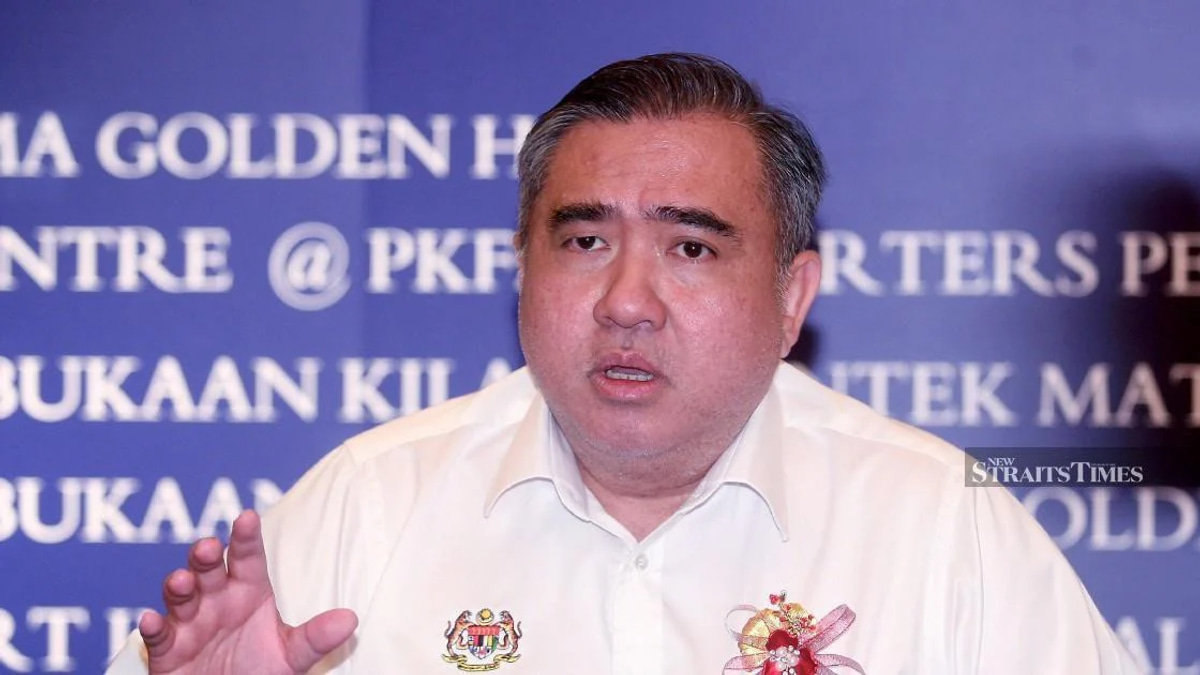
Loke, as the federal transport portfolio holder, has responsibility for overseeing major infrastructure projects, railway development, and port operations that extensively impact Johor, Malaysia's second-largest state and a critical economic zone. The state's strategic importance in logistics and maritime sectors means that transport ministry decisions carry substantial implications for local development priorities and state revenue generation. This practical interdependence creates pressure for both leaders to maintain working relationships despite periodic disagreements.
Onn Hafiz represents the Barisan Nasional-dominated Johor state government, which has generally maintained stronger alignment with federal coalition structures than some other state administrations. Nevertheless, competition for credit, resources, and policy influence between federal and state actors remains a persistent feature of Malaysian governance. The Johor MB's subtle jab at Loke reflected this underlying competition while stopping short of threatening the broader working relationship.
The timing of their meeting carries implications beyond the immediate transport sector. Malaysia's political landscape continues experiencing shifts in coalition dynamics, with various federal and state governments experimenting with different partnership configurations. Johor's position as a major economic contributor and strategically located state means that its relationship with the federal government receives close attention from other state administrations and political actors seeking to interpret patterns in inter-governmental relations.
Observers noted that both leaders' decision to proceed with the engagement despite their recent public disagreement suggests pragmatism and an understanding that political disputes, particularly at this level, serve purposes beyond personal animosity. The veneer of civility they maintained likely satisfied the expectations of both their respective constituencies—Loke's DAP supporters and Onn Hafiz's BN base—while the subtle jab allowed the Johor leader to signal that his state administration would not be steamrolled by federal actors.
Moving forward, the question remains whether this cordial-yet-tense encounter represents a genuine de-escalation of their disagreement or a temporary ceasefire preceding further clashes. The transport sector, particularly given Johor's significance in Malaysia's economic corridors and infrastructure networks, will likely continue serving as a flashpoint for federal-state tensions. How Loke and Onn Hafiz navigate future interactions and coordinate on pressing infrastructure matters will offer important insights into the broader health of Malaysia's federal governance during an evolving political era.
The episode also reminds observers that Malaysian political relationships operate on multiple levels simultaneously—public statements carry meanings beyond their surface content, and ceremonial civility masks substantive disagreements about resource allocation and policy direction. Both leaders understand these unwritten rules and deployed them deftly during their encounter, balancing the need to cooperate on practical matters with the political imperative to maintain their respective bases' confidence.

%22%2F%3E%3C%2Fpattern%3E%3C%2Fdefs%3E%3Crect%20width%3D%22100%25%22%20height%3D%22100%25%22%20fill%3D%22url(%23ph40buhg)%22%2F%3E%3Crect%20width%3D%22100%25%22%20height%3D%22100%25%22%20fill%3D%22url(%23ph40buhp)%22%2F%3E%3Ctext%20x%3D%2250%25%22%20y%3D%2250%25%22%20text-anchor%3D%22middle%22%20dominant-baseline%3D%22central%22%20fill%3D%22rgba(255%2C255%2C255%2C0.95)%22%20font-family%3D%22Georgia%2C%20'Times%20New%20Roman'%2C%20serif%22%20font-weight%3D%22700%22%20font-size%3D%22320%22%20letter-spacing%3D%22-0.02em%22%3EGRS%3C%2Ftext%3E%3C%2Fsvg%3E)