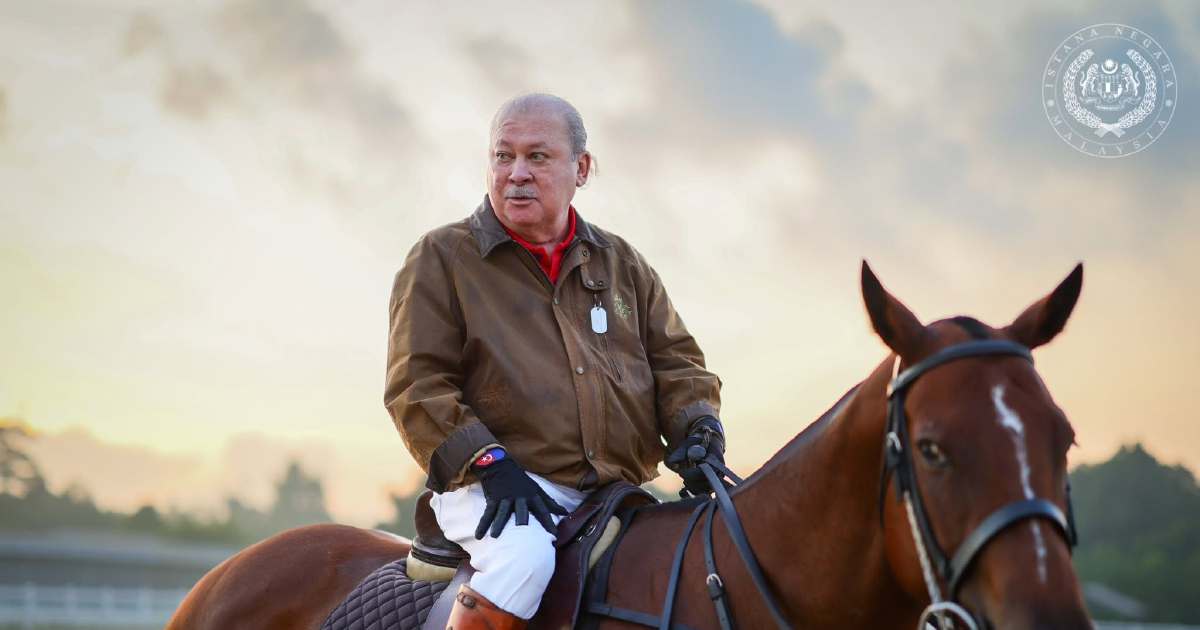
His Majesty Sultan Ibrahim, King of Malaysia, sustained his longstanding morning fitness routine by riding at the Royal Johor Polo Club located at Istana Pasir Pelangi in Johor Baru today, demonstrating a composed and unhurried pace throughout the session.
The King's commitment to regular equestrian exercise underscores the royal household's emphasis on maintaining physical wellness as part of the monarch's daily schedule. This consistent routine reflects contemporary expectations for public figures to demonstrate active engagement in fitness pursuits, particularly at a time when health awareness has become increasingly prominent across the nation.
The Royal Johor Polo Club, situated within the Istana Pasir Pelangi grounds, has long served as a venue for equestrian activities linked to the state's royal family. The facility represents part of Johor's substantial sporting infrastructure and maintains historical significance within the state's royal establishments. Horse riding at such institutions carries both practical and ceremonial importance within Malaysian royal tradition.
Sultan Ibrahim's continued participation in morning riding sessions indicates the palace's normalcy despite the various demands that come with the constitutional monarchy's responsibilities. The relaxed manner of today's session suggests an approach that balances fitness objectives with the deliberate, measured conduct expected of the reigning monarch during public-facing activities.
Regular physical exercise among senior officials, including the King, carries symbolic weight beyond personal health benefits. Such visible commitment to fitness routines contributes to broader national conversations about wellbeing and sets an example that resonates across Malaysian society, particularly among those who view the monarchy as a reference point for national values.
Johor's status as the home state of the current Sultan reinforces the significance of activities conducted within its royal establishments. The state has long held particular importance within Malaysia's constitutional framework, given the historical role Johor's rulers have played in the federation's governance structure. Regular royal activities within the state maintain that connection and underscore Johor's continued prominence in national affairs.
The choice of early morning for these riding sessions aligns with traditional practices favored by many Malaysian horse enthusiasts, who prefer conducting equestrian activities during cooler parts of the day. This timing reflects both practical considerations regarding the tropical climate and established customs within Malaysia's equestrian community.
The maintenance of such personal routines by the King speaks to the consistency expected within royal life. Despite the substantial administrative and ceremonial burdens of the position, Sultan Ibrahim's adherence to his established schedule demonstrates the structured approach that characterizes the modern Malaysian monarchy. The continuation of these activities during his tenure reflects a deliberate choice to preserve personal wellness practices while fulfilling state obligations.
Observations of the King's routine activities, shared through official channels, serve an important function in maintaining public connection to the monarchy. Such glimpses into the daily life of senior royals help sustain the accessibility and relevance of the institution within contemporary Malaysian society, where transparency and connection between public figures and citizens increasingly matter.
Equestrian traditions remain culturally significant within Malaysia's royal heritage, with polo and horse riding representing longstanding practices connected to royal circles. The continuation of these activities by Sultan Ibrahim affirms the perpetuation of such customs within the modern monarchy, maintaining links to Malaysia's historical traditions while adapting them to contemporary contexts.
The visible commitment to regular exercise by Malaysia's Head of State potentially carries broader implications for health messaging within the nation. Public figures, particularly those at the highest constitutional levels, exert considerable influence over social attitudes toward fitness and wellbeing. The King's sustained engagement with equestrian activities thus contributes to an overall cultural conversation about maintaining active lifestyles, relevant to a society increasingly concerned with health outcomes and preventive wellness.
%22%2F%3E%3C%2Fpattern%3E%3C%2Fdefs%3E%3Crect%20width%3D%22100%25%22%20height%3D%22100%25%22%20fill%3D%22url(%23ph40buhg)%22%2F%3E%3Crect%20width%3D%22100%25%22%20height%3D%22100%25%22%20fill%3D%22url(%23ph40buhp)%22%2F%3E%3Ctext%20x%3D%2250%25%22%20y%3D%2250%25%22%20text-anchor%3D%22middle%22%20dominant-baseline%3D%22central%22%20fill%3D%22rgba(255%2C255%2C255%2C0.95)%22%20font-family%3D%22Georgia%2C%20'Times%20New%20Roman'%2C%20serif%22%20font-weight%3D%22700%22%20font-size%3D%22320%22%20letter-spacing%3D%22-0.02em%22%3EGRS%3C%2Ftext%3E%3C%2Fsvg%3E)