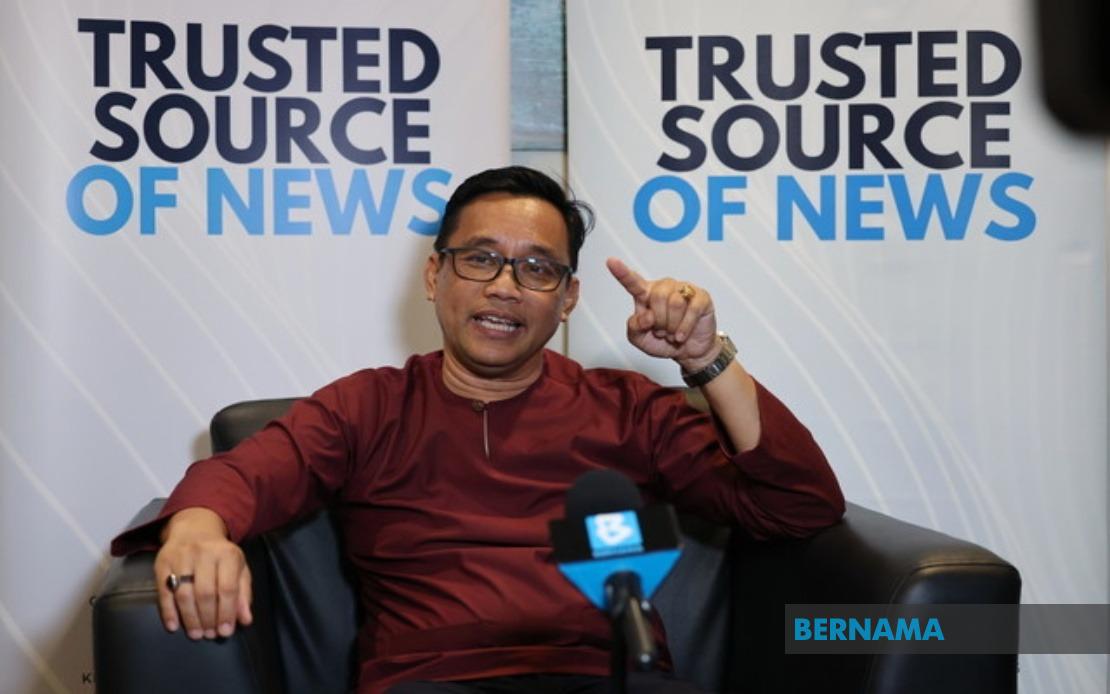
Pakatan Harapan candidate Mohd Khuzzan Abu Bakar is mounting a comeback in the Semerah constituency for the 16th Johor state election, positioning his campaign around completing development initiatives stalled when PH relinquished control of the state administration in 2020. Rather than framing his return as a redemptive effort following his previous electoral defeat, Khuzzan emphasizes continuity of an unfinished development agenda that has languished for four years under different state leadership.
The 58-year-old former chairman of the Johor Youth, Sports, Culture and Heritage Committee has outlined an ambitious restoration programme anchored on critical infrastructure. Among his primary commitments stands the revival of the Taman Sri Sulong Youth Mini Complex, alongside tackling persistent water supply deficiencies affecting residents of Semerah itself and combating the flash flooding that periodically inundates areas of Batu Pahat and Tanjung Laboh. These infrastructure concerns reflect practical grievances that have accumulated during the intervening years, suggesting that local development expectations have been deferred rather than eliminated.
Khuzzan's personal connection to the constituency forms a deliberate part of his electoral narrative. Born on Jalan Mesjid in Batu Pahat and married to a woman from Semerah, he constructs his candidacy around familial ties and community obligation. This biographical grounding appears designed to counter perceptions that he is a returning politician seeking to recoup lost status, instead presenting himself as someone with genuine stakes in the constituency's welfare and development trajectory.
Economic development, particularly job creation for younger residents, occupies a prominent place in his platform. Khuzzan frames youth employment within the context of Johor's evolving economic structure, where investment and technology sectors are driving growth. This positioning aligns local development goals with state-level economic ambitions, suggesting that addressing youth unemployment in Semerah represents part of a broader regional competitiveness strategy rather than isolated constituency-level concern.
His proposed approach to small and medium enterprise support reveals a pragmatic understanding of entrepreneurial challenges. Drawing on banking sector experience, Khuzzan advocates for pairing traditional funding mechanisms—TEKUN Nasional and Amanah Ikhtiar Malaysia (AIM)—with structured financial management training. This two-pronged approach acknowledges that capital access alone proves insufficient without accompanying expertise in business finance, addressing a common constraint facing SME operators across Malaysia.
Khuzzan's campaign strategy explicitly embraces digital platforms as essential electoral tools, a recognition of transformed voter engagement patterns. His observation that senior citizens unexpectedly constitute a significant proportion of his social media following signals that digital campaigning has transcended age demographic boundaries. The deployment of TikTok, Instagram, and Threads for policy communication and community activity showcasing represents a substantial departure from traditional electoral approaches, reflecting broader shifts in information consumption patterns even among older voters.
Youth-directed campaign activities leverage competitive gaming, sepak takraw, and traditional games alongside exposure to artificial intelligence and digital technology concepts. This multi-layered engagement strategy attempts to position PH as simultaneously custodian of cultural continuity and harbinger of technological opportunity. The emphasis on preparing younger voters for AI-driven economic futures acknowledges that electoral legitimacy increasingly depends on demonstrating tangible concern for emerging workforce demands.
The electoral context for Semerah reflects broader transformations within Johor's political landscape. The 47,431 registered voters include a substantial youth component, with 17,751 voters—approximately 37.4 percent—falling between ages 18 and 39. This demographic composition means that candidate platforms addressing youth unemployment, digital skills, and technological integration carry material electoral weight. The candidate's explicit courting of this demographic through targeted activities suggests recognition that Semerah's electoral outcome depends substantially on mobilizing younger voters whose priorities diverge from traditional governance concerns.
Feedback from economically vulnerable populations, particularly those receiving e-Kasih assistance and classified within the B40 income category, has reportedly strengthened PH confidence regarding prospects in Semerah. This grassroots reception suggests potential receptiveness to messaging around development completion and economic opportunity creation, though the 2022 election result—where BN-UMNO's Mohd Fared Mohd Khalid secured victory with a majority of 4,041 votes—indicates that PH faces a competitive environment rather than assured advantage.
Khuzzan distinguishes the upcoming July 2024 election from the 2022 Johor polls through reference to distinct political and economic circumstances. The prior election occurred during pandemic recovery periods characterized by heightened economic uncertainty and voter anxiety regarding fiscal resilience. By contrast, current conditions potentially provide different parameters for evaluating incumbent performance, though incumbent government achievements and voter satisfaction represent unmeasured factors in his analysis.
The anticipated participation of Johoreans working in Singapore constitutes an additional electoral variable that Khuzzan acknowledges. Cross-border commuters represent a distinct voter cohort whose experience of governance quality extends beyond Johor boundaries, potentially enriching comparative perspectives on administrative competence. Early voting provisions on July 7 preceding the July 11 general poll date provide mechanisms for geographic mobility accommodation, though overall turnout among this constituency remains uncertain.
Within the broader context of 172 candidates contesting 56 seats across Johor, individual constituency outcomes will collectively determine state-level governance. Semerah's election thus possesses importance extending beyond local development concerns, functioning as one component within a statewide electoral calculation that will determine whether PH can recapture state administration or whether BN-UMNO consolidates continued control. Khuzzan's development-focused platform and digital-savvy campaigning approach provides one representative example of how candidates across the state are attempting to construct electorally competitive positions within contemporary Malaysian political conditions.

