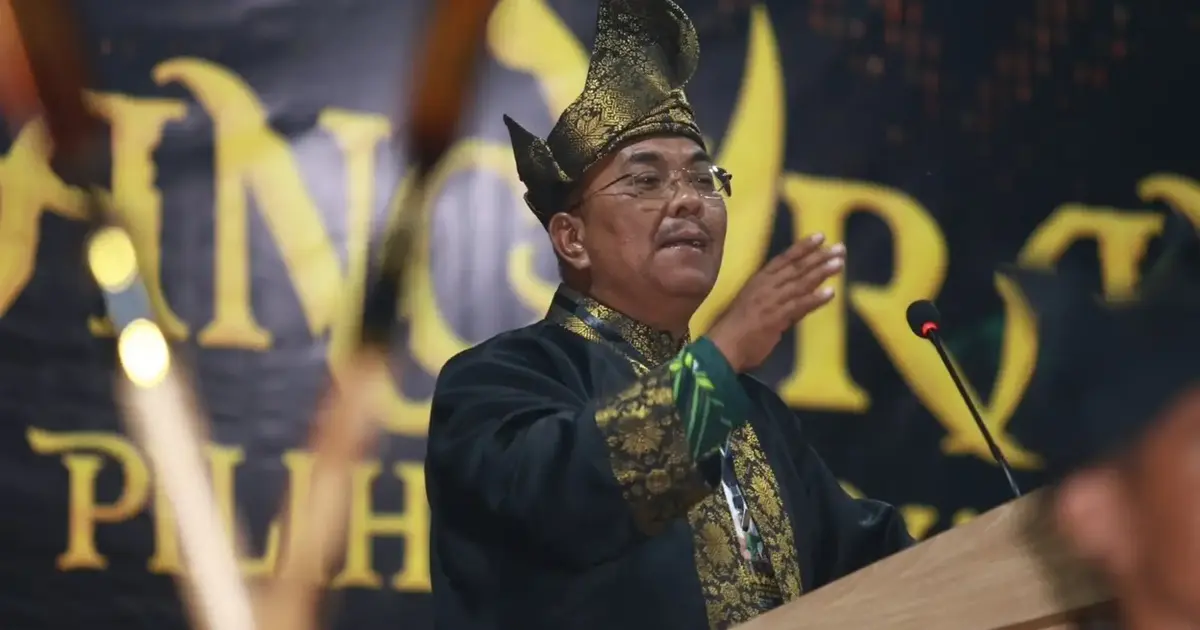
The opposition alliance in Kedah is pushing back against expectations that Datuk Seri Muhammad Sanusi Md Nor will achieve another comprehensive election victory when the state heads to the polls, with senior Pakatan Harapan figures casting doubt on the resilience of the PAS-PN political momentum that carried the day in 2022. The skepticism from within the ruling coalition's critics reflects a broader strategic calculation as Kedah, one of the country's most politically volatile states, prepares for what could prove a consequential contest in the coming months.
PKR's Wong Bau Ek, representing one of the key components of the Pakatan Harapan coalition, has argued that electoral outcomes ultimately depend on how administrations translate their mandates into tangible improvements in voters' daily lives. Wong's position reflects a long-standing principle within opposition politics that governance record, rather than mere political messaging or incumbency advantages, should determine electoral fortunes. This assessment carries particular weight in Kedah, where the swing between competing political blocs has been pronounced in recent electoral cycles, suggesting that voter allegiance remains genuinely contested rather than cemented.
DAP's Teh Swee Leong has added another dimension to the opposition's critique by specifically questioning whether the purported wave of support for the PAS-PN coalition possesses the depth and breadth that some political observers have attributed to it. Teh's intervention suggests that beneath headline polling numbers or assumptions about incumbent strength, fissures may exist in the coalition's electoral architecture that could be exploited. The DAP representation in this debate underscores how Pakatan Harapan, despite its internal differences, maintains a coordinated counter-narrative to government claims of overwhelming electoral strength.
The timing of these statements acquires significance when viewed against Kedah's recent political history. The state has become a barometer for Peninsular Malaysian politics, with its 2022 state election marking a dramatic reversal from the 2018 landslide that had propelled Pakatan Harapan to power. That reversal saw PAS and PN capture substantial ground, with Sanusi emerging as a prominent figure within the Perikatan Nasional camp. However, the passage of two years since that triumph creates conditions for reassessment—voters who had embraced change in 2022 may now evaluate whether that change has delivered promised benefits.
Opposition strategists appear to be banking on the notion that initial political excitement invariably gives way to more sober evaluation once a government begins implementing policy. In Malaysian electoral contexts, this phenomenon has proven particularly pronounced in state elections, where voters possess clearer lines of sight to the relationship between their votes and immediate governance outcomes. The absence of the federal buffer that sometimes insulates national governments from local grievances means state administrations face more direct accountability for economic performance, service delivery, and social cohesion.
The opposition's framing also addresses what might be termed the efficiency factor in Malaysian politics. Even where a ruling coalition commands parliamentary or state assembly majorities, the conversion of that strength into successive electoral victories encounters headwinds as voters develop expectations. Sanusi's administration, regardless of its accomplishments, must navigate the reality that delivering tangible improvements in infrastructure, healthcare, education, and economic opportunity across an entire state population presents formidable challenges. Any perceived shortfalls or unmet promises create openings for revival of opposition fortunes.
Teh's specific criticism of the supposed strength of the PAS-PN wave suggests the opposition has identified potential vulnerabilities within the current ruling coalition itself. Coalition governments frequently mask internal tensions that become apparent during election campaigns or governance crises. If DAP and PKR believe such fractures exist within PAS-PN's Kedah apparatus, early highlighting of these divisions through public statements could plant seeds of doubt among voters about the sustainability and coherence of the current administration.
The geographic and demographic composition of Kedah's constituencies also factors into the opposition's confidence. The state encompasses urban centers, agricultural regions, and constituencies with significant Bumiputera-majority populations, creating a diverse voter base with varied priorities. While PAS performed notably well among rural and Bumiputera constituencies in 2022, urban and middle-income areas offered more mixed results. Opposition strategists likely envision opportunities to reconsolidate support among voters who may have strayed from Pakatan Harapan but remain open to alternatives.
Furthermore, the broader national political environment has shifted since 2022. Changes in federal government composition, evolving alliances at the national level, and emerging policy debates influence how voters in states like Kedah assess their choices. If the federal political landscape generates narratives unfavorable to PAS-PN's allies or Sanusi's positioning, such currents could produce downstream effects at the state level, potentially undermining assumptions about the durability of current electoral advantages.
The opposition's public expressions of confidence that clean sweep predictions represent unrealistic expectations also serve important psychological functions within their own coalition. By vigorously contesting claims of the ruling coalition's invincibility, Pakatan Harapan representatives maintain activist enthusiasm and signal to wavering supporters that genuine competition remains possible. In Malaysian electoral contexts, voter perception of viability significantly influences turnout and support mobilization, making such rhetorical positioning more consequential than mere posturing.
What remains clear is that despite Sanusi's evident popularity and the 2022 mandate that elevated him to the mentri besar position, the opposition perceives substantive grounds for challenging projections of another emphatic victory. Whether those grounds translate into electoral gains will depend on how effectively both coalitions translate their competing narratives into concrete campaign strategies, party organization, and resonance with Kedah voters' evolving priorities and concerns.

%22%2F%3E%3C%2Fpattern%3E%3C%2Fdefs%3E%3Crect%20width%3D%22100%25%22%20height%3D%22100%25%22%20fill%3D%22url(%23ph40buhg)%22%2F%3E%3Crect%20width%3D%22100%25%22%20height%3D%22100%25%22%20fill%3D%22url(%23ph40buhp)%22%2F%3E%3Ctext%20x%3D%2250%25%22%20y%3D%2250%25%22%20text-anchor%3D%22middle%22%20dominant-baseline%3D%22central%22%20fill%3D%22rgba(255%2C255%2C255%2C0.95)%22%20font-family%3D%22Georgia%2C%20'Times%20New%20Roman'%2C%20serif%22%20font-weight%3D%22700%22%20font-size%3D%22320%22%20letter-spacing%3D%22-0.02em%22%3EGRS%3C%2Ftext%3E%3C%2Fsvg%3E)